Skip Keychain Gadgets: Sound Maskers Make the Best 2026 Tech Gifts
Skip generic keychain gadgets this year. Discover the best portable sound maskers and white noise machines to gift tech enthusiasts in 2026.
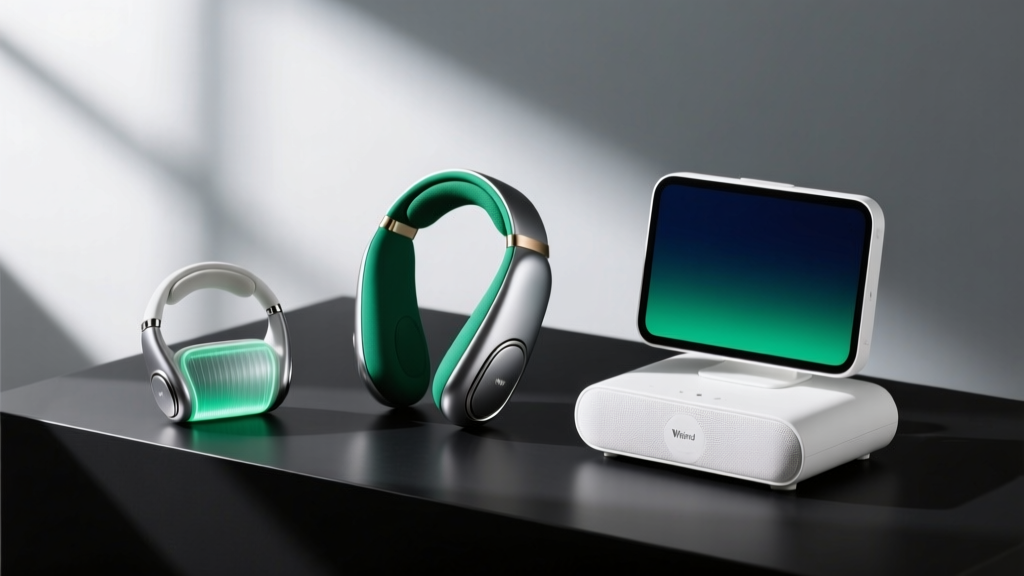
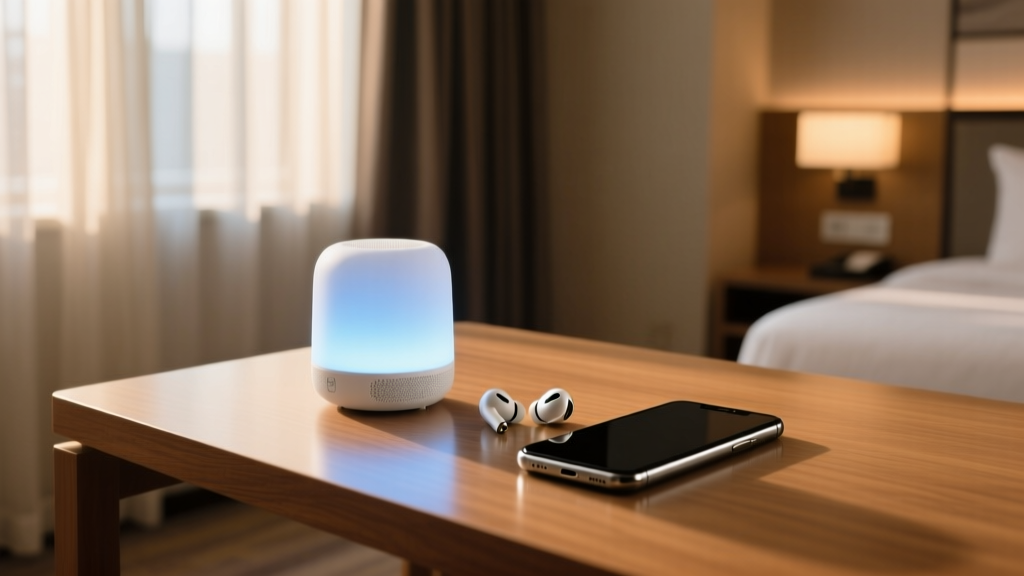
When it comes to shopping for the tech enthusiast in your life, the default instinct is often to browse the latest EDC (everyday carry) accessories. We have all been there: scrolling through endless lists of titanium multi-tools, tracking tags, and novelty keychain gadgets that promise to revolutionize daily life but ultimately end up in a junk drawer. While a miniature plasma lighter or a tungsten steel pry bar might offer a fleeting dopamine hit of unboxing joy, they rarely solve a genuine, day-to-day problem for the modern techie.
In 2026, the most impactful gifts are those that actively improve cognitive performance, sleep hygiene, and environmental control. This is where portable sound masking devices and travel-friendly white noise machines enter the chat. Far from the bulky, plug-in fan-replacements of the past decade, today's acoustic masking gadgets are marvels of miniaturized audio engineering. Here is why you should skip the basic keychain gadgets this holiday season and give the gift of engineered silence instead.
The Trap of the Generic Keychain Gadget
The market for tech accessories is saturated with micro-gadgets. A quick search for "keychain gadgets" yields thousands of results, from USB-C multi-cables to laser measures. The fundamental flaw with these items is their lack of sustained utility. A keychain flashlight is useless when a smartphone is already in hand; a miniature screwdriver set is only needed once every six months.
Tech enthusiasts appreciate high-utility, high-impact tools. Environmental noise pollution—whether it is the low-frequency hum of an airplane cabin, the unpredictable chatter of an open-plan office, or the street noise outside a hotel window—causes measurable cognitive fatigue. According to research published by the National Institutes of Health (NIH), continuous background noise significantly increases sleep latency and disrupts REM cycles. A portable sound masker doesn't just sit on a keychain; it actively reclaims the user's acoustic environment, making it an infinitely more thoughtful and practical gift.
The Acoustic Science: White, Pink, and Brown Noise
To buy a great sound masker, you must understand the acoustic spectrum. Cheap gadgets simply loop a low-bitrate MP3 of static. Premium 2026 devices utilize algorithmic generation or high-fidelity FLAC files to produce specific "colors" of noise, each serving a distinct neurological purpose:
- White Noise: Equal energy across all audible frequencies (20 Hz to 20,000 Hz). It sounds like TV static and is excellent for masking sharp, sudden sounds like a door slamming or a dog barking.
- Pink Noise: Energy decreases as frequency increases, resulting in a deeper, more natural sound akin to steady rainfall or wind through trees. Studies cited by the Acoustical Society of America suggest pink noise can actually enhance slow-wave brain activity, improving memory consolidation during sleep.
- Brown (or Brownian) Noise: Even deeper than pink noise, heavily weighted toward low frequencies. It mimics the roar of a distant waterfall or heavy thunder. It is highly effective at masking the low-frequency drone of HVAC systems and airplane engines.
"The human brain is not distracted by noise itself, but by the change in noise. A high-quality sound masker works by raising the acoustic threshold of the room, rendering sudden auditory spikes imperceptible."
2026 Gift Guide: Top Portable Sound Maskers
If you are ready to upgrade your gifting strategy, these three devices represent the pinnacle of portable acoustic masking for the traveling techie, the remote worker, and the biohacker.
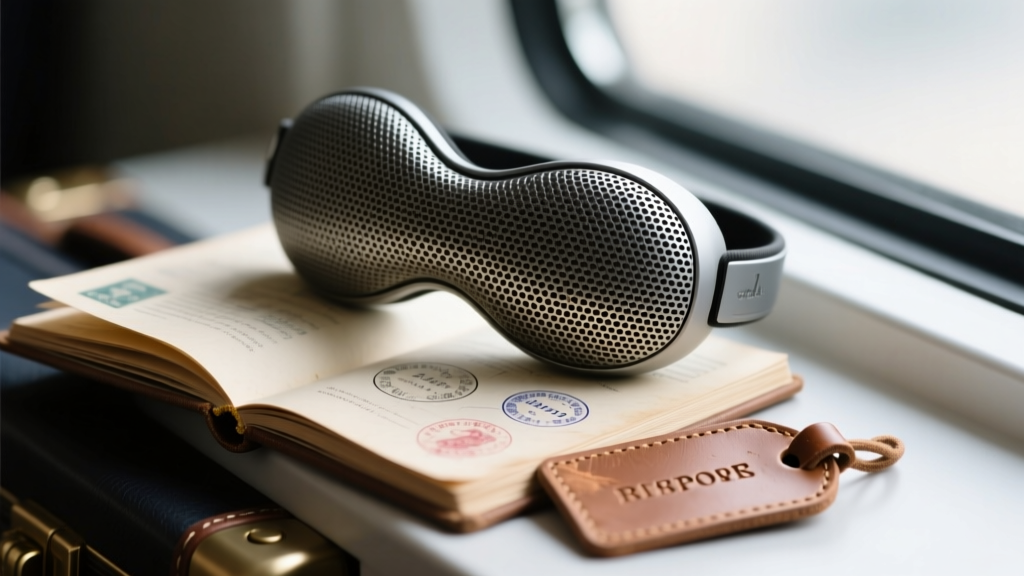
1. YogaSleep Rohm+ (Best Overall for Travel)
The YogaSleep Rohm+ remains the gold standard for travel sound masking. Priced at $49.99, it is roughly the size of a puck and weighs a mere 3.5 ounces. What sets the Rohm+ apart from cheaper alternatives is its custom-tuned acoustic chamber. While budget devices suffer from "audio fatigue" (the brain subconsciously detecting a 10-second looping audio file), the Rohm+ utilizes a non-looping, algorithmically generated soundscape.
The Specs: It peaks at an impressive 65 decibels at a one-meter distance, enough to drown out a snoring partner or a noisy hotel hallway. The 2026 firmware update introduced a "Smart Fade" feature, which gradually lowers the volume over a 45-minute window as the device's onboard microphone detects a reduction in ambient room noise. Battery life sits at a reliable 12 hours on a single USB-C charge.
2. Hatch Rest Go (Best for Smart Home Integration)
For the tech enthusiast who already has a home automation ecosystem, the $49.99 Hatch Rest Go is the ultimate bridge between travel and home. Unlike standalone pucks, the Rest Go connects via Bluetooth LE and Wi-Fi, allowing users to control the soundscapes and nightlight features via the Hatch app or through Matter-compatible smart home routines.
The Specs: It offers 10 distinct sound profiles, ranging from pure white noise to localized nature sounds. The standout feature is the "Travel Lock" mode, which prevents the device from accidentally turning on inside a suitcase. However, its maximum output is capped at around 55 decibels, making it better suited for close-proximity masking (like on a nightstand) rather than filling a large, noisy room.
3. Soundcore Sleep A20 (Best Wearable Masking)
Sometimes, masking the room isn't an option—especially in shared spaces like co-working lounges or long-haul flights. The Soundcore Sleep A20 earbuds ($149.00) bypass external speakers entirely, delivering localized sound masking directly to the ear canal.
The Specs: Unlike traditional ANC (Active Noise Cancellation) earbuds that struggle with unpredictable human voices, the A20 utilizes a hybrid approach: physical silicone isolation blocks low-frequency rumbles, while an onboard chip generates a customizable pink noise stream to mask mid-to-high frequency chatter. The ultra-slim profile means they can be worn while sleeping on a pillow without causing cartilage pain, a common failure mode in standard TWS earbuds. Battery life is 10 hours in masking mode.
Spec Showdown: Decibels, Battery, and Portability
To help you match the gadget to the recipient's specific lifestyle, here is a direct comparison matrix of the top contenders. As noted by Wirecutter's extensive audio testing, decibel output and battery reliability are the two most critical metrics for travel masking.
| Device | Price | Max Output (1m) | Battery Life | Weight | Best Use Case |
|---|---|---|---|---|---|
| YogaSleep Rohm+ | $49.99 | 65 dB | 12 Hours | 3.5 oz | Hotel rooms, Airbnbs |
| Hatch Rest Go | $49.99 | 55 dB | 10 Hours | 4.2 oz | Smart home, Nursery travel |
| Soundcore Sleep A20 | $149.00 | N/A (In-Ear) | 10 Hours | 0.18 oz (per bud) | Flights, Shared offices |
| Ozlo Sleepbuds | $299.00 | N/A (In-Ear) | 10 Hours | 0.21 oz (per bud) | Biohackers, Severe insomnia |
The Acoustics of Gifting: A Decision Framework
How do you choose the right device? Use this quick decision framework based on the recipient's primary pain points:
- The Frequent Flyer: Choose the Soundcore Sleep A20. Airplane cabins are dominated by 85 dB of low-frequency engine drone. Wearable masking combined with physical isolation is the only way to combat this without carrying over-ear headphones.
- The Remote Worker: Choose the YogaSleep Rohm+. It provides enough acoustic volume to mask the sound of roommates or family members in the next room during deep-work sessions.
- The Ecosystem Tinkerer: Choose the Hatch Rest Go. If they love setting up Home Assistant routines or tweaking smart home automations, the API and app integration will be highly appreciated.
Frequently Asked Questions
Can't they just use a smartphone app for white noise?
They can, but it is not recommended. Streaming high-fidelity brown noise via Bluetooth to a portable speaker introduces compression artifacts (especially over SBC or AAC codecs) that make the high frequencies sound harsh and fatiguing. Furthermore, dedicating a smartphone to play noise drains its battery and risks sleep disruption from incoming notifications. Dedicated devices use onboard DACs and local storage for pristine, uncompressed audio.
Is it safe to listen to white noise all night?
Yes, provided the volume is kept at a reasonable level. Audiologists recommend keeping continuous noise machines below 70 decibels at the ear. Devices like the Rohm+ and Hatch Rest Go are hardware-limited to safe thresholds, ensuring they mask the environment without risking noise-induced hearing fatigue.
Why are these better than noise-canceling headphones?
Active Noise Cancellation (ANC) is incredible for low-frequency, continuous drones (like engines). However, ANC struggles with unpredictable, high-frequency sounds like human speech, sirens, or dogs barking. Sound masking works by adding a consistent acoustic blanket that covers up those unpredictable spikes, making it far superior for sleep and focus in dynamic environments.
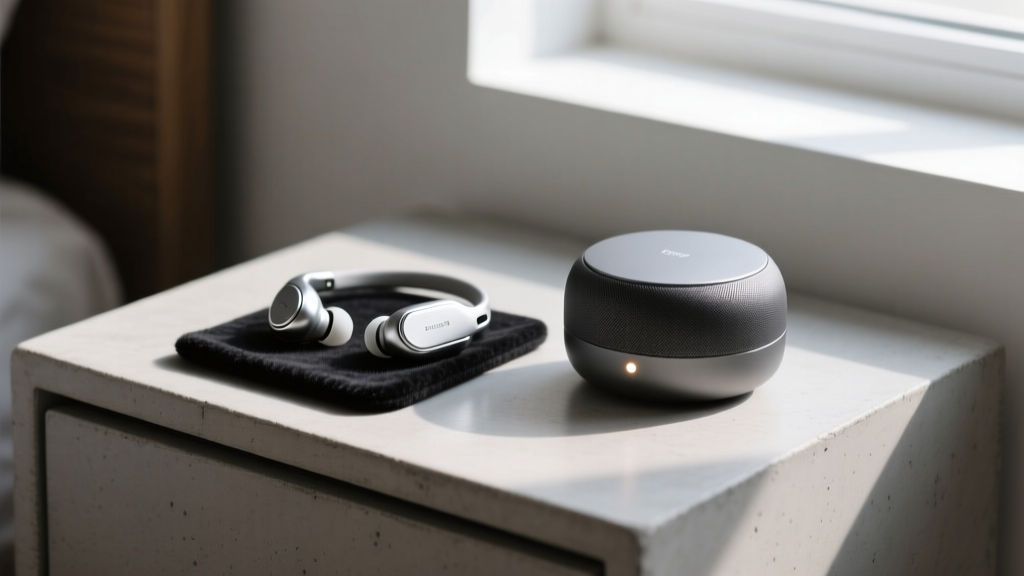
Ultimately, the best tech gifts are the ones that seamlessly integrate into daily life and solve a persistent problem. This year, bypass the novelty bins and the endless sea of keychain gadgets. Give the tech enthusiast in your life the ultimate luxury: perfect, engineered silence.
Written by
Jake MorrisonJake Morrison holds a B.S. in Electrical Engineering from UC Berkeley and an MBA from Stanford Graduate School of Business. With over 12 years of hands-on experience in consumer electronics, he previously served as a senior product engineer at a Silicon Valley startup before transitioning to tech journalism. Jake has personally tested and benchmarked over 3,000 gadgets across categories including smartphones, wearables, smart home devices, and audio equipment. His durability testing methodology — involving controlled drop tests, thermal cycling, and water submersion — is widely cited by major tech publications. He is a certified CompTIA A+ technician and a contributing editor to the IEEE Consumer Electronics Magazine.