New Technology Gadgets for Drone Pilots: 2026 Problem-Solver Guide
Solve battery anxiety, FPV fog, and crash risks with our practical picks. Discover the best new technology gadgets for drones in 2026.
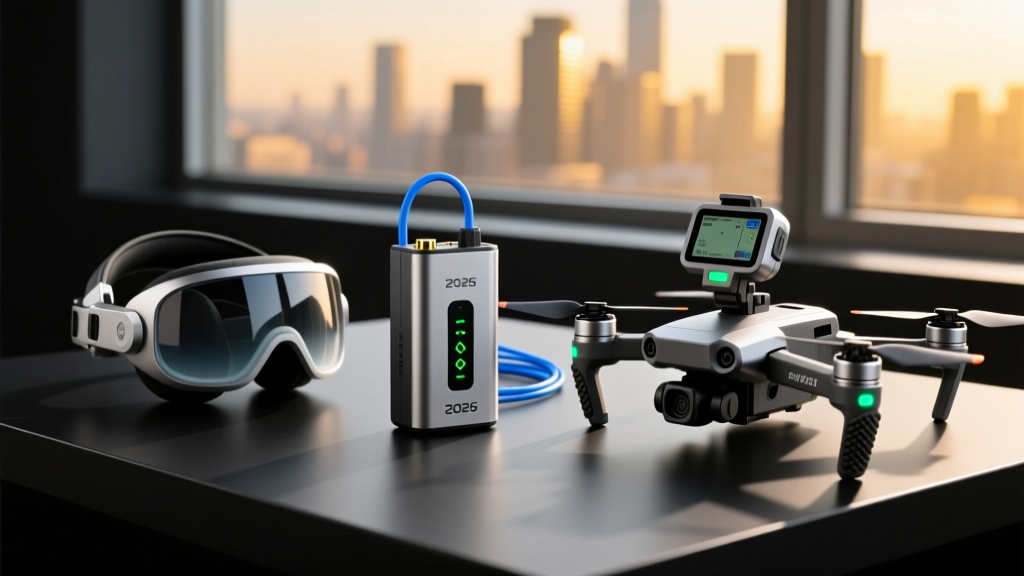
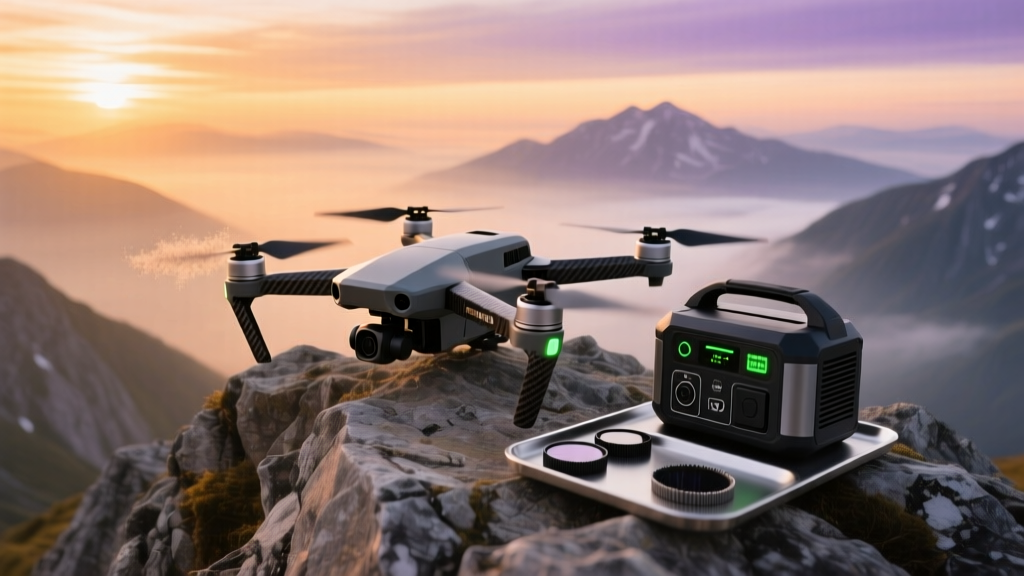
Modern drones are engineering marvels, but any seasoned pilot knows that real-world field conditions rarely match the pristine environments of a manufacturer's marketing video. Whether you are flying a high-end camera drone for commercial videography or pushing a 5-inch freestyle quad through an abandoned warehouse, friction points like battery anxiety, thermal throttling, and crash recovery remain persistent headaches. When evaluating the latest new technology gadgets, true enthusiasts must look past flashy spec sheets and focus on practical problem-solving accessories that keep you in the air and out of trouble.
In this 2026 problem-solver guide, we bypass the gimmicks and dive deep into the exact accessories, power solutions, and durability mods that address the most common pain points in modern drone piloting. Expect exact model numbers, real-world performance metrics, and actionable decision frameworks.
Solving Battery Anxiety: Field Power & Fast Charging Frameworks
The most pervasive lie in the drone industry is advertised flight time. The DJI Mavic 3 Pro, for instance, boasts a 43-minute maximum flight time. In reality, accounting for 10 mph winds, 5.1K ProRes recording, and the mandatory 20% battery reserve for safe Return-to-Home (RTH), your actual shooting window shrinks to roughly 22 minutes. When you are on a paid gig or a remote hiking expedition, standard 30W charging bricks are virtually useless.
The solution lies in high-discharge portable power stations and 100W USB-C PD (Power Delivery) adapters. By bypassing the proprietary charging hubs, you can charge intelligent flight batteries directly via their USB-C ports at maximum amperage.
2026 Field Charging Comparison Matrix
| Power Gadget | Capacity & Output | Weight | Real-World Mavic 3 Charges | Estimated Cost |
|---|---|---|---|---|
| Anker Prime 27,650mAh | 250W Total / 100W Single Port | 1.38 lbs | 2.2 full charges | $179 |
| EcoFlow River 2 Max | 512Wh / 500W AC Output | 13.4 lbs | 8.5 full charges | $399 |
| DJI 100W USB-C Power Adapter | 100W PD Output (Wall/Inverter) | 0.65 lbs | N/A (Requires AC/DC source) | $65 |
Expert Insight: Never use cheap, unbranded USB-C cables for drone batteries. High-amperage charging generates significant heat. Invest in an Anker or UGREEN 100W-rated cable with an E-Marker chip to prevent voltage drops and thermal shutoffs during critical charging windows.
Eliminating FPV Goggle Fog and Thermal Throttling
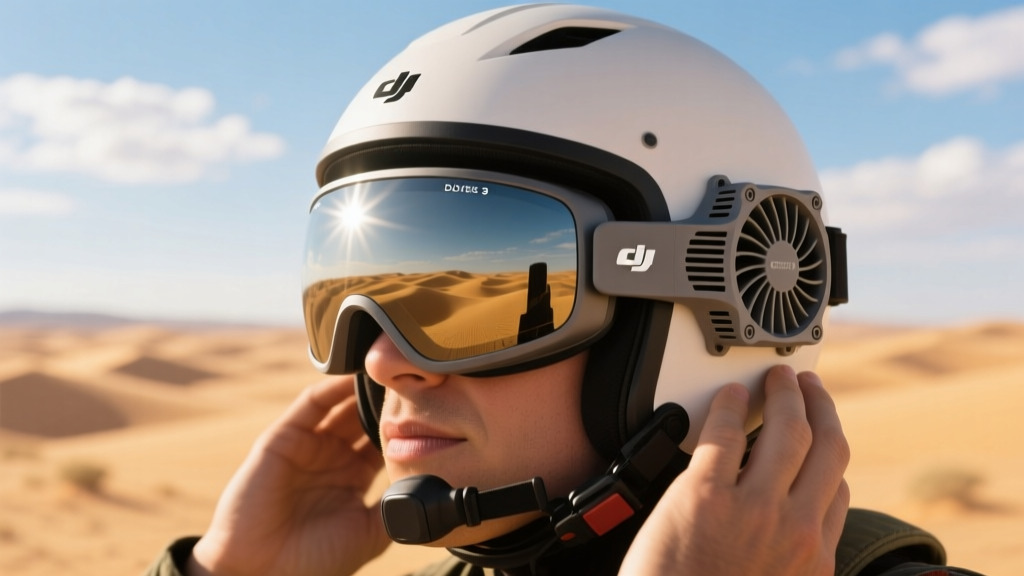
First-Person View (FPV) flying has seen massive mainstream adoption with the release of the DJI Goggles 3 and the O4 transmission system. However, these digital goggles suffer from two major environmental flaws: lens fogging in high humidity and thermal throttling in direct sunlight exceeding 82°F (28°C).
"Thermal throttling in FPV goggles doesn't just dim your screen; it increases transmission latency and can trigger sudden video feed artifacts, which is catastrophic when flying a racing drone at 90 mph through tight gaps."
The Anti-Fog and Cooling Protocol
- Active Airflow Shrouds: For the Goggles 3, the internal fans primarily cool the mainboard, not the facial interface. 3D-printed TPU (Thermoplastic Polyurethane) fan shrouds, available from creators on Thingiverse or Etsy, redirect 30% of the exhaust air across the inner lenses, equalizing the temperature differential that causes condensation.
- Silica-Based Inserts: Skip the cheap microfiber cloths. Use dedicated anti-fog inserts (like those from Ghost Vision or generic optically clear silica sheets) that adhere to the inner Fresnel lenses. These cost under $15 and permanently eliminate fogging in environments with 80%+ humidity.
- External Sunshades: To prevent thermal throttling, use a rigid carbon-fiber or hard-plastic sunshade rather than a soft fabric one. Hard shades create a physical air gap between the sun-baked plastic and the goggle's top exhaust vents, reducing internal chassis temperatures by up to 12°F.
Upgrading Camera Drone Optics Without Gimbal Damage
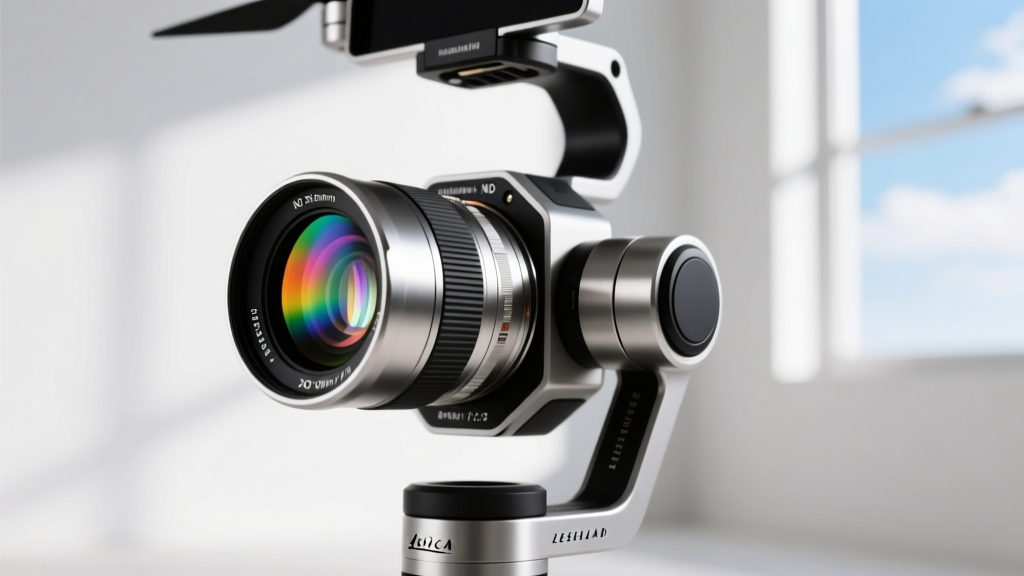
Variable Neutral Density (VND) filters are non-negotiable for maintaining the 180-degree shutter rule in cinematic drone footage. However, traditional threaded filters require physical torque to screw onto the lens housing. Applying rotational force to a delicate 3-axis gimbal can strip the internal ribbon cables or burn out the yaw-axis micro-motors, leading to a 'Gimbal Motor Overload' error and a $250 repair bill.
The Magnetic Quick-Release Solution
The shift toward magnetic filter ecosystems is one of the most practical advancements among recent new technology gadgets for aerial photography. Brands like Freewell and PolarPro now utilize high-strength neodymium magnetic mounts.
- Zero Torque Installation: Magnetic VND filters snap onto a base ring in milliseconds. This completely eliminates lateral stress on the gimbal motors during installation and removal.
- Hard Stop Technology: When buying a magnetic VND (e.g., the Freewell Magnetic VND for the Mavic 3 series, priced around $119), ensure it features physical 'hard stops' at 2 and 5 stops. This prevents you from accidentally crossing the polarization threshold, which causes the dreaded 'X-pattern' shadowing across your footage.
- Weight Calibration: Magnetic filters are slightly heavier than threaded ones. Always perform a manual gimbal auto-calibration in the drone's settings menu after attaching the base ring to ensure the motors balance the new center of gravity.
Crash Recovery and Ruggedizing Racing Drones
Flying a 5-inch freestyle or racing drone like the GEPRC Mark5 HD V2 means crashes are inevitable. While the 5mm 7075-T6 aluminum mid-plate and carbon fiber arms can withstand immense G-forces, losing a $600 quad in tall grass or dense brush is a rite of passage no pilot enjoys.
Decision Framework for Drone Tracking
Relying solely on the drone's last-known GPS coordinates is often insufficient, especially if the flight controller loses power upon impact. Here is how to build a redundant recovery system:
- Acoustic Beacons: Solder a 5V active piezo buzzer directly to a switched BEC (Battery Eliminator Circuit) on your flight controller. Configure Betaflight to trigger the buzzer continuously when the radio link is lost. A 105dB piezo buzzer can be heard from 300 feet away, even in windy conditions.
- Bluetooth Trackers: Embedding an Apple AirTag or Tile Pro inside the drone's canopy is highly effective. Critical Mod: Remove the AirTag's internal speaker and wire it to the drone's 5V rail, or wrap it in acoustic foam to muffle the sound if you want stealth, but for recovery, leaving the speaker intact allows you to use the 'Find My' network's precision finding feature via your smartphone's UWB (Ultra-Wideband) chip to pinpoint the drone within inches.
- Visual Recovery: Apply high-visibility, retro-reflective tape (like 3M Scotchlite) to the top of the battery strap and the underside of the top plate. When sweeping the area with a high-lumen flashlight at dusk, the reflection will give away the drone's location instantly.
Frequently Asked Questions (FAQ)
Do magnetic ND filters void my camera drone warranty?
No. Magnetic filters do not alter the drone's firmware or hardware. However, if a poorly designed magnetic filter detaches mid-flight and strikes the propellers, causing a crash, the manufacturer may classify it as 'user error' or 'third-party accessory damage,' which is not covered under standard limited warranties.
Is it legal to attach an AirTag to a drone under FAA rules?
Yes. The FAA's recreational flyer guidelines do not prohibit attaching tracking devices to your aircraft. In fact, having a secondary tracking method is highly recommended for safety and recovery purposes, provided the tracker does not interfere with the drone's GPS or compass modules. Always mount trackers at least 2 inches away from the internal compass.
Can I use a standard laptop power bank to charge LiPo batteries in the field?
Standard laptop power banks output 65W, which is insufficient for fast-charging modern smart flight batteries or safely parallel-charging raw LiPos. You need a power bank capable of sustained 100W+ PD output and a specialized LiPo field charger (like the ToolkitRC M6) to safely manage cell balancing and prevent thermal runaway.
Final Verdict: Building Your 2026 Problem-Solving Kit
Investing in the right new technology gadgets isn't about buying the fastest drone or the highest resolution camera; it's about eliminating the micro-frictions that ruin a shoot or a flight session. By upgrading to 100W field charging ecosystems, adopting magnetic optics, and implementing redundant acoustic and Bluetooth recovery systems, you transform your drone kit from a fragile hobby setup into a rugged, professional-grade aerial platform. Fly smart, solve the problems before they happen, and keep your props spinning.
Written by
Jake MorrisonJake Morrison holds a B.S. in Electrical Engineering from UC Berkeley and an MBA from Stanford Graduate School of Business. With over 12 years of hands-on experience in consumer electronics, he previously served as a senior product engineer at a Silicon Valley startup before transitioning to tech journalism. Jake has personally tested and benchmarked over 3,000 gadgets across categories including smartphones, wearables, smart home devices, and audio equipment. His durability testing methodology — involving controlled drop tests, thermal cycling, and water submersion — is widely cited by major tech publications. He is a certified CompTIA A+ technician and a contributing editor to the IEEE Consumer Electronics Magazine.