Promotional Tech Gadgets: Best Portable Power Banks & Solar Chargers
Discover the best promotional tech gadgets for portable power. Compare power banks, solar chargers, and car adapters for high-impact corporate gifting.
The Shift in Corporate Swag: Why Portable Power Dominates
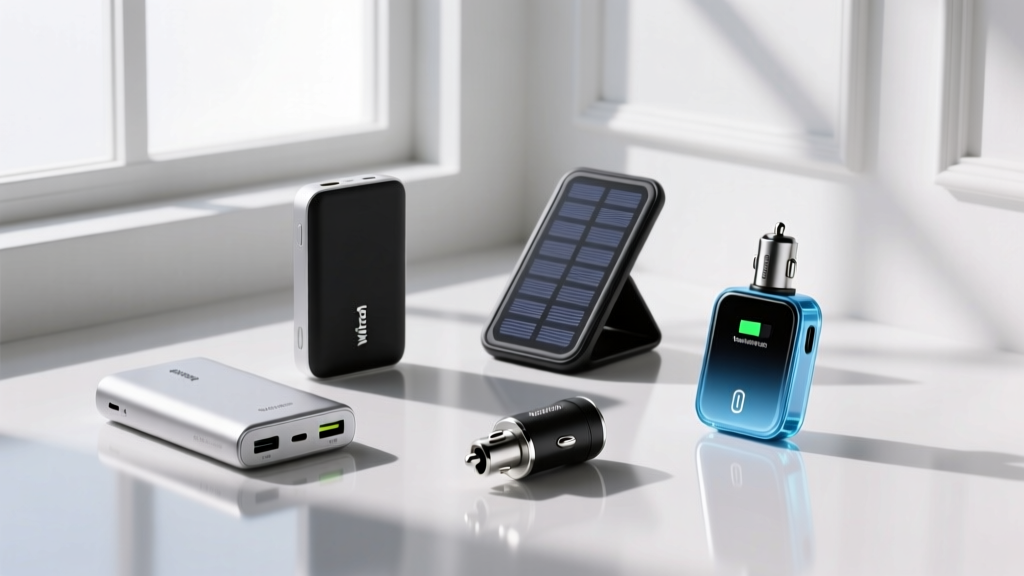
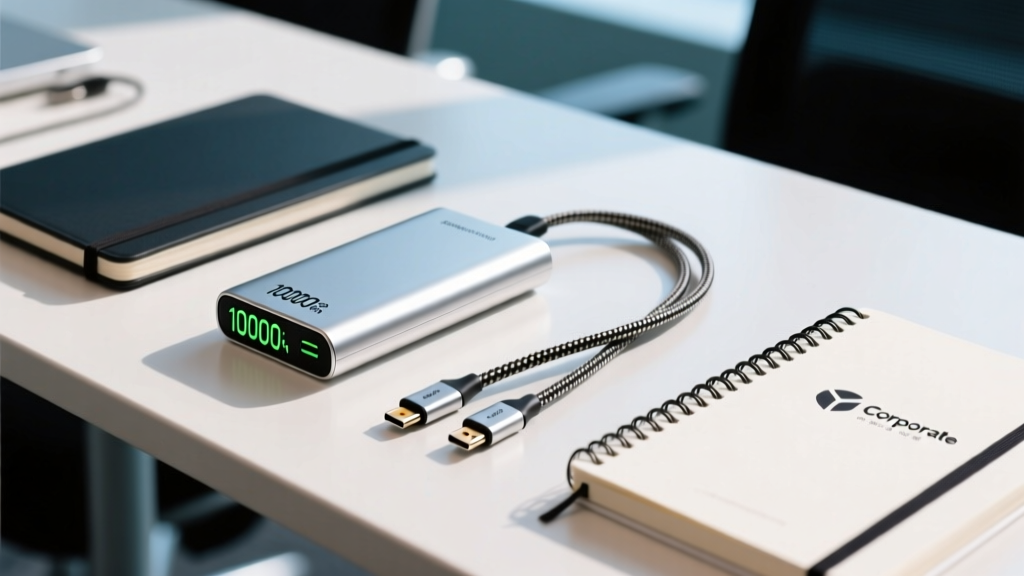
When sourcing promotional tech gadgets for a tech-savvy audience, the margin for error is razor-thin. Hand a software engineer or a hardware enthusiast a generic, 5,000mAh plastic power bank that charges at a sluggish 5W, and it will end up in a desk drawer forever. The modern tech enthusiast demands utility, speed, and build quality. Portable power—specifically high-density power banks, advanced solar chargers, and high-wattage car adapters—has emerged as the premier category for corporate gifting and event swag because it solves a universal pain point: battery anxiety.
In 2026, the baseline expectation for portable power has shifted dramatically. Gallium Nitride (GaN) architecture has made chargers smaller and cooler, while the Qi2 magnetic wireless standard has unified cross-brand magnetic charging. If your promotional strategy relies on tech gadgets, you must pivot from 'cheap bulk' to 'premium utility.' This guide breaks down the exact specifications, models, and procurement strategies for portable power swag that tech enthusiasts will actually use daily.
Before ordering any promotional power bank, apply the 3C Test:
1. Capacity: Minimum 10,000mAh (anything less is a nuisance in 2026).
2. Current: Must support at least 20W USB-C Power Delivery (PD).
3. Certification: Must carry UL 2056 or equivalent safety certification to avoid corporate liability.
Power Banks: Capacity vs. Portability Matrix
The power bank market is heavily segmented. For promotional tech gadgets, you are generally choosing between magnetic wireless convenience (for commuters and iPhone users) and high-wattage wired output (for laptop users and digital nomads). Below is a procurement matrix comparing top-tier models that accept custom laser engraving or UV printing.
| Model / Brand | Capacity & Output | Key Tech Standard | Est. Bulk Price (500+ units) | Best Audience |
|---|---|---|---|---|
| Anker MagGo (10K) | 10,000mAh / 30W Wired | Qi2 (15W Magnetic) | $38 - $45 | Apple ecosystem users, commuters |
| Baseus Blade 100W | 20,000mAh / 100W PD | PD 3.0 / PPS | $52 - $60 | Remote workers, laptop users |
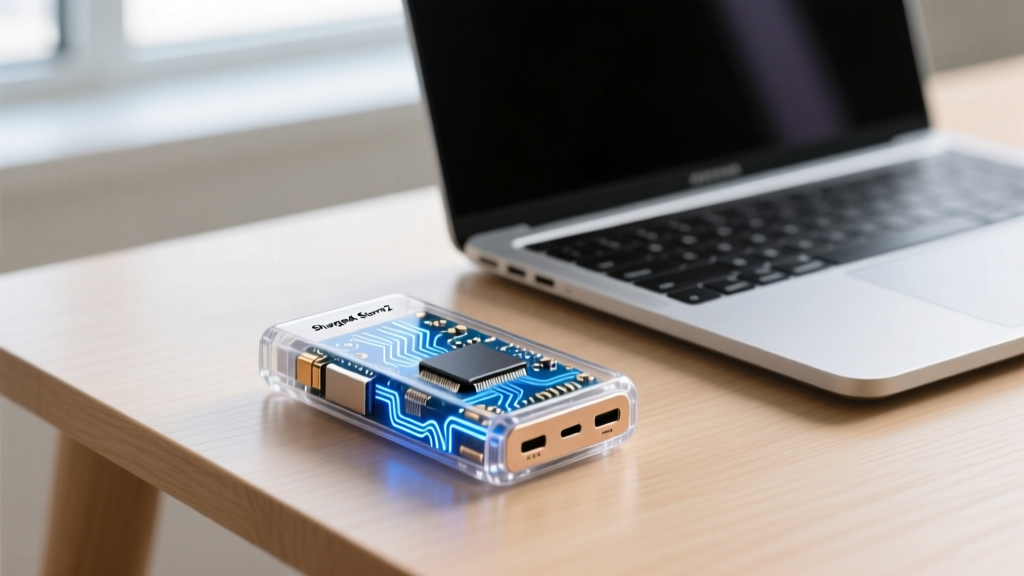
| Shargeek Storm2 | 25,600mAh / 100W PD | Transparent IPS Display | $85 - $110 | VIP clients, hardware engineers |
| Nitecore NB10000 | 10,000mAh / 22.5W PD | Carbon Fiber Shell | $40 - $48 | Field engineers, outdoor tech |
Why Qi2 is Non-Negotiable for Wireless Swag
If you are ordering magnetic wireless power banks, do not accept legacy 'MagSafe-compatible' units that lack official certification. The Wireless Power Consortium has rolled out the Qi2 standard, which guarantees 15W fast charging and precise magnetic alignment across both iOS and Android devices. Handing out unregulated magnetic chargers risks thermal throttling and battery degradation for the end-user, which reflects poorly on your brand. Always verify the Qi2 logo on the packaging before signing a bulk purchase order.
Solar Chargers: Off-Grid Promotional Gear That Actually Works
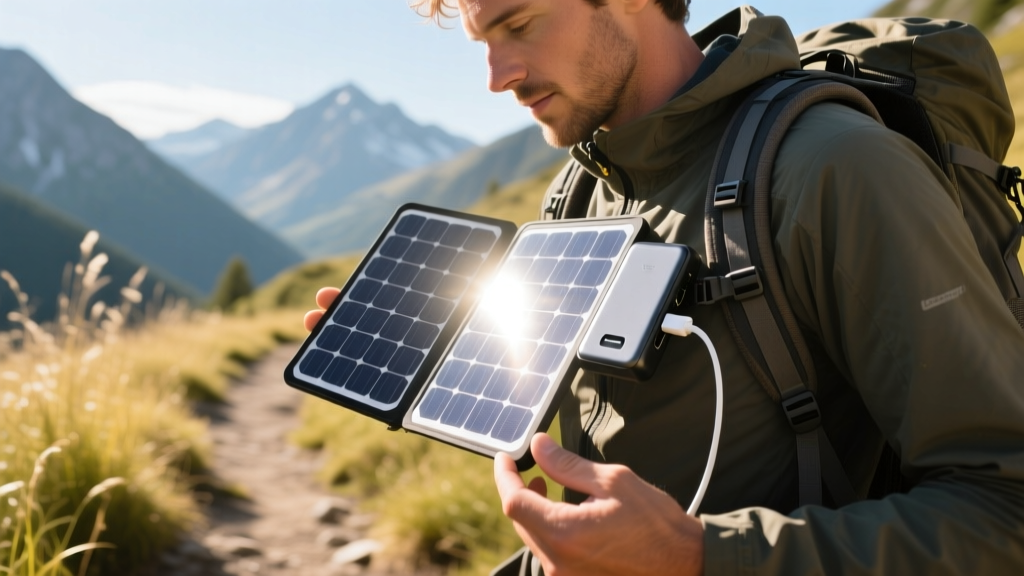
Solar chargers are highly coveted promotional tech gadgets for sustainability-focused campaigns and outdoor industry events. However, the market is flooded with cheap, PET-laminated panels that cloud over and delaminate after three months of UV exposure. To impress a tech enthusiast, you must source panels utilizing ETFE (Ethylene Tetrafluoroethylene) lamination and monocrystalline cells.
- ETFE vs. PET: ETFE offers superior light transmittance (up to 95%) and can withstand extreme temperature fluctuations without yellowing. It is the standard for premium brands like BigBlue and BioLite.
- Cell Efficiency: Look for SunPower Maxeon or equivalent monocrystalline cells boasting 23% to 25% conversion efficiency. Polycrystalline cells (usually identifiable by their speckled blue hue) cap out around 17% and are too inefficient for portable, foldable swag.
- Output Regulation: A raw solar panel will fry a smartphone if a cloud passes and the voltage spikes. Ensure the promotional unit includes a built-in smart IC voltage regulator with a minimum 5V/2.4A USB-A or 18W USB-C output.
"When evaluating solar swag, weight-to-wattage ratio is the primary metric. A 28W foldable panel should weigh no more than 1.8 lbs. Anything heavier will be left at home, defeating the purpose of the promotional item."
— Field Testing Guidelines, Outdoor Tech Review Board
Car Adapters & Wireless Charging Pucks: The Commuter's Swag
The humble car cigarette lighter adapter has evolved into a critical power hub. Modern vehicles often feature weak 12V/10A ports, but tech enthusiasts are plugging in power-hungry laptops and fast-charging phones simultaneously. Promotional car adapters must feature GaN internals to keep the physical footprint small while outputting 100W+ via USB-C PD 3.1.
For wireless charging pucks (desk and car mounts), thermal management is the defining factor of quality. Cheap pucks use basic copper coils that generate excessive waste heat, causing smartphones to display the 'charging paused due to temperature' warning. Premium promotional pucks utilize graphene heat dissipation layers and active cooling fans. When sourcing these gadgets, request the thermal throttling test report from the OEM manufacturer.
Procurement Checklist: Certifications and Safety Standards
Distributing lithium-ion batteries carries inherent corporate liability. A swollen or combusting power bank with your company logo on it is a PR disaster. Never bypass safety certifications to save $2 per unit. According to UL Solutions, rigorous testing protocols are required to ensure battery management systems (BMS) properly handle overcharge, short-circuit, and thermal runaway scenarios.
Require your promotional supplier to provide valid certificates for the following:
- UL 2056: The specific standard for the safety of power banks and portable USB chargers.
- UN38.3: Mandatory for the safe transport of lithium metal and lithium-ion batteries (essential for international shipping of your swag).
- FCC Part 15: Ensures the device's electromagnetic interference is within acceptable limits.
- RoHS Compliance: Restricts the use of hazardous materials like lead and mercury in the electronics.
Final Verdict: Matching the Gadget to the Audience
The success of promotional tech gadgets in the portable power space hinges on audience alignment. For a conference attended by software developers and IT professionals, the Baseus Blade 100W is the undisputed champion; its slim profile slides into a laptop sleeve, and its 100W output keeps a MacBook Pro charged during long hackathons. For a sustainability summit or outdoor expo, an ETFE-laminated 28W solar charger demonstrates a commitment to off-grid resilience. Finally, for VIP client appreciation gifts, the Shargeek Storm2 with its transparent cyberpunk aesthetic and IPS screen provides an unboxing experience that standard swag simply cannot match.
By prioritizing GaN architecture, Qi2 compliance, and rigorous UL safety certifications, your brand will secure a permanent spot in the daily carry of the most discerning tech enthusiasts.
Written by
Priya SharmaPriya Sharma holds a Ph.D. in Acoustical Engineering from the University of Southampton and a B.Tech in Electronics from IIT Delhi. She has spent 9 years as a consumer electronics journalist, with deep specialization in audio equipment, camera systems, and assistive technology. Priya is an active member of the Audio Engineering Society (AES) and has co-authored papers on spatial audio perception published in the Journal of the Acoustical Society of America. Her reviews of headphones, portable DACs, and studio monitors include objective measurements using Audio Precision analyzers alongside subjective listening tests. She also serves on the advisory board of the Global Accessibility Reporting Initiative (GARI), evaluating mobile devices for users with visual and hearing impairments.