Top Weatherproof Tech Gadgets for Teens: 2026 Outdoor Guide
Discover the best weatherproof tech gadgets for teens in 2026. Rugged outdoor gear for hiking, surfing, and camping with IP ratings and cold-weather tips.
The Reality of Outdoor Tech for Active Teens
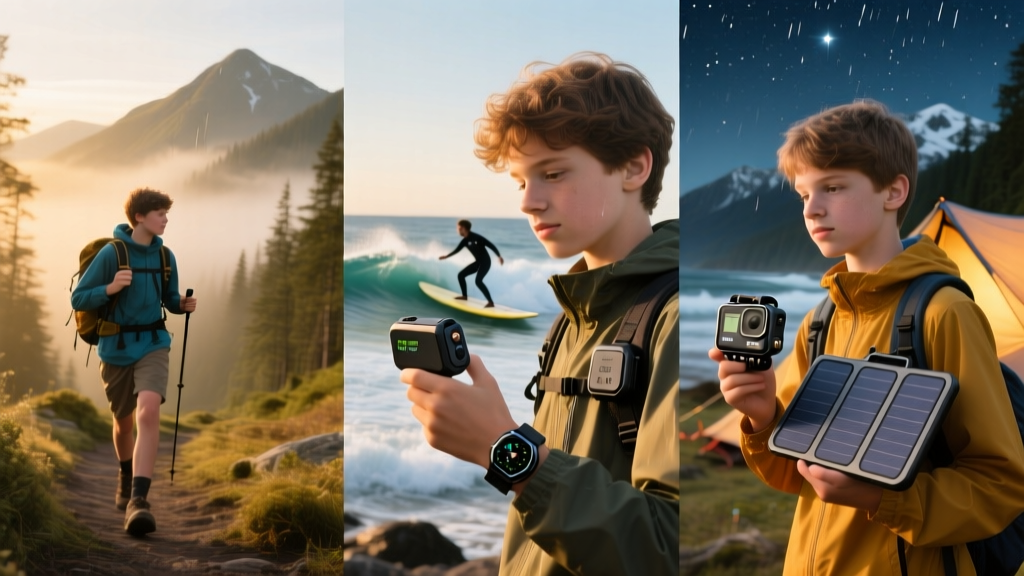
Standard consumer electronics fail rapidly in outdoor environments. A dropped smartphone on a granite trail, a submerged Bluetooth speaker in a tidal pool, or a dead GPS unit in freezing temperatures are not just inconveniences—they are safety hazards and expensive mistakes. For teenagers engaging in surfing, backcountry hiking, skateboarding, or winter camping, gear must meet strict ingress protection (IP) and military-grade drop standards. This guide cuts through marketing jargon to identify the exact weatherproof tech gadgets for teens that survive real-world abuse in 2026, detailing specific failure modes and environmental edge cases.
The 2026 Outdoor Tech Matrix: Quick Comparison
Before breaking down specific use cases, here is the benchmark data for the top rugged devices currently dominating the outdoor teen market. Pricing reflects current MSRP and average street prices.
| Device | Category | Ingress Protection | Battery / Power | Street Price |
|---|---|---|---|---|
| Ultimate Ears WONDERBOOM 4 | Audio | IP67 (Floats) | 14 Hours | $99 |
| GoPro HERO13 Black | Action Camera | IP68 (33ft/10m) | 1900mAh Enduro | $399 |
| Garmin Instinct 2 Solar | Wearable GPS | MIL-STD-810H / 10 ATM | Unlimited (Solar) | $399 |
| BioLite Charge 80 PD | Power Bank | IP67 | 20,000mAh (60W PD) | $129 |
| Goal Zero Lighthouse 600 | Lighting / Hub | IP54 (Splash) | 4,800mAh / 150h | $80 |
Deep Dive: Gear by Environment
Surf, Skate & Water Sports
Water exposure requires more than just a waterproof seal; it demands acoustic optimization and buoyancy. The Ultimate Ears WONDERBOOM 4 ($99) remains the benchmark for teen water sports. Unlike rigid cylinder speakers that sink, the WONDERBOOM 4 utilizes a sealed acoustic chamber that provides positive buoyancy. If it falls off a paddleboard, it floats with the passive radiators facing upward, maintaining audio projection. According to extensive waterproof testing by Wirecutter, the IP67 rating guarantees survival at 1 meter of submersion for 30 minutes, but the real advantage is the integrated carabiner loop, which prevents loss during wipeouts when tethered to a surf leash or life jacket.
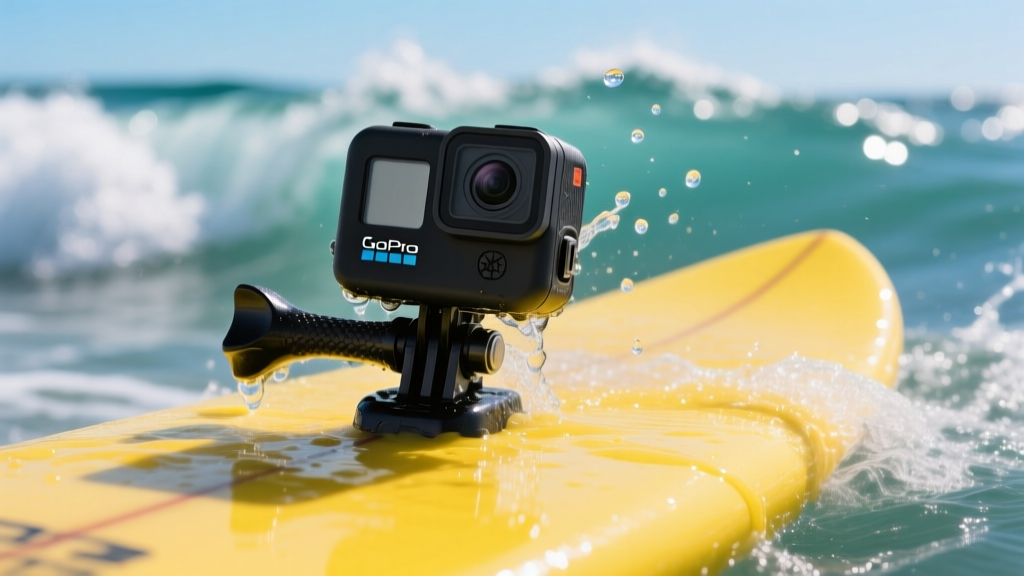
For capturing these moments, the GoPro HERO13 Black ($399) features an IP68 rating down to 33 feet (10 meters) without an external housing. The critical upgrade for 2026 is the Enduro battery, which uses a specialized electrolyte formula to prevent voltage drops in cold ocean water (below 50°F/10°C), a common failure point in previous action cameras that caused sudden shutdowns during winter surf sessions.
Backcountry Hiking & Camping
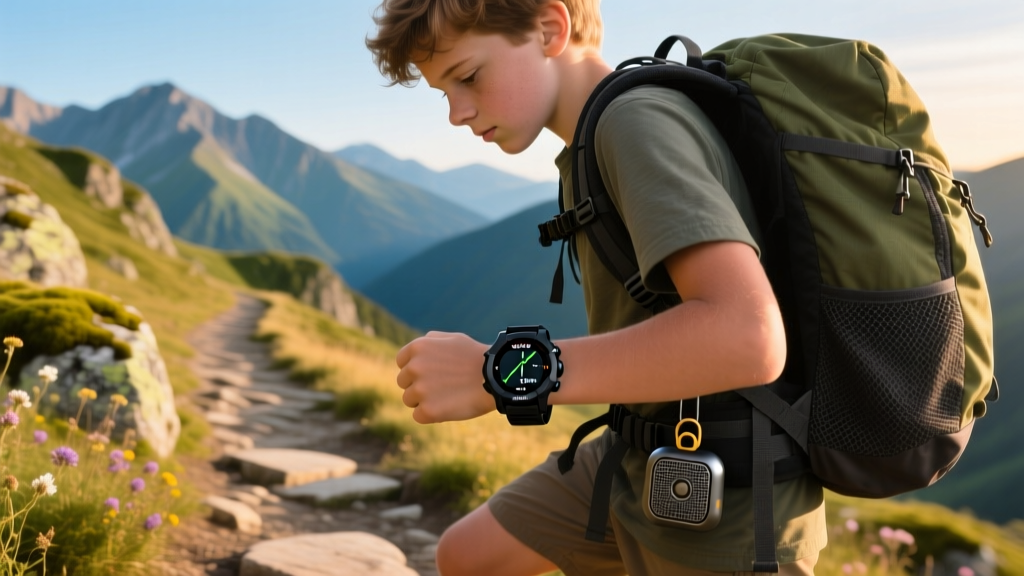
Hiking and camping demand extreme power efficiency and physical shock resistance. The Garmin Instinct 2 Solar ($399) is built to MIL-STD-810H standards, meaning it survives thermal shock, high humidity, and 4-foot drops onto concrete. For teens on multi-day treks, the Power Glass solar charging lens harvests ambient UV light. In direct sunlight (50,000 lux), the watch achieves theoretically infinite battery life in smartwatch mode, eliminating the need to carry charging cables into the backcountry.
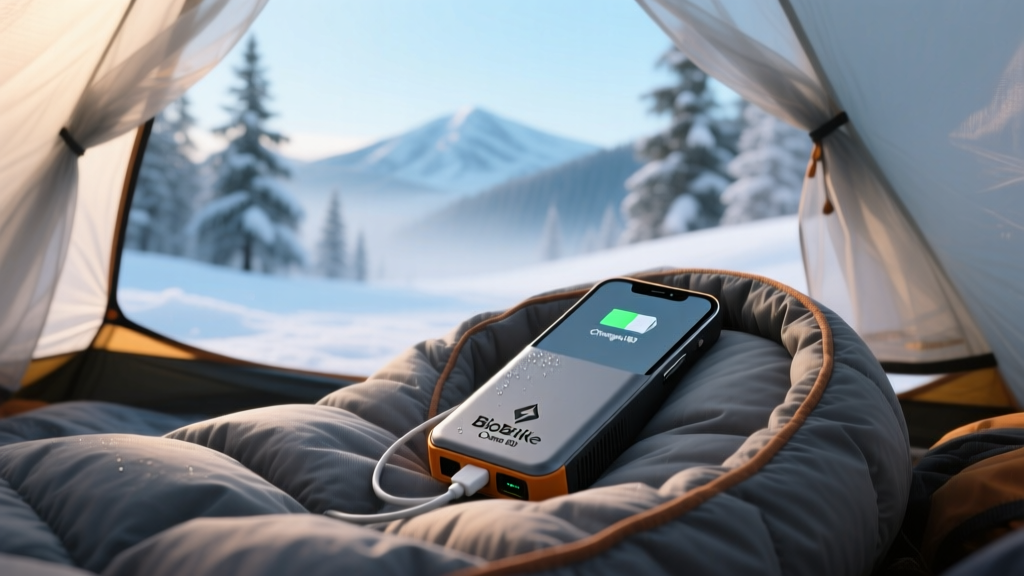
When phones and headlamps do need charging, the BioLite Charge 80 PD ($129) is the optimal power source. It packs a 20,000mAh capacity into an IP67-rated, rubberized chassis. Crucially, it supports 60W Power Delivery (PD) output, meaning it can fast-charge a dead smartphone to 50% in roughly 30 minutes, or even trickle-charge a laptop, minimizing the time the device needs to be exposed to the elements.
IP Ratings & MIL-STD-810H: Decoding the Specs
The Ingress Protection (IP) Cheat Sheet
Marketing terms like 'water-resistant' are legally ambiguous. Always check the two-digit IP code:
- First Digit (Solid/Dust): Ranges from 0-6. For outdoor tech, only accept 6 (Dust-tight). Sand and trail dust will destroy internal charging ports if the rating is 5 or lower.
- Second Digit (Liquid):
- 7: Survives submersion up to 1 meter for 30 minutes. (Ideal for rain, puddles, brief drops in lakes).
- 8: Survives continuous submersion beyond 1 meter, usually specified by the manufacturer (e.g., 3 meters for 60 mins). Required for scuba or deep-water snorkeling.
Note: IP ratings are tested in fresh water. Saltwater and chlorinated pool water are highly corrosive. Always rinse IP67/IP68 gear with fresh water and dry the USB-C ports completely before plugging in a cable.
Cold Weather Edge Cases: The Lithium-Ion Problem
Winter sports and high-altitude camping introduce a chemical vulnerability: cold-temperature lithium-ion battery drain. When temperatures drop below freezing (32°F / 0°C), the internal resistance of Li-ion cells increases, slowing the chemical reaction that generates electricity. At -4°F (-20°C), a power bank can lose up to 50% of its usable capacity, and devices may shut off prematurely even when the battery indicator reads 40%.
As noted by the experts at REI Co-op, managing electronics in the cold requires behavioral adjustments, not just better gear. To mitigate this:
- Body Heat Storage: Keep the BioLite Charge 80 and smartphone in an inner jacket pocket close to the torso during the day.
- Sleeping Bag Protocol: At night, place all power banks and GPS units at the bottom of the sleeping bag. The insulation traps body heat, keeping the batteries above freezing.
- Warm Before Charging: Never force a charge into a freezing battery. Doing so can cause lithium plating on the anode, permanently degrading the cell's capacity and creating a fire hazard. Allow the device to reach room temperature first.
Field Troubleshooting Decision Tree
When tech fails in the wild, use this diagnostic framework to recover functionality without panicking:
- Symptom: Touchscreen is unresponsive or registering 'ghost touches' in heavy rain.
Action: Water droplets mimic the electrical capacitance of a human finger. Wipe the screen with a microfiber cloth, or enable 'Touch Lock' / 'Water Lock' modes in the device settings to force reliance on physical hardware buttons. - Symptom: Bluetooth audio drops out when the user is waist-deep in water.
Action: Bluetooth operates on the 2.4GHz frequency, which cannot penetrate liquid water. The signal is being absorbed by the lake or ocean. Move the source device (phone) to a dry bag floating directly next to the speaker, keeping the distance under 3 feet. - Symptom: Solar watch is losing battery despite being outdoors.
Action: Check for physical obstructions. Long sleeves, backpack straps, or heavy tree canopy reduce UV exposure below the 5,000 lux threshold required for net-positive charging. Expose the watch face directly to the sky for 2 hours.
The Cost-Per-Adventure Framework
When budgeting for outdoor tech gadgets for teens, avoid comparing the upfront MSRP of rugged gear against standard consumer electronics. Instead, use the Cost-Per-Adventure (CPA) framework. A $40 standard Bluetooth speaker that breaks after a single beach trip has a CPA of $40. A $99 IP67-rated speaker that survives 50 beach trips, hikes, and pool parties over three years has a CPA of $1.98. Investing in verified, weatherproof hardware is economically superior for active teenagers, reducing e-waste and ensuring reliable performance when it matters most. Always verify that the manufacturer offers a minimum 1-year warranty that explicitly covers water ingress, as some brands void warranties if the USB-C port cover was not fully seated during submersion.
For more on minimizing environmental impact while using tech outdoors, refer to the National Park Service's Leave No Trace principles, ensuring that broken devices or lithium batteries are packed out and recycled properly, never abandoned on the trail.
Written by
Nina PetrovaNina Petrova holds a Master's degree in Child Development from the Erikson Institute and a B.S. in Nursing from the University of Illinois at Chicago. She worked as a pediatric nurse for 6 years before transitioning to family technology consulting, bringing clinical rigor to her evaluations of kid-friendly gadgets, educational toys, and parental control software. Nina has reviewed over 400 children's tech products, testing each for safety compliance (CPSC and ASTM standards), developmental appropriateness across age groups, screen-time impact, and data privacy practices. She serves on the Children's Technology Review advisory board and has testified before the FTC on children's data protection in connected toys. Her reviews are trusted by parents and educators alike for their evidence-based approach to balancing technology benefits with child safety.