Eco-Friendly Van Life Gadgets: Sustainable Coffee Gear 2026
Discover the best eco-friendly van life gadgets for coffee lovers in 2026. Compare manual espresso makers and zero-waste travel brewers.
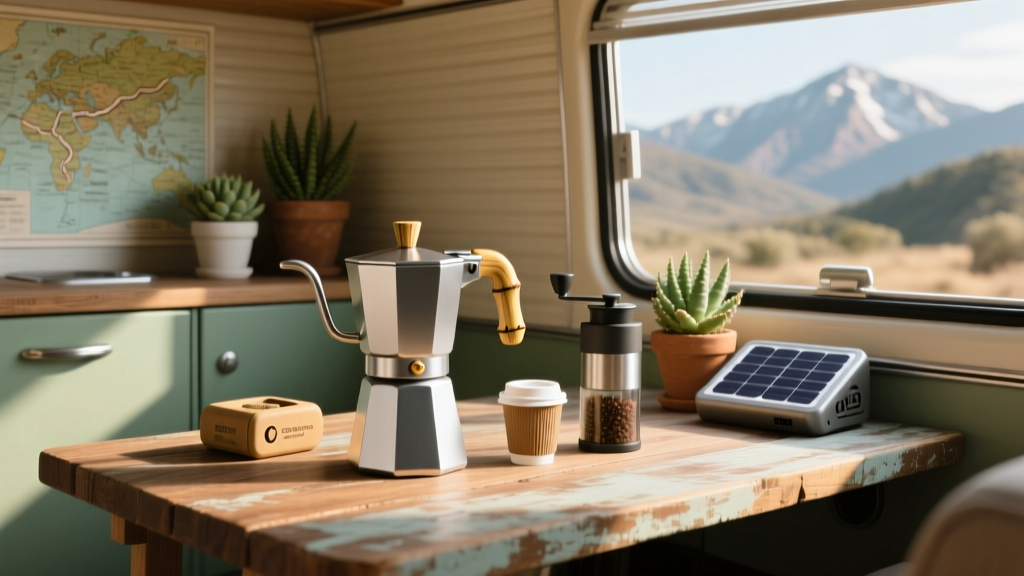
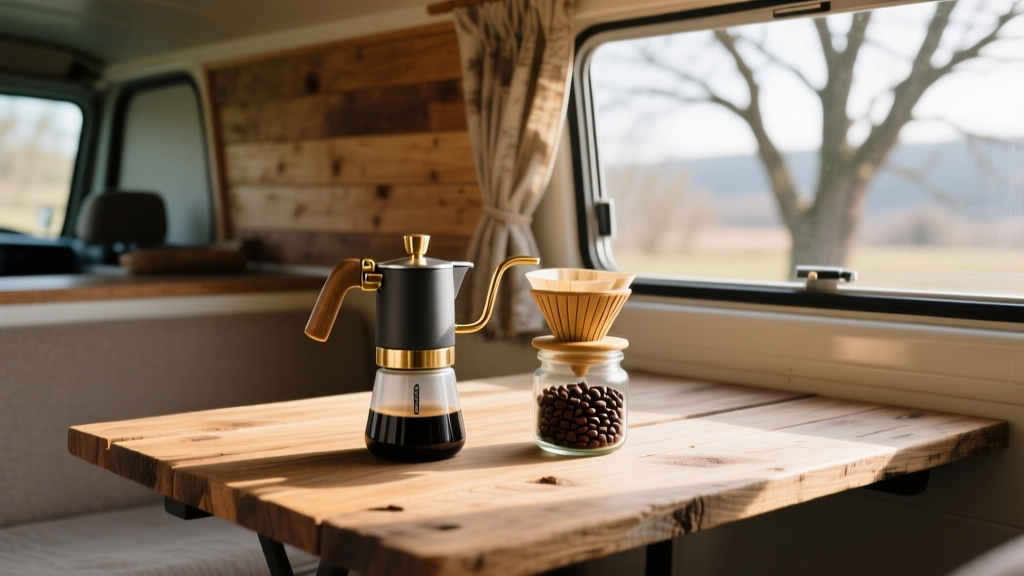
When curating the ultimate mobile setup, coffee gear inevitably dominates the conversation. However, as we navigate the 2026 overlanding and nomadic seasons, the environmental impact of our daily brew is under the microscope. Many popular van life gadgets marketed for coffee lovers rely on built-in lithium-ion batteries and single-use pods, contributing to a growing e-waste crisis and landfill overflow. If you are committed to low-impact travel, your morning ritual needs an upgrade.
This guide dives deep into the most sustainable, eco-friendly portable espresso and travel coffee gadgets available today. We prioritize manual mechanics, zero-waste filtration, and lifetime durability over planned obsolescence.
The Hidden Environmental Cost of Electric Travel Brewers
The market is currently flooded with battery-heated portable espresso machines. While convenient, these devices harbor a fatal flaw for the eco-conscious traveler: thermal battery degradation. Heating water from 20°C to 93°C requires immense energy. Devices with internal heating elements typically endure fewer than 500 charge cycles before their lithium cells degrade to 80% capacity. According to the EPA's guidelines on electronics waste, improperly discarded lithium batteries pose severe soil and water contamination risks. When a sealed, battery-powered espresso maker dies in a remote location, the entire unit often becomes unrecyclable e-waste.
The 2026 Sustainability Mandate: True eco-friendly van life gadgets separate the heat source from the extraction mechanism. By utilizing your existing camp stove or solar-heated water, you eliminate redundant batteries and extend the lifespan of your coffee gear from three years to three decades.
Top Eco-Friendly Van Life Gadgets for Coffee in 2026
1. Cafelat Robot: The Zero-E-Waste Espresso Tank
The Cafelat Robot is a masterpiece of analog engineering. Priced around $325, it is a manual lever espresso maker constructed entirely from stainless steel and aluminum. There are zero electronics, no plastic water pathways, and no batteries.
- Weight: 1.8 kg (Brewer only)
- Pressure: Capable of 9+ bars via manual lever leverage
- Eco-Advantage: 100% recyclable materials; fully serviceable with standard O-rings.
- Failure Mode: The silicone piston seal may dry out if left ungreased in arid desert climates. A $2 replacement seal and food-safe lubricant fixes it instantly.
2. Wacaco Picopresso: Precision Without Power
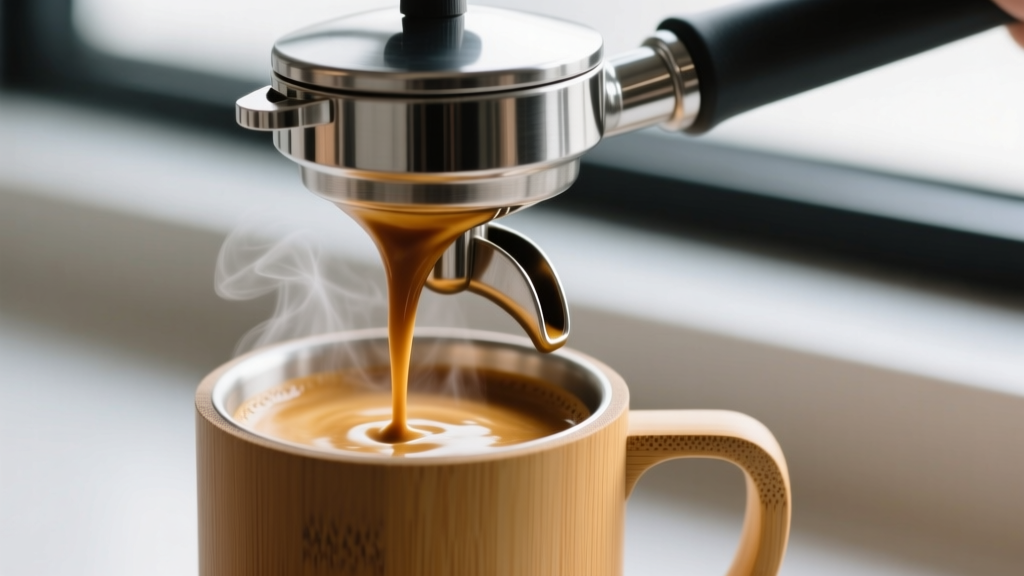
For those needing a smaller footprint, the Wacaco Picopresso ($119) offers commercial-grade extraction in a package the size of a coffee mug. It relies entirely on pre-heated water and manual hand-pumping. It uses a standard 18g unpressurized portafilter basket, meaning you aren't locked into proprietary, wasteful pods.
- Weight: 350g
- Water Temp Requirement: 92°C - 96°C (Must be pre-heated via kettle)
- Eco-Advantage: Uses standard loose coffee grounds; zero electricity required for extraction.
- Pro-Tip: Pair it with a reusable stainless steel filter mesh to eliminate the need for the included paper filters, achieving true zero-waste status.
3. AeroPress Go + Able Brewing Stainless Filter
The AeroPress Go ($45) remains a staple among nomads, but its standard paper filters create micro-waste. By upgrading to the Able Brewing Reusable Stainless Steel Filter ($15), you transform this gadget into a closed-loop system. The Go's integrated cup design also reduces the amount of dishwashing water required—a critical metric for boondocking.
- Brew Time: 90 seconds
- Water Efficiency: Requires only 150ml for a concentrated, espresso-style shot.
- Eco-Advantage: BPA-free polypropylene body; eliminates paper waste and reduces wash-water usage by 40% compared to traditional pour-overs.
4. Bellman CX25 Stovetop Espresso Maker
The Bellman CX25 ($165) bridges the gap between stovetop moka pots and true espresso. It operates on steam pressure generated by your existing camp stove (gas, induction, or electric hotplate). It also features a steam wand for texturing milk, a rarity in off-grid setups.
- Capacity: 1.1 Liters (Brews multiple shots or provides hot water for tea)
- Material: 18/8 Stainless Steel
- Eco-Advantage: Leverages existing off-grid cooking infrastructure; no dedicated power draw.
- Failure Mode: The safety valve can calcify if you use hard, unfiltered water from wild springs. Always run a 50/50 water-and-white-vinegar descaling cycle every 30 days.
Comparison Matrix: Power, Waste, and Yield
To help you choose the right tool for your rig, we evaluated these gadgets against the Specialty Coffee Association's brewing standards and sustainability metrics.
| Device | Power Source | Waste Output | Est. Lifespan | Price (2026) |
|---|---|---|---|---|
| Cafelat Robot | Manual (Human) | Compostable Pucks | 50+ Years | $325 |
| Wacaco Picopresso | Manual (Human) | Compostable Pucks | 10-15 Years | $119 |
| AeroPress Go + Metal Filter | Manual (Human) | Zero / Compostable | 10+ Years | $60 |
| Bellman CX25 | Stovetop (Shared) | Compostable Pucks | 30+ Years | $165 |
| Typical Battery Brewer | Li-Ion Battery | E-Waste / Pods | 2-4 Years | $150-$250 |
Sourcing and Disposing: A Leave No Trace Coffee Framework
Brewing sustainably is only half the battle; disposing of the byproduct responsibly is where many travelers fail. Coffee grounds are highly acidic and can disrupt local soil pH levels if dumped in large, concentrated piles near your campsite. Furthermore, they are a known bear attractant.
Following the Leave No Trace principles, adopt this framework for your daily coffee waste:
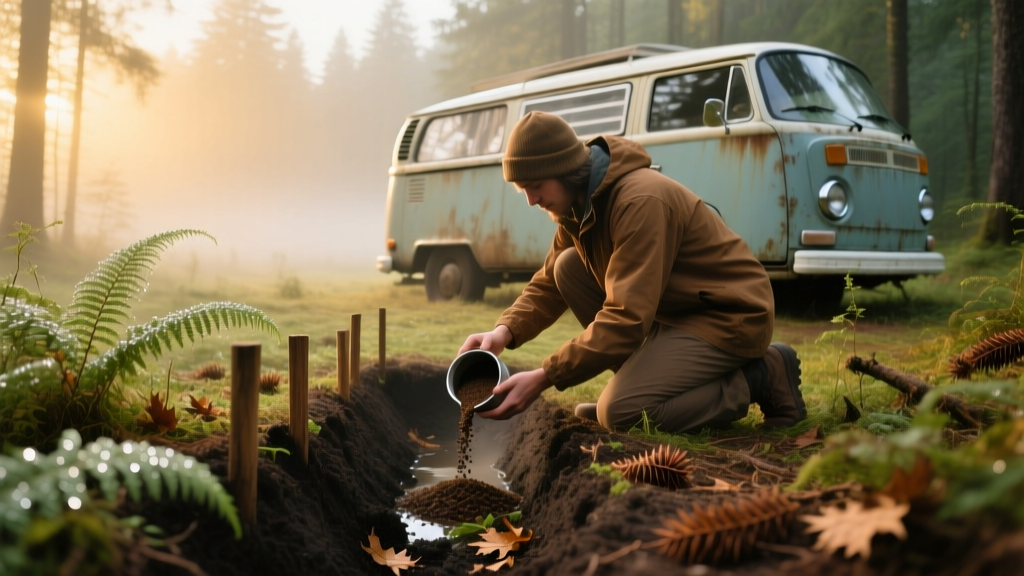
- Trench Composting: Dig a cathole at least 6-8 inches deep and 200 feet away from any water source. Deposit your used espresso puck or AeroPress grounds into the hole, break it up with a stick to accelerate decomposition, and cover it completely.
- The Pack-It-Out Rule: In fragile alpine or desert environments where soil bacteria cannot break down organics quickly, store dried coffee grounds in a dedicated, odor-proof compost bin inside your van until you reach a municipal composting facility.
- Greywater Management: When rinsing your Cafelat Robot or Bellman, use biodegradable, phosphate-free camp soap (like Dr. Bronner's). Scatter the strained greywater over a wide area to prevent localized soil contamination.
Frequently Asked Questions
Can manual espresso makers produce real crema off-grid?
Yes. Crema is the result of emulsifying coffee oils under high pressure (typically 9 bars). Devices like the Cafelat Robot and Wacaco Picopresso easily generate 9+ bars of pressure manually. The key variable is not the machine, but the freshness of your beans. For the best crema on the road, buy whole beans from local roasters and grind them manually with a burr grinder right before extraction.
How do I boil water for manual brewers without draining my van's battery?
The most eco-friendly method is utilizing a dedicated camp stove (propane or biofuel) or a solar-powered induction cooktop if your rig is equipped with a robust lithium-iron-phosphate (LiFePO4) solar array. A simple double-wall insulated thermos can hold water at 95°C for up to 12 hours, allowing you to boil once in the morning and pull multiple shots throughout the day without additional energy expenditure.
Are reusable metal filters bad for coffee flavor?
Reusable stainless steel filters (like those from Able Brewing) allow more coffee oils and micro-fines into your cup compared to paper filters. This results in a heavier, richer body and a more robust mouthfeel, similar to a French Press. If you prefer a clean, tea-like cup, you can use unbleached, compostable paper filters, but you must ensure they are packed out or properly trench-composted to maintain a zero-waste ethos.
Written by
Nina PetrovaNina Petrova holds a Master's degree in Child Development from the Erikson Institute and a B.S. in Nursing from the University of Illinois at Chicago. She worked as a pediatric nurse for 6 years before transitioning to family technology consulting, bringing clinical rigor to her evaluations of kid-friendly gadgets, educational toys, and parental control software. Nina has reviewed over 400 children's tech products, testing each for safety compliance (CPSC and ASTM standards), developmental appropriateness across age groups, screen-time impact, and data privacy practices. She serves on the Children's Technology Review advisory board and has testified before the FTC on children's data protection in connected toys. Her reviews are trusted by parents and educators alike for their evidence-based approach to balancing technology benefits with child safety.