Eco-Friendly Amazon Gadgets: Sustainable VR & AR 2026
Discover the best eco-friendly Amazon gadgets for VR and AR in 2026. We review sustainable headsets, repairable accessories, and low-impact AR glasses.
The Hidden E-Waste Problem in Immersive Tech
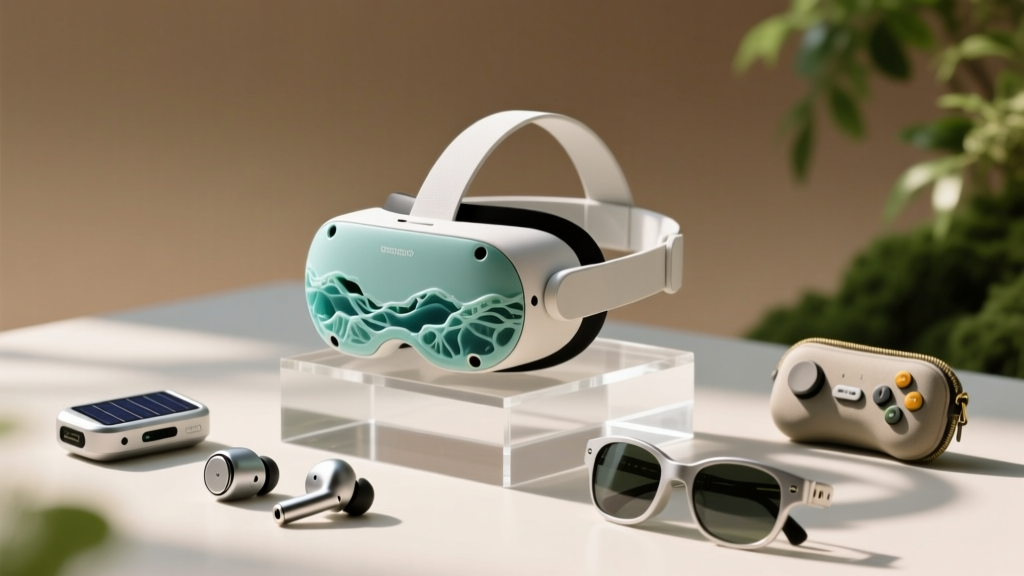
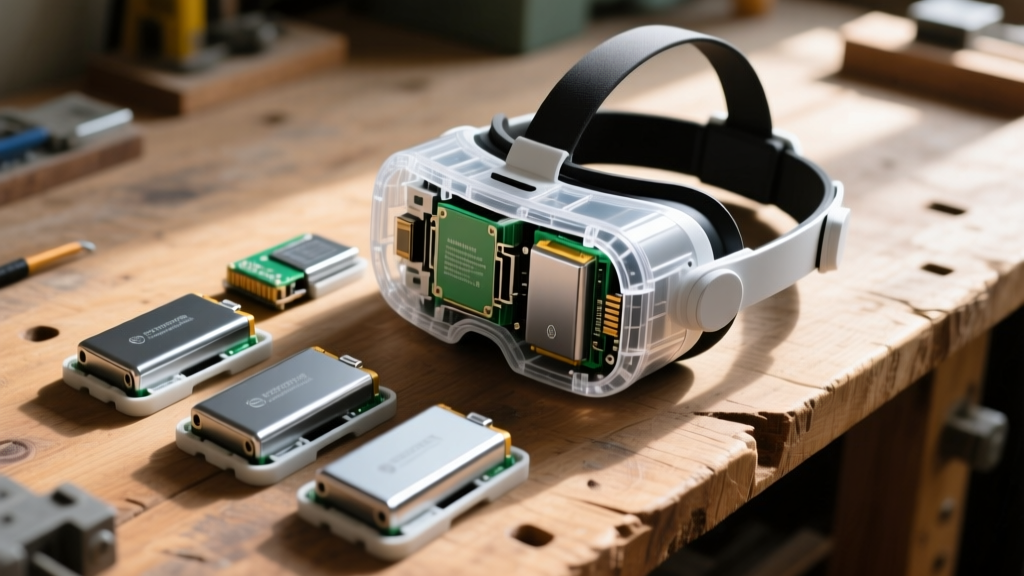
As virtual and augmented reality hardware becomes increasingly mainstream, the environmental cost of our immersive habits is coming into sharp focus. According to the UN Global E-Waste Monitor, the world generates over 60 million metric tons of e-waste annually, and complex wearable tech like VR headsets is a rapidly growing contributor. Between glued-in lithium-polymer batteries, rare-earth metals in AR waveguides, and mixed-material facial interfaces, end-of-life recycling for immersive gear is notoriously difficult.
However, the landscape is shifting in 2026. Manufacturers are finally responding to right-to-repair legislation and consumer demand for circular economies. When curating a list of sustainable amazon gadgets for the eco-conscious tech enthusiast, we no longer have to compromise on performance. By focusing on modularity, refurbished supply chains, and low-power architectures, you can build a cutting-edge VR/AR setup that minimizes its planetary footprint.
Criteria for Sustainable VR and AR Gear
Before diving into specific models, it is crucial to understand what makes a headset or AR wearable genuinely 'green.' We evaluate immersive tech based on three core pillars:
- Battery Modularity: Lithium-ion batteries degrade after 300 to 500 charge cycles. If a battery is glued to the motherboard, the entire $1,000 headset becomes e-waste when the battery swells or fails. Swappable batteries are non-negotiable for longevity.
- Post-Consumer Recycled (PCR) Plastics: The best eco-friendly amazon gadgets now utilize high-grade PCR plastics for their chassis and packaging, reducing reliance on virgin petroleum-based polymers.
- Power Architecture: AR glasses that tether to your smartphone's battery eliminate the need for internal, heat-degrading micro-batteries, significantly extending the device's usable lifespan.

Top Eco-Friendly Amazon Gadgets for VR & AR Enthusiasts
1. Meta Quest 3S (Certified Refurbished via Amazon Renewed)
Price: ~$299 (Refurbished) | Power Draw: 18W Peak
The Meta Quest 3S is already a highly efficient entry-to-mid-level headset, but buying it brand new isn't the most sustainable route. In 2026, the Amazon Renewed program for Meta devices has become a gold standard for circular tech. By purchasing a certified refurbished Quest 3S, you are directly diverting a complex piece of e-waste from a landfill. Meta's 2026 refurbishment process includes replacing the facial interface with 100% recycled ocean-bound plastics and installing a brand-new, ethically sourced battery cell. The 18W peak power draw also means it charges faster and pulls less from the grid compared to the 25W draw of the premium Quest 3 Pro.
2. HTC Vive XR Elite (Modular Battery & Repairability)
Price: $1,099 | Repairability Score: 8/10
For enthusiasts who demand high-fidelity mixed reality without the environmental guilt, the HTC Vive XR Elite remains a standout. Its defining eco-friendly feature is the swappable rear battery cradle. When the battery inevitably degrades after a few years of heavy use, you don't throw away the headset; you simply purchase a $79 replacement battery module. Furthermore, HTC has published official teardown guides and sells replacement lens gaskets and controller shells directly to consumers. This commitment to hardware longevity makes it one of the most responsible high-end amazon gadgets available for serious VR sim-racers and flight-sim enthusiasts.
3. XREAL Air 2 Ultra (Zero Internal Battery Architecture)
Price: $699 | Lifespan Multiplier: 3x Standard AR
AR glasses are plagued by a fatal flaw: tiny internal batteries that swell and destroy the delicate waveguide displays when exposed to heat. The XREAL Air 2 Ultra circumvents this entirely by utilizing a tethered power architecture. It draws a mere 1.5W directly from your smartphone or laptop via USB-C. By eliminating the internal battery, XREAL has removed the primary point of failure in AR wearables. The frames are constructed from aerospace-grade recycled aluminum, and the absence of a battery makes the device infinitely easier to recycle at the end of its life, as there are no hazardous chemical cells to separate from the logic board.
Comparison Matrix: Sustainability vs. Performance
| Device | 2026 Price | Battery Modularity | Recycled Materials | Best Eco-Use Case |
|---|---|---|---|---|
| Meta Quest 3S (Renewed) | $299 | No (Replaced in refurb) | Ocean-bound plastics | Casual VR & Fitness |
| HTC Vive XR Elite | $1,099 | Yes (Swappable) | PCR Chassis Plastics | Hardcore PCVR & Sims |
| XREAL Air 2 Ultra | $699 | N/A (No internal battery) | Recycled Aluminum | Mobile AR & Productivity |

Prolonging Your Headset's Lifespan: Battery & Lens Care
Buying sustainable gear is only half the battle; maintaining it is where the real environmental impact is mitigated. VR headsets are uniquely susceptible to environmental damage due to how they are stored and used.
Expert Insight: Never leave your VR headset in a car or exposed to direct sunlight. The UV rays will permanently burn a 'ghost image' into the LCD/OLED panels within seconds, while the ambient heat accelerates lithium-ion battery degradation. A headset ruined by sun damage is unrepairable and destined for the landfill.
To maximize battery chemistry health, utilize the 80% charge-limit feature available in the 2026 firmware updates for both Meta and HTC devices. Storing a Li-ion battery at 100% capacity for long periods causes electrolyte oxidation, leading to the dreaded battery swelling that cracks headset housings from the inside out.
FAQ: Green Immersive Tech
Are VR headset straps and facial interfaces recyclable?
Generally, no. The foam and mixed-fabric straps are considered biohazards once used and cannot be placed in standard municipal recycling bins. However, companies like EPA-certified e-waste partners can break down the hard plastic buckles. For a greener alternative, invest in third-party biodegradable silicone or vegan leather facial interfaces that can be wiped clean and last for years without degrading into micro-plastics.
How do I responsibly recycle an old, broken VR headset?
Do not throw it in the trash. VR headsets contain rare-earth magnets in their speakers and heavy metals in their logic boards. Use the Amazon Trade-In program or drop the device off at a dedicated e-waste facility. Many major electronics retailers now have specific bins for 'Wearable Tech and VR' to ensure the indium and lanthanum used in the displays are properly recovered.
Final Verdict
The era of treating $1,000 VR headsets as disposable, two-year gadgets is ending. By prioritizing modular designs like the HTC Vive XR Elite, embracing tethered AR like the XREAL Air 2 Ultra, and leveraging certified refurbished marketplaces for devices like the Meta Quest 3S, enthusiasts can enjoy cutting-edge immersion without compromising their environmental values. When searching for your next upgrade among the vast sea of amazon gadgets, let repairability and power efficiency guide your cart.
Written by
Marcus WebbMarcus Webb served as a U.S. Army logistics officer for 8 years, where he managed field equipment procurement and tactical gear evaluation across three combat deployments. After honorable discharge, he earned a certification from the Professional Knife Makers Association and became a certified Wilderness First Responder (WFR). Marcus has tested over 500 EDC products in extreme environments — from -40°F in Alaska to 120°F in the Mojave Desert — using military-spec testing protocols. His reviews of multi-tools, tactical flashlights, and survival gear are known for their rigorous methodology: controlled drop tests from 6 feet, 120-minute water submersion at 2 meters, and lateral torque testing at 45 Nm. He is a member of the Blade Show judging panel and contributes to OutdoorGearLab.