Top Travel Gadget Gifts for Frequent Flyers in 2026
Discover the top travel gadget gifts for 2026. From smart luggage trackers to 140W GaN chargers, find perfect tech presents for frequent flyers.
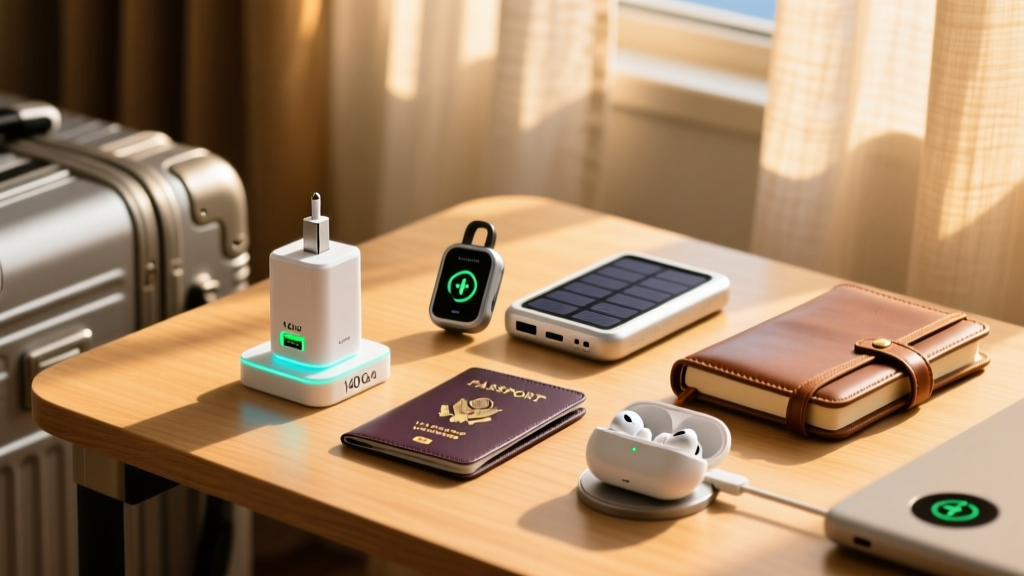
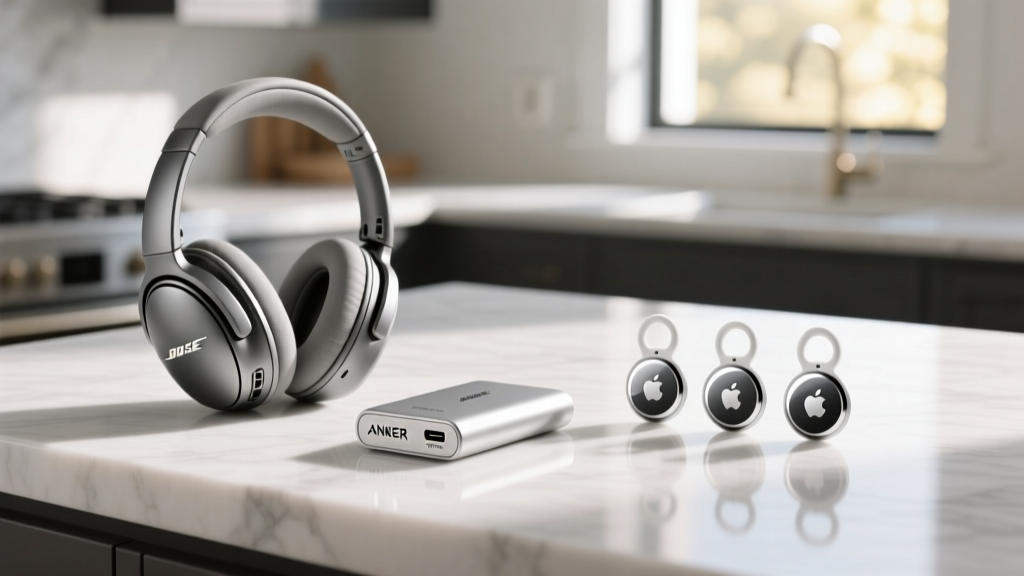
The 2026 Gifting Matrix: Match the Tech to the Traveler
Buying gifts for frequent flyers requires navigating a minefield of airline restrictions, varying international voltages, and the sheer reality that most seasoned travelers already own the basics. In 2026, the best travel gadget gifts solve specific friction points: dead laptops during layovers, lost checked luggage, and deep-vein thrombosis-inducing economy seats. To help you choose, we have categorized the top-tier tech gifts based on the recipient's specific travel profile.
| Traveler Profile | Primary Pain Point | Top Gadget Category | Specific Model Recommendation |
|---|---|---|---|
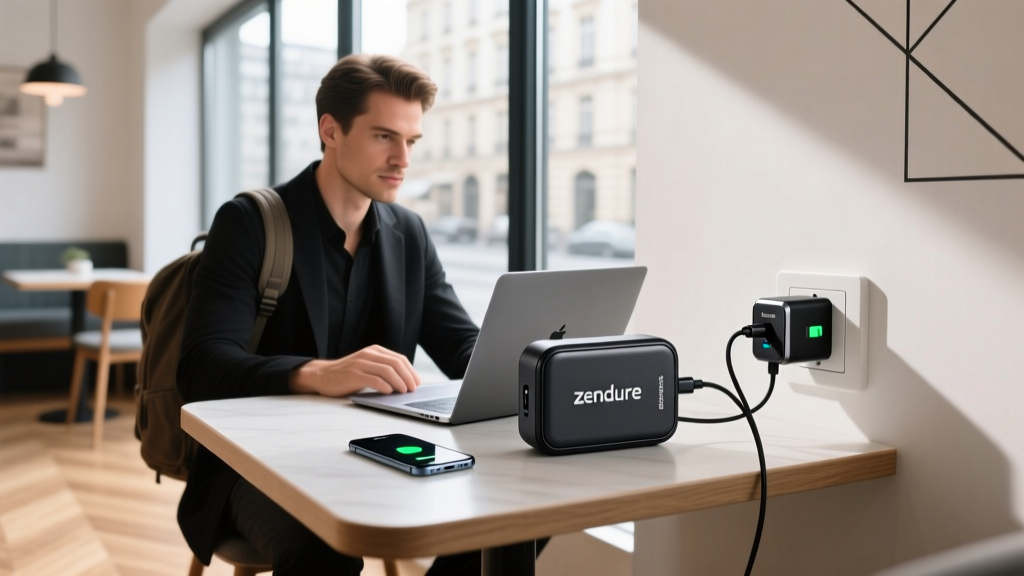
| The Digital Nomad | Charging multiple high-draw devices | High-Wattage GaN Adapter | Zendure Passport IV (140W) |
| The Road Warrior | Airline luggage mishandling | Precision UWB Tracker | Apple AirTag (4-Pack) |
| The Long-Haul Flyer | Cabin noise and neck strain | ANC Headphones & Ergonomic Pillow | Bose QC Ultra & Trtl Pillow Plus |
| The Weekend Warrior | Dead phones during transit | High-Capacity Power Bank | Anker Prime 27,650mAh (250W) |
Power Delivery (PD) 3.1: Solving the Multi-Device Dilemma
The era of carrying three separate charging bricks is over. With the widespread adoption of the USB-C Power Delivery 3.1 standard, a single travel gadget can now output enough wattage to fast-charge a 16-inch laptop, a tablet, and a smartphone simultaneously. When gifting power accessories, you must pay strict attention to Watt-hour (Wh) ratings to ensure the recipient can legally bring the device aboard an aircraft.
Anker Prime 27,650mAh (250W) Power Bank
For the traveler who refuses to sit near an airport wall outlet, the Anker Prime is the current gold standard. It features a massive 250W total output, capable of sending 140W to a single laptop port while splitting the remaining 110W across two other USB-C ports. Crucially, its 27,650mAh capacity translates to roughly 99.5Wh. This places it just under the strict 100Wh limit set by the FAA and international aviation authorities for carry-on lithium batteries. Priced around $179, it includes a smart digital display showing exact input/output wattages and remaining runtime, eliminating the guesswork of traditional LED indicator lights.
Zendure Passport IV (140W GaN)
Universal adapters are a common gift, but most max out at 65W or 100W. The Zendure Passport IV utilizes Gallium Nitride (GaN) technology to push 140W through a single port while maintaining a relatively compact footprint. It includes an auto-resetting 10A fuse and works in over 200 countries. Unlike older mechanical adapters that spark when the plug prongs are deployed, the Passport IV uses a motorized, button-activated slider mechanism that feels premium and prevents accidental pinching. At $119, it is the definitive wall-charger upgrade for international business travelers.
Luggage Tracking: Navigating UWB and Anti-Stalking Edge Cases
Airlines mishandled millions of bags last year, making Bluetooth and Ultra-Wideband (UWB) trackers an essential travel gadget gift. However, gifting these requires understanding the anti-stalking protocols built into modern smartphones, which can inadvertently disable the tracker's usefulness.
Apple AirTag vs. Samsung SmartTag2
If the recipient uses an iPhone, the Apple AirTag ($29 each, or $99 for a four-pack) is mandatory. Its UWB chip allows for "Precision Finding," directing the user to the exact carousel or baggage office door with spatial arrows. For Android users, the Samsung SmartTag2 ($29) offers a similar UWB experience and a built-in ring loop, making it easier to attach to zipper pulls without buying third-party silicone cases. Both devices rely on crowdsourced networks (Apple's Find My and Samsung's SmartThings Find) to ping locations when out of direct Bluetooth range.
Both Apple and Samsung have implemented anti-stalking features that alert users if an unknown tracker is moving with them. If a bag is delayed and separated from the owner for more than 8 to 24 hours, the AirTag will begin emitting a loud chirping sound to alert anyone nearby, potentially compromising the bag's security. To mitigate this, frequent flyers should pair the AirTag with a secondary, passive tracking method like a Dynotag Smart QR Luggage Tag ($12), which requires no batteries and relies on a Good Samaritan scanning the tag to trigger a GPS location ping to the owner.
In-Transit Ergonomics: Beyond Standard Memory Foam
Economy class seats have not increased in pitch, but the technology we use to survive them has evolved significantly. Gifting comfort gear means moving away from bulky, sweat-inducing memory foam and toward advanced materials and active noise cancellation.
Bose QuietComfort Ultra Headphones
While Sony and Sennheiser offer fierce competition, the Bose QuietComfort Ultra ($429) remains the top travel gadget gift for frequent flyers due to its specific clamping force and spatial audio. The clamping pressure is calibrated to provide an excellent passive seal without causing jaw fatigue during 14-hour flights. Furthermore, Bose's "Immersive Audio" mode processes stereo tracks into spatial audio, which reduces the listening fatigue associated with the dry, pressurized cabin environment. The battery lasts a verified 24 hours with ANC enabled, easily covering a flight from New York to Singapore with a layover.
Trtl Pillow Plus
Traditional U-shaped neck pillows force the chin forward, leading to cervical strain. The Trtl Pillow Plus ($59.99) abandons the U-shape entirely. It utilizes a hidden, adjustable aluminum support rib wrapped in hypoallergenic foam and a soft fleece scarf. The user positions the rigid rib against their shoulder and leans their head sideways, allowing the neck muscles to fully relax. The "Plus" version features an adjustable height mechanism, accommodating travelers of different statures and preventing the head from slipping off the support during REM sleep.

The Compliance Checklist: What You Cannot Put in Checked Bags
When gifting tech, you must educate the recipient on aviation safety regulations. The Federal Aviation Administration (FAA) and the International Air Transport Association (IATA) maintain strict rules regarding lithium-ion batteries due to the risk of thermal runaway in the cargo hold, where fire suppression systems are less effective than in the cabin.
- Spare Lithium Batteries & Power Banks: According to FAA PackSafe guidelines, all spare lithium batteries and portable chargers (like the Anker Prime mentioned above) must be carried in the cabin. They are strictly prohibited in checked luggage.
- Watt-Hour Limits: Batteries between 100Wh and 160Wh require explicit airline approval, and passengers are generally limited to two of these larger spare batteries. Anything over 160Wh is banned on passenger aircraft entirely.
- Smart Luggage: If gifting a smart suitcase with built-in GPS and motorized locks, ensure the internal battery is easily removable. The IATA lithium battery regulations dictate that if the bag is gate-checked, the battery must be removed and taken into the cabin.
- TSA Locks: When gifting luggage accessories, always verify they feature TSA-accepted locks. Non-TSA locks will be cut off by security agents if a physical bag inspection is required, ruining the gift and the suitcase.
By focusing on high-wattage GaN charging, UWB precision tracking, and ergonomic cabin survival gear, you can provide a travel gadget gift that actively improves the recipient's journey rather than just adding weight to their carry-on.
Written by
Tom ReynoldsTom Reynolds holds a CFA (Chartered Financial Analyst) designation and a B.S. in Finance from the University of Texas at Austin. Before entering tech journalism, he spent 6 years as a quantitative analyst at a hedge fund, building cost-benefit models for consumer product investments. Tom has maintained a proprietary database of over 10,000 tech deals for the past 8 years, developing his signature "penny-per-feature" evaluation framework that calculates the true value proposition of every gadget. His budget gadget reviews are known for their financial rigor — he tracks price history across 15+ retailers, calculates cost-per-use over 3-year lifespans, and identifies the exact inflection point where premium features justify their markup. Tom's deal alerts have saved his readers an estimated .3 million since 2018.