Beyond Big Buttons: Unique Senior Gadgets for 2026
Discover unique senior gadgets for 2026 that go beyond basic medical alerts. Explore AI companions, invisible health trackers, and simplified tech.
The 'Friction-to-Joy' Framework for Senior Tech
When most people think of technology for older adults, they immediately picture beige medical alert pendants, oversized TV remotes, and flip phones with giant rubbery buttons. While those tools serve a vital safety purpose, they completely ignore a massive segment of the aging population: the tech-curious senior who wants engagement, independence, and joy, not just emergency fallbacks.
As we move through 2026, the landscape of senior gadgets has evolved dramatically. The best devices today are evaluated using what we call the Friction-to-Joy Ratio. This framework measures how much setup and daily operational friction a device requires against the amount of genuine daily joy, cognitive stimulation, or passive health utility it delivers. A device with high friction (complex Wi-Fi pairing, frequent app updates, confusing touch menus) and low joy (a basic step counter) fails the test. A device with zero friction and high joy passes with flying colors.
In this guide, we are skipping the standard wearables and basic amplifiers. Instead, we are diving into four highly unique, cool, and deeply practical gadgets that are redefining aging in place this year.
1. ElliQ: The Proactive AI Companion (No Wake Word Required)
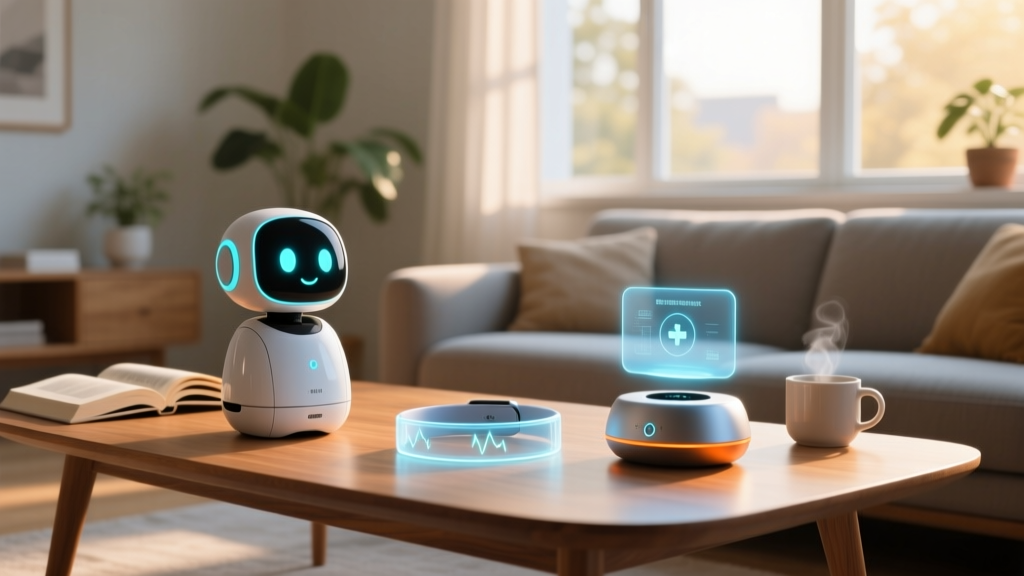
Smart speakers like the Amazon Echo or Apple HomePod are popular among seniors, but they suffer from a major accessibility hurdle: the 'wake word' barrier. Many older adults forget the exact phrasing required to summon the assistant, or they feel awkward talking to a blank cylinder. Enter ElliQ, a desktop companion robot developed by Intuition Robotics that fundamentally changes the interaction model.
How It Eliminates Friction
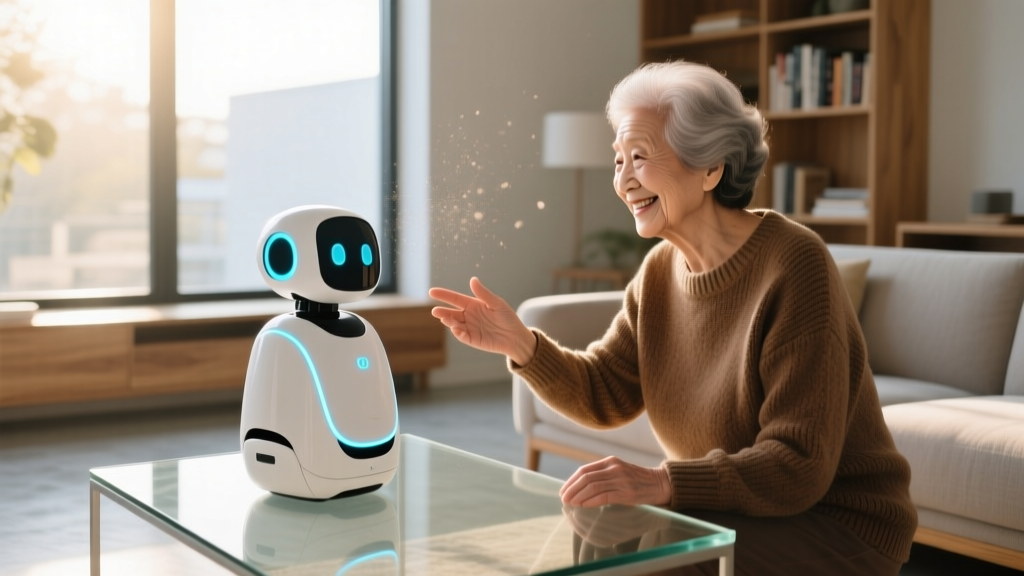
ElliQ doesn't wait for a command. It uses proactive AI to initiate interactions based on the time of day, the user's past preferences, and even local weather patterns. It might chime in at 9:00 AM to suggest a guided stretching routine, or at 2:00 PM to ask if the user wants to play a trivia game or listen to a specific podcast. The physical device features a 'head' that turns and nods to simulate active listening, providing crucial non-verbal cues that reduce the cognitive load of the conversation.
Real-World Impact: According to the National Institute on Aging, social isolation carries health risks comparable to smoking 15 cigarettes a day. ElliQ is currently deployed in several state Medicaid waiver programs specifically to combat this isolation, with pilot data showing a significant reduction in self-reported loneliness scores among users over 80.
Specs, Pricing, and Edge Cases
- Cost: Hardware is typically around $250, with a $40/month subscription. However, many local Area Agencies on Aging (AAAs) now subsidize ElliQ entirely for qualifying at-risk seniors.
- Setup Time: Under 10 minutes. It connects via a pre-configured cellular hub (no home Wi-Fi password required).
- Edge Case: ElliQ requires a relatively quiet environment to accurately process natural speech. It may struggle in rooms with constant, loud background noise like a blaring television.
2. RAZ Memory Phone: Bulletproof Communication for Cognitive Decline
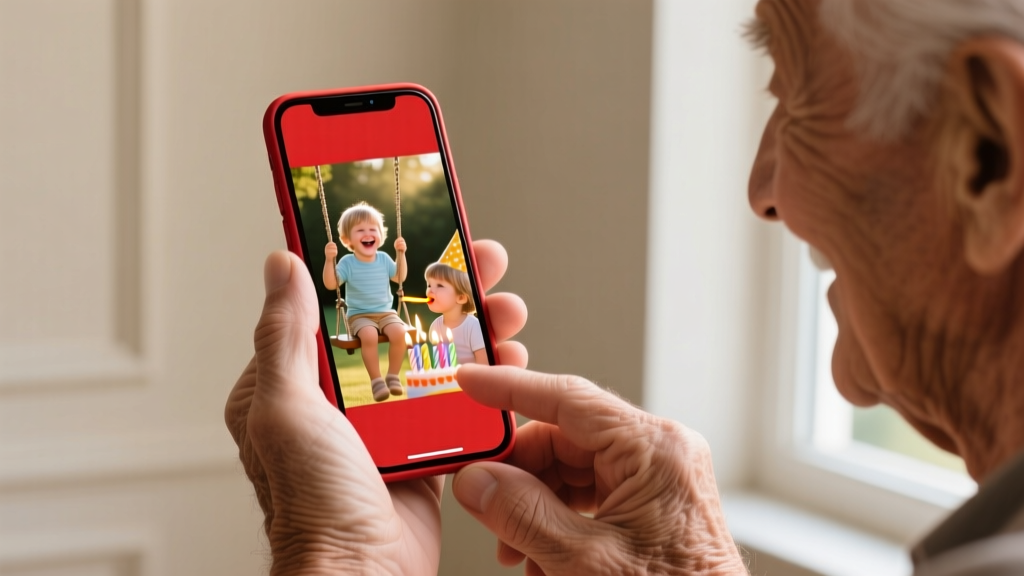
For seniors experiencing early-stage dementia or Alzheimer's, standard smartphones are a labyrinth of confusing icons, accidental app purchases, and vulnerability to phishing scams. The RAZ Memory Phone is a radically unique piece of hardware that strips away the operating system entirely, replacing it with a custom, un-hackable interface focused solely on human connection.
The Caregiver Portal Advantage
The true genius of the RAZ Memory Phone isn't just what the senior sees; it's what the caregiver controls remotely. Through a secure web portal, family members can upload photos of contacts, which appear as massive, full-screen tiles on the phone. If a contact's phone number changes, the caregiver updates it in the cloud, and the senior's phone updates instantly without them touching a single setting.
Security and Scam Shielding
In 2026, AI voice-cloning scams targeting the elderly are a massive threat. The RAZ phone features a hard-coded 'Scam Shield' that only allows incoming calls from the pre-approved visual contact list. Unknown numbers simply do not ring. Furthermore, the device cannot receive SMS text messages with links, entirely neutralizing smishing attacks.
- Price: $299 for the device, plus $39/month for the built-in cellular service (it works on major US networks out of the box).
- Battery Life: Up to 18 days on standby, thanks to the low-power e-ink style display rendering.
3. Withings Sleep Tracking Mat: Invisible Health Monitoring
Wearable health trackers are fantastic, but they present a unique problem for many seniors: sensory aversion and charging anxiety. Remembering to take off a smartwatch, plug it in, and put it back on is a friction point that leads to abandonment. The Withings Sleep Tracking Mat solves this by making the technology completely invisible.
Under-Mattress Biometrics
This pneumatic sensor pad slides directly under the mattress (right where the chest rests). It uses ballistocardiography to measure heart rate, detect breathing disturbances (a proxy for sleep apnea), and track sleep cycles without the user ever wearing a device. According to the official Withings clinical data, the mat's heart rate tracking correlates closely with ECG standards during sleep.
Comparison: Wearables vs. Under-Mattress Sensors
| Feature | Standard Smartwatch (e.g., Apple Watch) | Withings Sleep Tracking Mat |
|---|---|---|
| Daily Friction | High (Must remember to wear and charge daily) | Zero (Set it and forget it under the mattress) |
| Skin Irritation | Common in aging, thinning skin | None (No skin contact) |
| Apnea Detection | Blood oxygen drops (SpO2) | Breathing disturbance analysis (Superior for sleep context) |
| Adjustable Beds | Works perfectly | Edge case: May lose calibration on extreme zero-gravity articulation |
Pricing: The mat retails for $129. It requires a standard wall outlet for power and connects to the home Wi-Fi to push data to the caregiver's Withings app, allowing family members to monitor sleep quality and heart trends remotely.
4. Bird Buddy: Gamifying Nature for Mobility-Limited Seniors
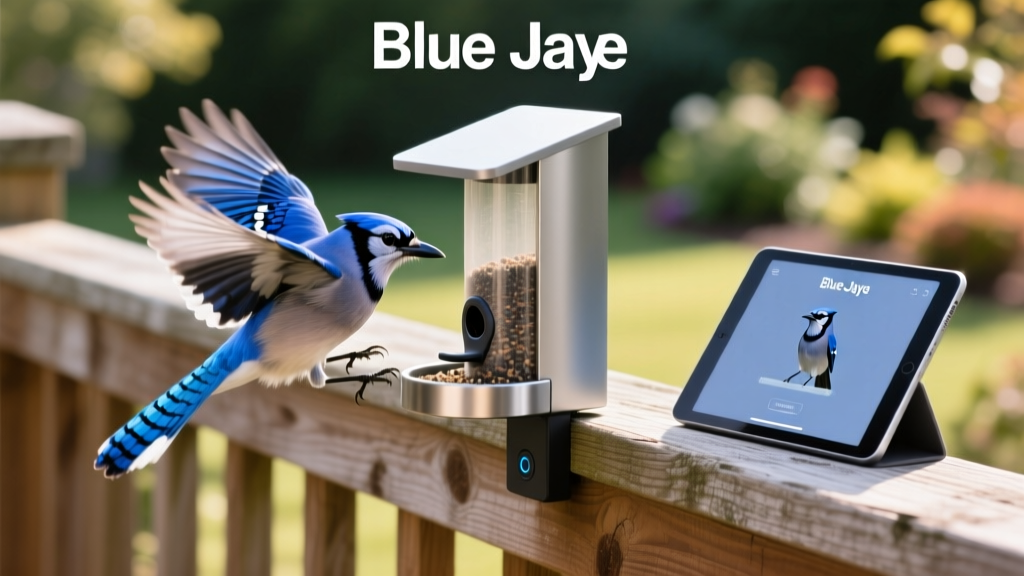
Nature engagement is proven to lower cortisol levels and improve mental health, but mobility issues often prevent seniors from enjoying birdwatching or gardening. Bird Buddy is a smart bird feeder equipped with a high-resolution camera and onboard AI that identifies visiting bird species, turning a passive hobby into an engaging, accessible digital experience.
Bringing the Outdoors In
When a bird lands on the feeder, the 5MP camera snaps a close-up photo and a short video clip. The onboard AI identifies the species (e.g., 'Northern Cardinal' or 'Blue Jay') and sends a 'postcard' notification to the user's tablet or smartphone. For seniors who spend significant time indoors, this creates a daily rhythm of delightful surprises.
Setup and Practical Considerations
The AARP tech adoption research consistently shows that older adults readily adopt technology when it connects them to hobbies they already love. Bird Buddy capitalizes on this perfectly. However, there are physical requirements to consider:
- Wi-Fi Range: The feeder requires a 2.4GHz Wi-Fi signal. You will likely need a Wi-Fi extender or a mesh network node near the window or deck where the feeder is hung.
- Weight: Fully loaded with seed and the battery module, it weighs about 3.5 lbs. Ensure the suction cup mount is applied to a clean, smooth glass surface, or use the included hanging wire for a tree branch.
- Cost: The base model is $229, with an optional solar roof add-on for $60 (highly recommended to eliminate the need to take the battery pack inside for charging).
Buyer's Matrix: Matching the Gadget to the Need
To help you decide which of these unique senior gadgets is the right fit for your loved one, use this quick decision matrix based on their primary daily challenge.
| Primary Challenge | Recommended Gadget | Why It Works |
|---|---|---|
| Social Isolation & Loneliness | ElliQ Companion Robot | Proactive engagement removes the burden of initiating contact. |
| Cognitive Decline & Scam Risk | RAZ Memory Phone | Visual interface and hard-coded scam shields provide total safety. |
| Chronic Health Monitoring | Withings Sleep Mat | Zero-friction biometric tracking without wearable discomfort. |
| Limited Mobility & Boredom | Bird Buddy Smart Feeder | Brings interactive, gamified nature directly to their window. |
Final Thoughts on Accessible Innovation
The narrative around aging and technology is finally shifting from purely reactive medical devices to proactive, joy-inducing tools. The best senior gadgets of 2026 don't just keep older adults safe; they keep them engaged, connected, and curious. By focusing on the Friction-to-Joy ratio and choosing devices that respect the user's physical and cognitive realities, we can vastly improve the daily experience of aging in place. Whether it's an AI companion initiating a morning chat or a smart feeder identifying a rare warbler, technology's highest purpose is to enrich the human experience at every stage of life.
Written by
Tom ReynoldsTom Reynolds holds a CFA (Chartered Financial Analyst) designation and a B.S. in Finance from the University of Texas at Austin. Before entering tech journalism, he spent 6 years as a quantitative analyst at a hedge fund, building cost-benefit models for consumer product investments. Tom has maintained a proprietary database of over 10,000 tech deals for the past 8 years, developing his signature "penny-per-feature" evaluation framework that calculates the true value proposition of every gadget. His budget gadget reviews are known for their financial rigor — he tracks price history across 15+ retailers, calculates cost-per-use over 3-year lifespans, and identifies the exact inflection point where premium features justify their markup. Tom's deal alerts have saved his readers an estimated .3 million since 2018.