Top Stress Relief Gadgets for Adults: 2026 Gift Guide
Discover the best stress relief gadgets for adults in our 2026 gift guide. Find top-rated mindfulness tech, sleep aids, and tension tools for every budget.
Beyond Bath Bombs: The Science of Tech-Enabled Recovery
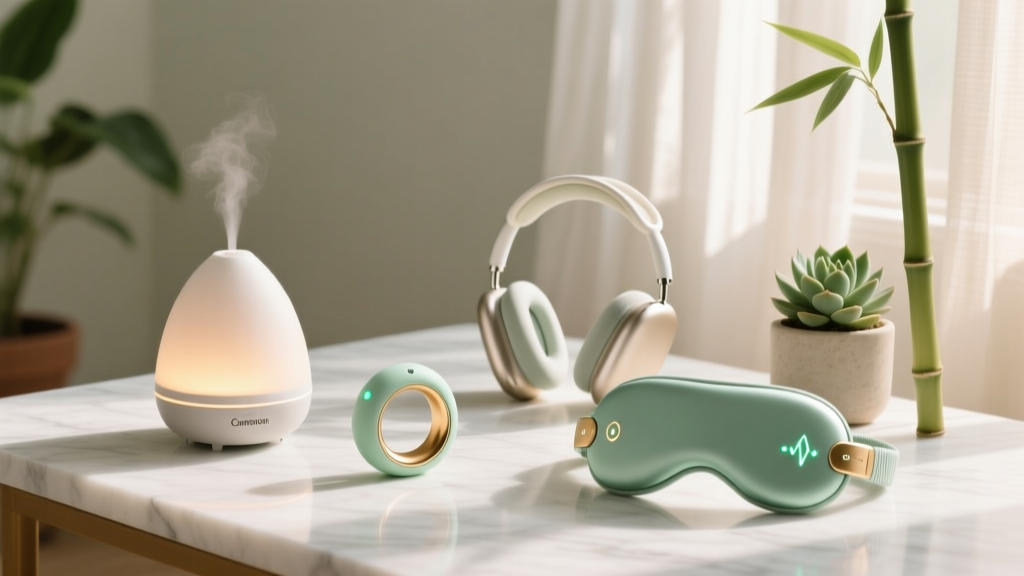
When shopping for wellness gifts, it is easy to default to scented candles or plush robes. However, chronic cortisol elevation requires more than passive comfort; it demands active autonomic nervous system regulation. According to the American Psychological Association, prolonged stress physically alters cardiovascular and immune responses, making targeted, biometric-driven interventions highly effective. The best stress relief gadgets for adults in 2026 do not just mask tension—they use neurofeedback, infrasonic resonance, and haptic therapy to manually shift the body from a sympathetic (fight-or-flight) state to a parasympathetic (rest-and-digest) baseline.
This guide cuts through the wellness marketing fluff to evaluate the hardware specifications, hidden subscription costs, and clinical efficacy of the top recovery devices on the market. Whether you are gifting a burnt-out executive, an anxious new parent, or a biohacker optimizing their heart rate variability (HRV), these selections offer measurable physiological relief.
Apollo Neuro 4: Haptic Vagus Nerve Stimulation
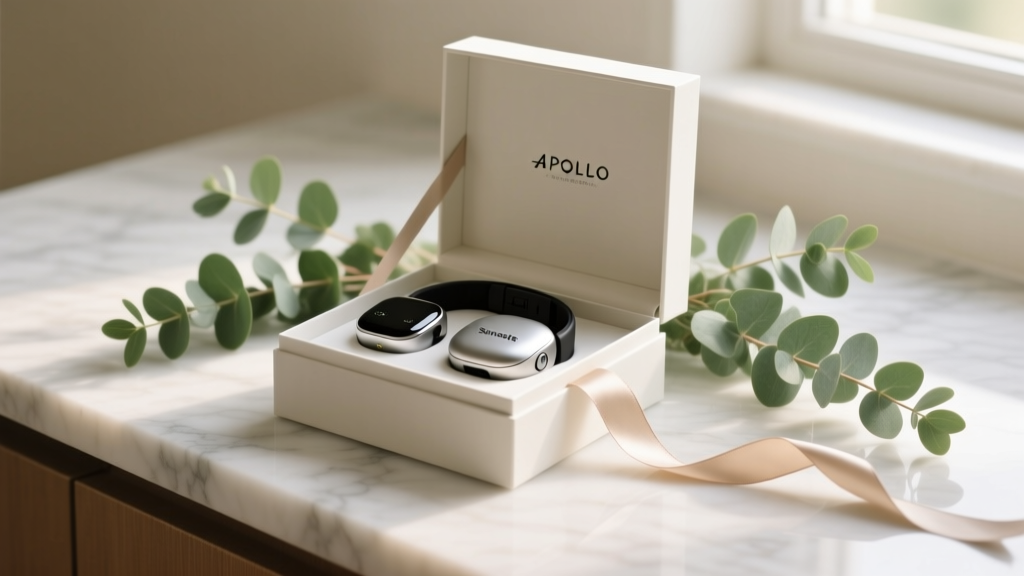
The Apollo Neuro 4 ($399) is a wearable that bypasses cognitive effort entirely. Instead of asking the user to breathe deeply or focus on a screen, it uses silent, low-frequency haptic vibrations to stimulate the vagus nerve through the skin. Clinical trials indicate that the Apollo's proprietary 3-11Hz vibration patterns can improve HRV by up to 11% in just 30 days.
Hardware and Ecosystem
- Form Factor: Worn on the wrist or ankle via a hypoallergenic silicone band, or clipped to clothing.
- Battery Life: 72 hours on a single charge (USB-C).
- Sensors: Optical heart rate sensor and accelerometer to track HRV and sleep architecture passively.
- App Subscription: The core vibration modes (Focus, Relax, Sleep) are free. Apollo Premium ($9.99/month) unlocks automated 'Smart Rhythms' that adjust vibrations based on real-time biometric stress spikes.
Muse S Gen 2: EEG Neurofeedback and Sleep Coaching
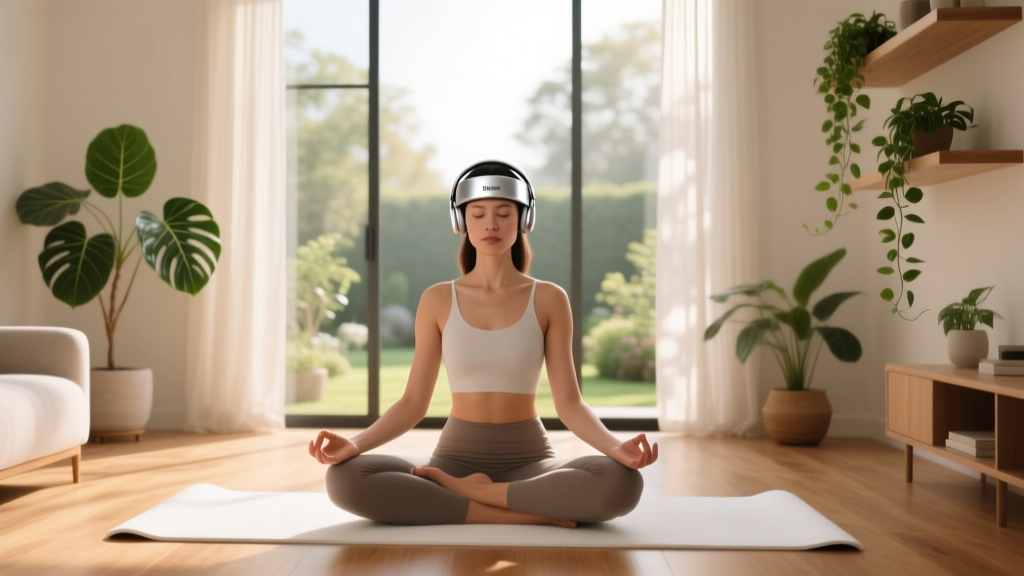
While most wearables track what your body is doing, the Muse S Gen 2 ($399) measures what your brain is doing. Utilizing dry electroencephalogram (EEG) sensors sampling at 256Hz, this soft fabric headband reads electrical brain activity in real-time to provide auditory neurofeedback during meditation and detailed sleep staging at night.
How the Neurofeedback Loop Works
During a mindfulness session, the Muse app translates brainwave data into weather soundscapes. If your mind wanders and beta waves spike, you hear stormy weather. When you achieve a focused, alpha-wave dominant state, the audio shifts to calm, clear skies. This immediate biofeedback loop trains the brain to recognize and replicate states of calm, effectively improving heart rate variability and emotional regulation over time.
The Hidden Costs of Brain Data
The hardware is exceptionally comfortable for side-sleepers, but the value is locked behind the Muse Premium app subscription ($99/year). Without it, users only get basic guided meditations and lose access to the granular sleep architecture data (REM, Deep, Light stages) and the 'Digital Sleeping Pill' feature, which uses binaural beats to induce delta-wave sleep.
Sensate 2: Infrasonic Bone Conduction Therapy
The Sensate 2 ($399) takes a radically different approach to somatic stress relief. Shaped like a smooth river stone, it rests on the user's chest (over the sternum) and emits infrasonic sound waves (30-110Hz). These low frequencies travel through bone conduction, directly massaging the vagus nerve and triggering a deep parasympathetic response without the need for headphones or screens.
Technical Specifications
- Resonance Engine: Custom linear motor designed to output sub-bass frequencies that are felt rather than heard.
- Audio Pairing: Connects via Bluetooth to the Sensate app, which pairs specific infrasonic frequencies with ambient soundscapes (e.g., 40Hz for deep focus, 60Hz for anxiety relief).
- Session Length: Optimized for 10 to 20-minute sessions. Longer use can cause mild chest fatigue due to the intensity of the bone conduction.
- Subscription: None. The full library of soundscapes and frequency protocols is entirely free, making it a highly cost-effective long-term gift.
Hatch Restore 2: Circadian Architecture and Smart Wake
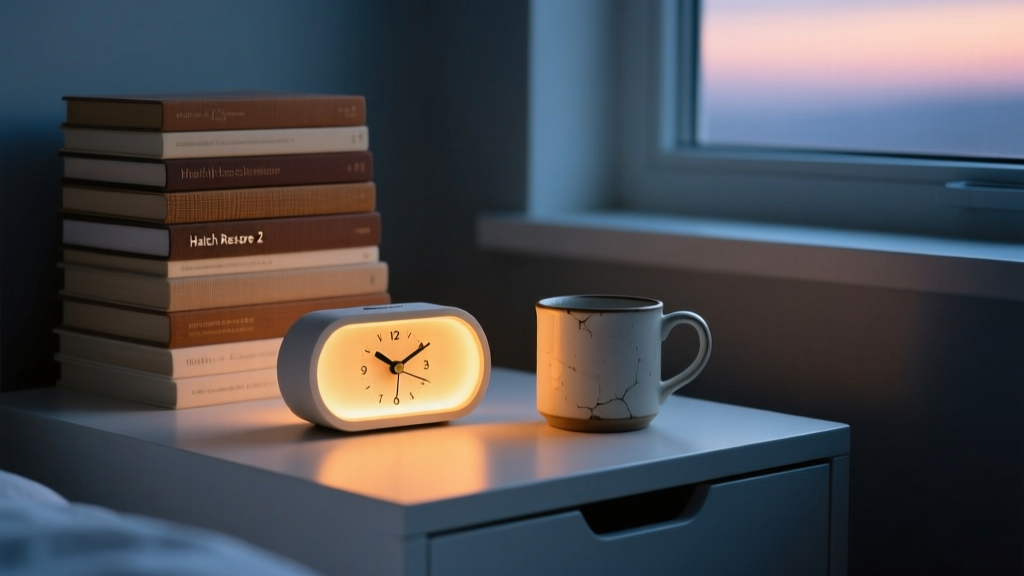
Sleep deprivation is a primary amplifier of psychological stress. The Hatch Restore 2 ($199) is not just a sound machine; it is a circadian rhythm management tool. It utilizes a specialized LED array that emits less than 1% blue light in its sunset modes, preventing melatonin suppression during the critical two hours before bed.
Key Features for the Stressed Sleeper
The 'Smart Alarm' feature is the standout for anxious adults. Instead of a jarring audio alarm that spikes morning cortisol, the Restore 2 uses a gradual 30-minute light simulation (ramping from 0 to 250 lux) to trigger a natural cortisol awakening response (CAR). Combined with its adaptive sound masking—which automatically adjusts white noise volume to drown out sudden environmental disruptions like traffic or snoring—it creates a fortress of sleep hygiene.
Recipient Profile Matrix: Matching the Gadget to the Need
Not all stress manifests the same way. Use this decision matrix to select the precise tool for your recipient's specific physiological bottleneck.
| Recipient Stress Profile | Ideal Gadget | Primary Mechanism | Base Price |
|---|---|---|---|
| Racing mind, inability to 'switch off' post-work | Apollo Neuro 4 | Haptic vagus nerve pacing | $399 |
| Wants to build a daily meditation habit but lacks focus | Muse S Gen 2 | EEG auditory neurofeedback | $399 |
| Physical chest tension, somatic anxiety, screen fatigue | Sensate 2 | Infrasonic bone conduction | $399 |
| Morning anxiety, fragmented sleep, circadian disruption | Hatch Restore 2 | Lux-regulated light therapy | $199 |
The 'No-Implication' Gifting Rule
When gifting stress relief gadgets for adults, framing is everything. Never present these devices with the implication that the recipient 'looks stressed' or 'needs to fix their mental health.' Instead, frame the gift around performance recovery, biohacking, or optimizing sleep architecture. Positioning the gadget as a tool for elite recovery rather than a cure for a deficit ensures the gift is received as an upgrade to their lifestyle, not a critique of their current state.
Final Considerations for the 2026 Buyer
The wellness technology sector has matured significantly, moving past novelty and into clinically validated territory. When making your final selection, always factor in the recurring software costs. A $399 device that requires a $120 annual subscription might not be the right choice for a casual user, whereas the subscription-free Sensate 2 offers immense long-term value. By matching the specific biometric intervention to the recipient's unique stress phenotype, you can provide a gift that actively rewrites their nervous system's response to daily pressures.
Written by
Ryan TanakaRyan Tanaka holds a B.S. in Mechanical Engineering from Oregon State University and is a certified AWS Solutions Architect. He has built over 80 custom electronics projects ranging from CNC machines to IoT sensor networks, and has reviewed development boards, 3D printers, soldering equipment, and maker tools for the past 6 years. Ryan is an active contributor to 12 open-source hardware projects on GitHub and teaches monthly workshops at three hackerspaces across the Pacific Northwest. His reviews combine engineering rigor with accessibility — he evaluates products not just on specs but on documentation quality, community support, and learning curve for beginners. He has presented at Maker Faire Bay Area, Open Hardware Summit, and the Adafruit community showcase, and maintains a popular blog documenting his build processes.