8 Budget Men's Gadget Gift Ideas Under $50 for 2026
Discover 8 budget men's gadget gift ideas under $50 for 2026. High-utility tech, EDC tools, and smart gear that feel premium without the high price tag.
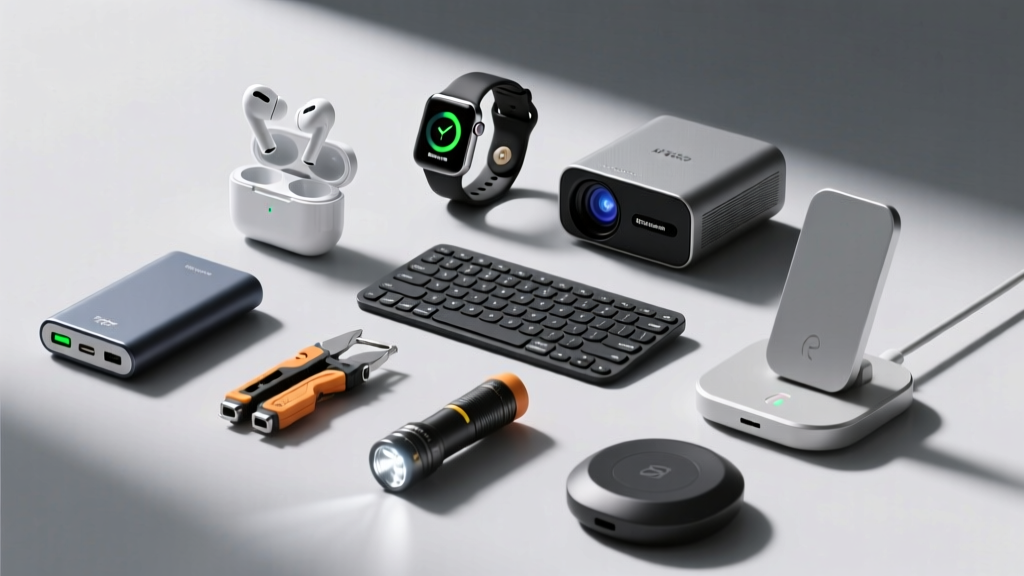
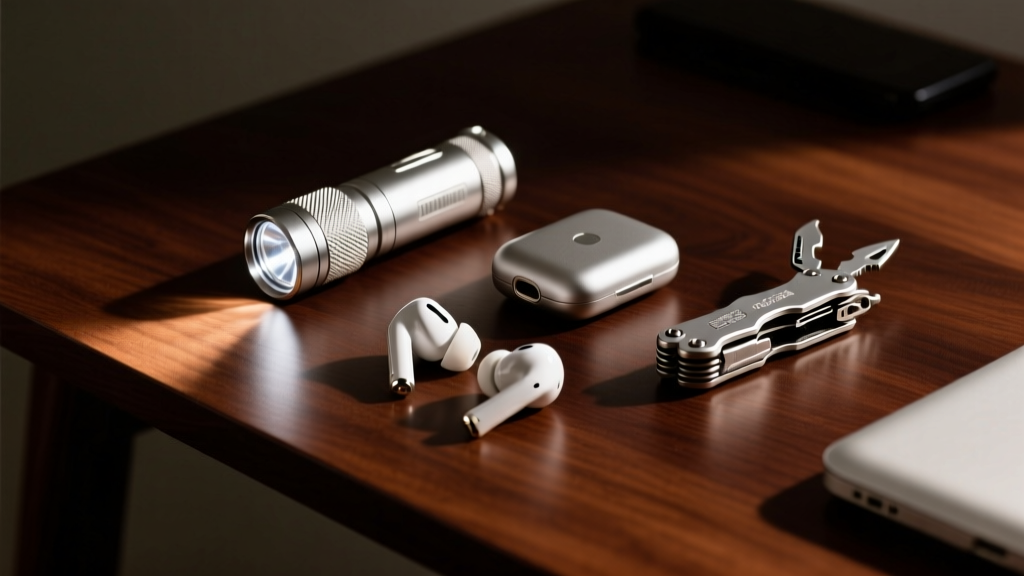
The Under 50 Dollar Gifting Framework
Finding gifts under the $50 threshold often leads to a compromise: you either buy a low-tier version of a premium product or a high-tier version of a niche novelty item. Neither strategy works well for tech enthusiasts. According to recent consumer spending analyses by the National Retail Federation, shoppers are increasingly prioritizing daily utility and engagement over sheer brand prestige. When searching for men's gadget gift ideas that won't break the bank, the secret is targeting 'category kings'—accessories and micro-gadgets where $30 to $50 buys the absolute best-in-class model, rather than the disappointing entry-level model of a more expensive category.
The following roundup focuses strictly on high-perceived-value items. These are gadgets built with premium materials (like aerospace aluminum and Hall-effect sensors) or featuring cutting-edge 2026 connectivity standards (like Matter over Thread), ensuring they feel like luxury upgrades rather than budget compromises.
The High-Perceived-Value Matrix
Before breaking down the specific use cases, here is a quick reference matrix comparing the estimated retail pricing against the primary factor that elevates each gadget above its weight class.
| Product | Est. Price | Perceived Value Factor | Best For |
|---|---|---|---|
| Nitecore TINI 2 | $40 | Aerospace-grade aluminum, 500 lumens | EDC & Night Commuters |
| Gerber Dime | $30 | 14 tools, spring-loaded scissors, 3Cr13 steel | Handyman & Outdoorsmen |
| Soundcore Life P3i | $35 | 10mm composite drivers, 32h total battery | Daily Commuters & Gym |
| Twelve South AirFly SE | $35 | aptX Low Latency codec, 25h battery | Frequent Flyers & Gym Rats |
| 8BitDo Lite 2 SE | $25 | Dual rumble, ultra-portable D-pad layout | Mobile & Cloud Gamers |
| Aqara Smart Plug | $18 | Matter over Thread, local energy monitoring | Smart Home Tinkerers |
| Anker Nano 3 (30W) | $20 | GaN II tech, foldable prongs, PIQ 3.0 | Minimalist Travelers |
| Tile Pro (2024/25) | $35 | 120m Bluetooth range, replaceable CR2032 | Absent-Minded Professionals |
Everyday Carry (EDC) & Pocket Tech
Nitecore TINI 2 Keychain Flashlight
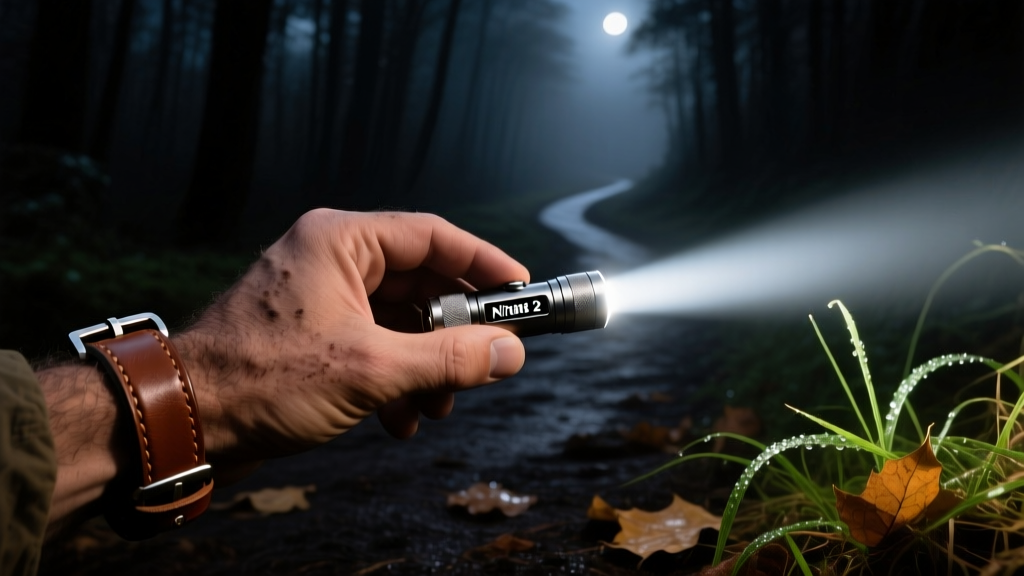
Most keychain flashlights are cheap plastic tubes that overheat after three minutes. The Nitecore TINI 2 breaks this mold by utilizing a die-cast aerospace aluminum alloy body that acts as a heatsink. It outputs a staggering 500 lumens from its dual CREE XP-G3 S4 LEDs, featuring both a focused spotlight and a wide floodlight mode. Weighing just 45 grams, it includes a built-in OLED display that shows exact battery percentage and runtime remaining—a feature usually reserved for $100+ tactical lights. The integrated USB-C port is sealed with a silicone gasket, maintaining an IP54 dust and water resistance rating.
Gerber Dime Multi-Tool
At 2.25 inches closed and 2.2 ounces, the Gerber Dime packs 14 distinct tools into a footprint smaller than a standard car key fob. What separates the Dime from generic supermarket multi-tools is the inclusion of a spring-loaded scissor mechanism (a rarity at this price point) and a dedicated wire stripper built into the main blade's tang. The primary 2.25-inch blade is stamped from 3Cr13 stainless steel, which sacrifices some edge retention for high corrosion resistance and ease of field-sharpening. It also features a unique wire cutter designed specifically to snip paracord and fishing line without dulling the primary cutting edge.
Audio & Commute Upgrades
Anker Soundcore Life D3i
Budget wireless earbuds often suffer from muddy bass and non-existent passive noise isolation. The Soundcore Life D3i counters this with 10mm composite dynamic drivers and a specialized bass-up algorithm accessible via the Soundcore companion app. The physical design utilizes a stemmed, semi-in-ear fit with interchangeable silicone tips that create a surprisingly tight acoustic seal, passively blocking out low-frequency transit rumble. Battery life is rated at 10 hours on a single charge (with ANC disabled), extending to 32 hours with the USB-C charging case. The IPX5 water resistance rating ensures they can handle heavy sweat during high-intensity interval training.
Twelve South AirFly SE
Airlines and older gym equipment still rely on 3.5mm analog headphone jacks, forcing users to either use cheap wired earbuds or suffer through terrible Bluetooth adapters with noticeable audio lag. The AirFly SE solves this by supporting the aptX Low Latency codec, which reduces audio delay to under 40 milliseconds—imperceptible to the human eye when watching in-flight movies. As detailed by the Bluetooth Special Interest Group (SIG), maintaining low latency requires precise hardware synchronization, which the AirFly SE handles via a dedicated Qualcomm chipset. The 25-hour battery life easily covers long-haul international flights, and the physical volume controls on the dongle bypass the locked-down volume limits of many airline entertainment systems.
Desk, WFH & Smart Home
8BitDo Lite 2 SE Bluetooth Controller
For the guy who games on his phone, tablet, or Steam Deck, the 8BitDo Lite 2 SE is a masterclass in portable ergonomics. Unlike standard console controllers that stretch phones to their breaking point, the Lite 2 SE features a compact, D-pad-centric layout optimized for 2D platformers, roguelikes, and emulation. It connects via Bluetooth 5.0 and includes a custom macro programming feature through the 8BitDo Ultimate Software app. The dual rumble motors provide tactile feedback without draining the 25-hour internal battery, and the hall-effect analog triggers (a massive upgrade over standard potentiometers) prevent the stick-drift issues that plague budget controllers after a year of use.
Aqara Matter-Enabled Smart Plug
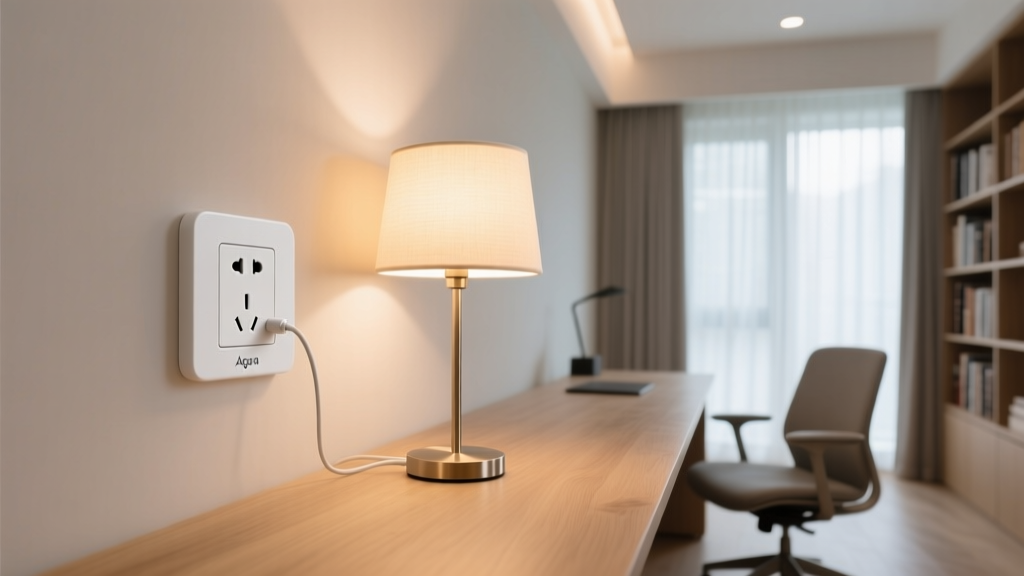
Smart plugs are a dime a dozen, but the Aqara Smart Plug stands out by supporting the Matter over Thread protocol. As outlined by the Connectivity Standards Alliance (CSA), Matter ensures cross-platform compatibility without relying on proprietary cloud servers. This means the plug responds instantly to commands from Apple HomeKit, Amazon Alexa, or Google Home, even if the internet goes down. Beyond basic scheduling, it features built-in energy monitoring that tracks real-time wattage and historical kWh consumption, allowing users to identify power-hungry appliances. The 15A relay is robust enough to handle space heaters and window AC units, a common failure point in cheaper 10A alternatives.
Anker Nano 3 (30W PIQ 3.0)
Charging bricks are usually an afterthought, but the Anker Nano 3 is a legitimate upgrade. Utilizing Gallium Nitride (GaN) II semiconductors, it delivers 30W of fast charging in a form factor barely larger than a standard wall wart. The foldable prongs prevent it from tearing up the inside of a backpack or briefcase. It supports Power Delivery 3.0 and PPS (Programmable Power Supply), meaning it can dynamically adjust voltage to safely fast-charge everything from a Samsung Galaxy S24 to a base-model MacBook Air without overheating.
Tile Pro Bluetooth Tracker
While cheaper trackers rely on basic Bluetooth 4.2 with a 30-meter range, the Tile Pro utilizes a custom high-gain antenna to push its Bluetooth range up to 120 meters in open spaces. Crucially, it uses a user-replaceable CR2032 coin cell battery, eliminating the planned obsolescence of sealed-battery competitors. The 120-decibel alarm is loud enough to hear from a different floor of a house, and the integrated carabiner hole is reinforced with stainless steel to prevent tearing when attached to heavy keychains or luggage zippers.
A $35 gadget wrapped in a generic poly-mailer feels like a stocking stuffer. The same gadget placed in a rigid magnetic-closure box with a custom foam insert feels like a $100 premium release. Invest $3 in a presentation box from a local craft store and use a heat gun to shrink-wrap it. This artificially inflates the perceived value and transforms a budget tech accessory into a deliberate, high-end gift experience.
Frequently Asked Questions
Are budget wireless earbuds worth gifting, or will they break quickly?
At the $30 to $40 price point, you must avoid no-name generic brands. Sticking to established audio companies like Anker (Soundcore) or EarFun ensures you get quality control, firmware updates via companion apps, and reliable lithium-ion battery management systems that prevent premature degradation. The Soundcore Life D3i, for example, uses high-density batteries that maintain over 80% capacity after 500 charge cycles.
What is the difference between Matter and standard Wi-Fi smart plugs?
Standard Wi-Fi plugs connect directly to your 2.4GHz router, which can congest your network if you have dozens of devices. Matter over Thread devices (like the Aqara plug) create a low-power mesh network using border routers (like an Apple TV or Nest Hub). This frees up your Wi-Fi bandwidth, reduces latency to near-zero, and allows the devices to function locally even during an internet outage.
How do I choose between a multi-tool and a dedicated pocket knife?
If the recipient already carries a dedicated folding knife (like a Benchmade or Spyderco), do not buy them another blade. Instead, gift a multi-tool like the Gerber Dime, which complements their existing knife by offering pliers, scissors, and screwdrivers. If they do not carry a knife, a multi-tool is the superior all-around utility gift for daily tasks.
Written by
Sarah KimSarah Kim holds certifications from both NASM (National Academy of Sports Medicine) and ACE (American Council on Exercise), along with a B.S. in Kinesiology from UCLA. She has spent 7 years bridging the gap between exercise science and consumer technology, evaluating fitness trackers, smart scales, sleep monitors, and recovery devices with clinical precision. Sarah has tested over 200 health-focused wearables in controlled lab settings and real-world training environments, comparing device data against gold-standard medical equipment like ECG monitors and DEXA scans. She consults for three fitness app companies on data accuracy standards and has presented research on wearable reliability at the American College of Sports Medicine (ACSM) annual conference. Her reviews emphasize clinical validity over marketing claims.