Top Camping Gadgets 2026: The Ultimate Men's Gift Guide
Discover the top camping gadgets for 2026. This men's gift guide features high-tech survival tools, smart lighting, and off-grid power for outdoorsmen.
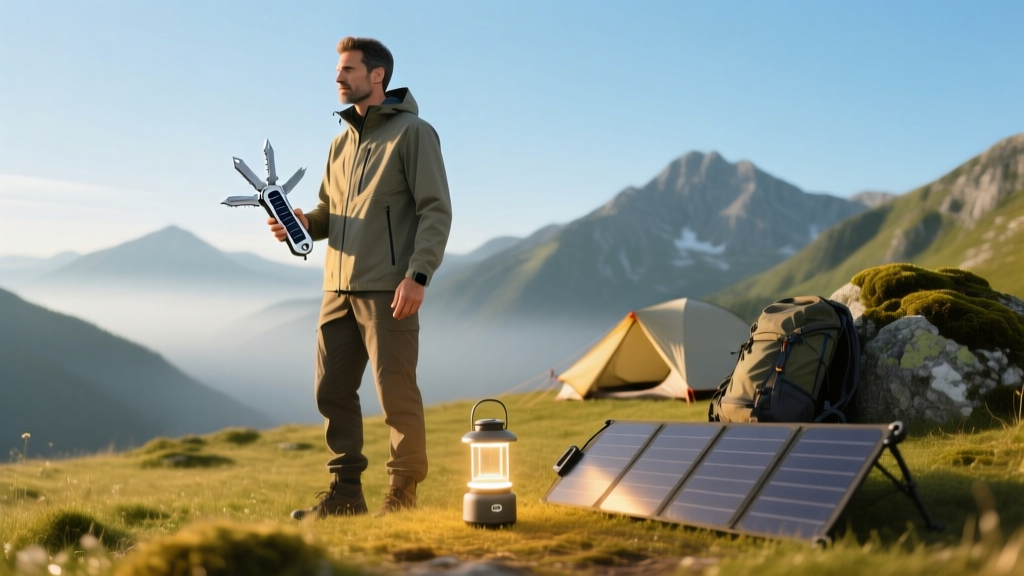
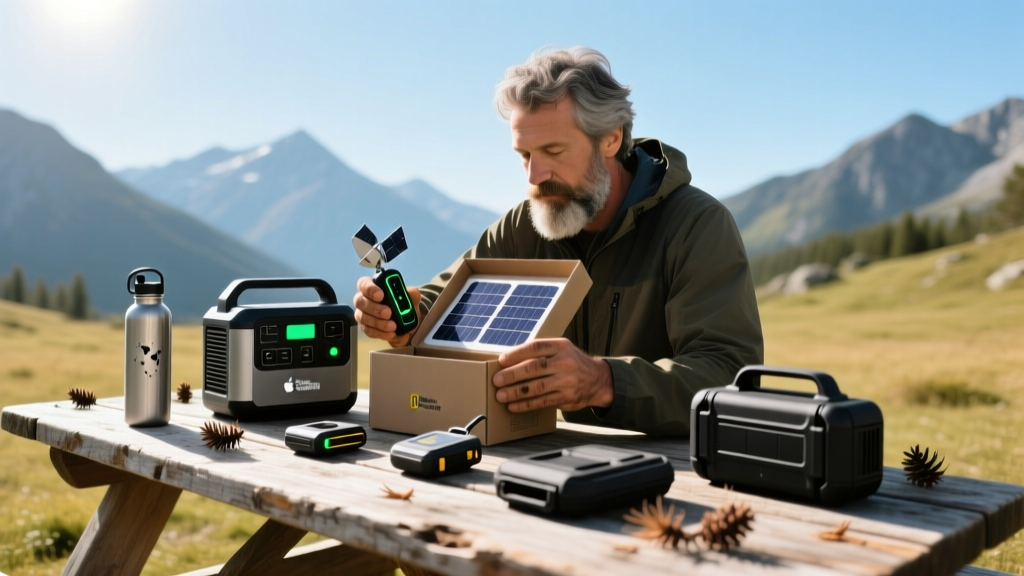
Finding the perfect gift for the outdoorsman in your life is notoriously difficult. The modern gear market is saturated with gimmicky survival tools and hyper-niche accessories that often end up gathering dust in the garage. When it comes to the top camping gadgets of 2026, the focus has shifted heavily toward reliability, multi-functionality, and advanced battery chemistry. Whether he is a weekend car-camper, a backcountry ultralight hiker, or an off-grid overlander, upgrading his camp tech requires a strategic approach. This guide cuts through the marketing fluff to highlight gear that actually earns its pack weight, complete with exact specifications, real-world failure modes, and pricing.
The 2026 Gear Matrix: Matching Gadget to Camper Profile
Before dropping hundreds of dollars on outdoor tech, you must align the gadget with his specific camping style. Use this decision matrix to narrow down your gift selection.
| Camper Profile | Primary Need | Top Gadget Match | Estimated Budget |
|---|---|---|---|
| Basecamp / Car Camper | High-capacity power & comfort | Goal Zero Yeti 500 Core | $500 - $600 |
| Backcountry / Ultralight | Safety & communication | Garmin inReach Mini 2 | $350 - $450 |
| Bushcraft / Survivalist | Off-grid energy & heat | BioLite CampStove 2+ | $150 - $200 |
| Alpine / Winter Camper | Reliable hydration & melting | MSR Reactor Stove System | $250 - $300 |
| General Weekender | Versatile tent illumination | Nite Ize Radiant 300 | $30 - $50 |
5 Top Camping Gadgets That Earn Their Pack Weight
1. Goal Zero Yeti 500 Core (Off-Grid Power)
For the car camper or overlander who refuses to sacrifice modern comforts, the Goal Zero Yeti 500 Core remains a benchmark in portable power. Priced around $549, this unit packs 504Wh of capacity into an 11.4 lb chassis. It features a 1200W AC inverter (2400W surge), allowing it to run everything from CPAP machines to portable electric coolers.
- Pros: Excellent port selection, rugged drop-tested casing, integrates seamlessly with Goal Zero solar panels.
- Cons: Uses NMC (Nickel Manganese Cobalt) battery chemistry, which is lighter but has a lower cycle life (approx. 500 cycles to 80% capacity) compared to LiFePO4 alternatives.
- Expert Insight: NMC batteries suffer from voltage sag in freezing temperatures. If he camps in sub-30°F environments, advise him to keep the Yeti inside the tent vestibule or insulated in a cooler to maintain optimal discharge efficiency.
2. Garmin inReach Mini 2 (Satellite Comms)
Safety is the ultimate gift. The Garmin inReach Mini 2 ($399) weighs a mere 3.5 ounces and connects to the 100% global Iridium satellite network. It allows for two-way text messaging, SOS triggering, and breadcrumb trail tracking without relying on cellular service.
- Pros: USB-C charging, TracBack routing, up to 14 days of battery life in 10-minute tracking mode.
- Cons: Requires a mandatory satellite subscription (starting at $14.95/month).
- Expert Insight: According to Garmin's official inReach Mini 2 specifications, the 14-day battery life assumes optimal sky visibility. In deep slot canyons or dense old-growth forests, the device works harder to acquire a satellite lock, which can drain the battery 20% faster. Always gift a small USB-C power bank alongside this device.
3. BioLite CampStove 2+ (Thermoelectric Charging)
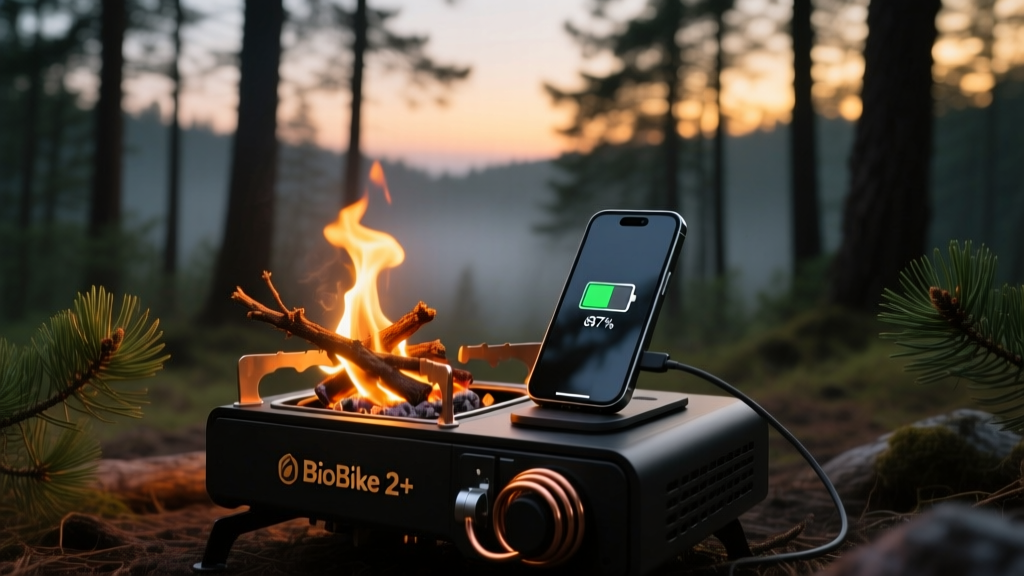
- Pros: Eliminates the need to carry liquid fuel, built-in LED dashboard for fire strength and battery output.
- Cons: The internal fan and TEG (Thermoelectric Generator) fins require regular maintenance.
- Expert Insight: The most common failure mode for the CampStove is creosote buildup from burning damp or resinous pine wood. Gift this alongside a specialized wire brush and a tube of high-temp silicone grease for the fan bearings to ensure longevity. For more on off-grid energy, check out BioLite's thermoelectric technology overview.
4. MSR Reactor Stove System (Extreme Weather Cooking)
When the wind is howling at 40 mph and temperatures are plummeting, canister stoves usually fail. The MSR Reactor Stove System ($289) solves this with a radiant burner head that is completely enclosed and windproof. Weighing 1 lb 1 oz, it boils 1 liter of water in just 3.5 minutes, using significantly less isobutane fuel than competitors.
- Pros: Unmatched wind resistance, incredible fuel efficiency, built-in heat exchanger.
- Cons: Terrible at simmering; it is strictly a high-output boiling machine.
- Expert Insight: Because the Reactor is so efficient, it is prone to scorching food if he tries to cook complex meals. This is the perfect gift for the minimalist who exclusively eats dehydrated backpacking meals or needs to rapidly melt snow for hydration in alpine environments.
5. Nite Ize Radiant 300 Rechargeable Lantern (Smart Lighting)
For just $39.95, the Nite Ize Radiant 300 is a masterclass in practical illumination design. Pushing 314 lumens on high and lasting up to 50 hours on low, its true genius lies in its physical form factor. It features a powerful magnetic base and an integrated carabiner clip.
- Pros: USB-C rechargeable, water-resistant (IPX4), multiple color modes including a red-light night vision setting.
- Cons: The frosted plastic diffuser can scratch if tossed loosely into a gear bin.
- Expert Insight: Most tents lack internal hanging loops that can support heavy lanterns. The Radiant 300's carabiner allows it to clip directly onto lightweight zipper pulls or internal mesh pockets, while the magnetic base sticks to the hood of his truck or a camp chair frame.
Deep Dive: NMC vs. LiFePO4 Battery Chemistry
If you are shopping for larger portable power stations in 2026, you will encounter two primary battery chemistries: NMC (Nickel Manganese Cobalt) and LiFePO4 (Lithium Iron Phosphate). Understanding this distinction is crucial for a high-ticket gift.
The Golden Rule of Camp Batteries: Buy NMC for backpacking and weight-saving; buy LiFePO4 for car camping and long-term durability.
NMC batteries (like those in the Goal Zero Yeti 500 Core) offer high energy density, meaning they are lighter and more compact. However, they typically degrade to 80% capacity after 500-800 charge cycles. LiFePO4 batteries are heavier and bulkier, but they boast an astonishing 3,000+ cycle life. If your recipient camps 50 nights a year and heavily cycles his power station, an LiFePO4 unit will easily outlast an NMC unit by a decade.
Frequently Asked Questions (FAQ)
Are satellite messenger subscriptions worth the cost?
Absolutely. While the $15/month safety tier for Garmin devices might seem like an added expense, it provides global SOS routing through GEOS. A single helicopter medevac in a remote wilderness area can cost upwards of $50,000 out-of-pocket if uninsured. It is the cheapest life insurance policy an outdoorsman can buy.
What is the best way to wrap fragile camping tech?
Avoid standard wrapping paper. Instead, wrap gadgets inside a practical camp accessory. For example, place a Garmin inReach Mini 2 inside a new waterproof dry bag or stuff sack from REI. This provides padding, builds anticipation, and gives him a secondary, highly useful gift.
Can solar panels fully recharge a 500Wh power station in one day?
Rarely. A 200W solar panel operating in perfect, unshaded, direct sunlight will generate about 140W-160W of actual input. To fully recharge a 504Wh battery from 0% to 100%, expect 4 to 5 hours of peak sun, which usually spans across two calendar days in most North American latitudes during the shoulder seasons.
Final Thoughts on Gifting Gear
The best camping gadgets do not replace fundamental outdoor skills; they enhance safety, efficiency, and comfort. By selecting gear that addresses specific environmental challenges—like the MSR Reactor for wind or the BioLite for off-grid fuel sourcing—you are giving a gift that demonstrates a deep understanding of his passion. Skip the generic multi-tools and novelty compasses this year, and invest in the top camping gadgets that will actually accompany him into the backcountry for years to come.
Written by
Priya SharmaPriya Sharma holds a Ph.D. in Acoustical Engineering from the University of Southampton and a B.Tech in Electronics from IIT Delhi. She has spent 9 years as a consumer electronics journalist, with deep specialization in audio equipment, camera systems, and assistive technology. Priya is an active member of the Audio Engineering Society (AES) and has co-authored papers on spatial audio perception published in the Journal of the Acoustical Society of America. Her reviews of headphones, portable DACs, and studio monitors include objective measurements using Audio Precision analyzers alongside subjective listening tests. She also serves on the advisory board of the Global Accessibility Reporting Initiative (GARI), evaluating mobile devices for users with visual and hearing impairments.