Beginner vs Expert: Building the Perfect EDC Tool Gadget Kit
Discover the differences between beginner and expert EDC setups. We compare tool gadget selections, pricing, and practical utility for everyday carry.
The Core Philosophy: Utility vs. Capability
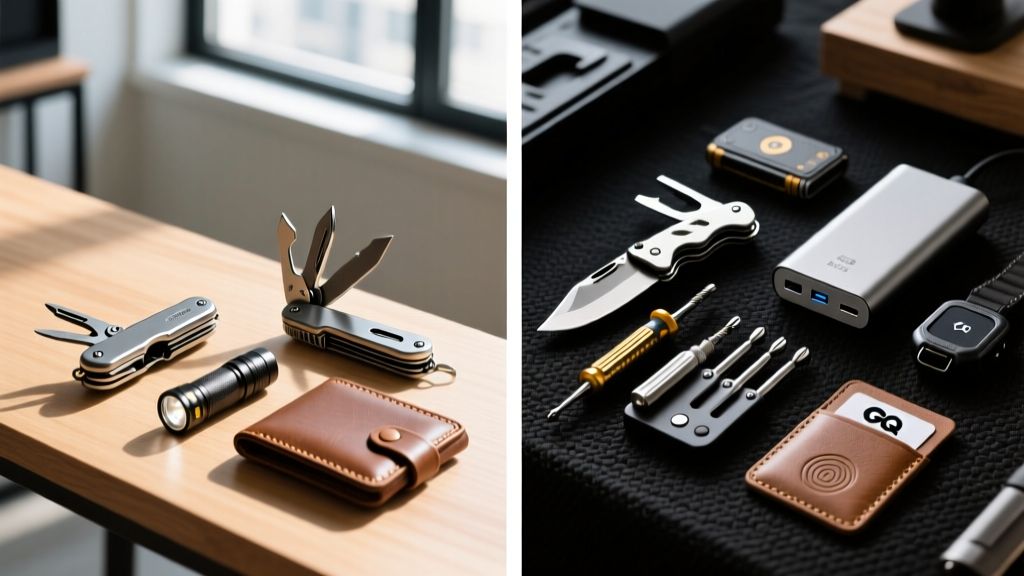
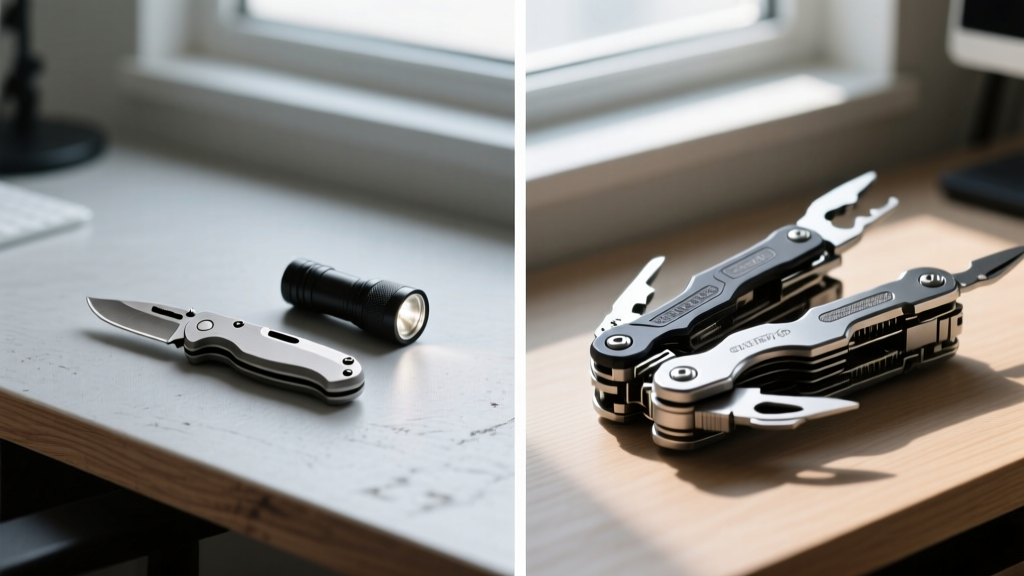
When entering the world of Everyday Carry (EDC) in 2026, the sheer volume of options can be paralyzing. The fundamental difference between a beginner and an expert isn't just budget; it is the underlying philosophy of their loadout. Beginners typically select a tool gadget based on capability—the 'just in case' scenario. They want a device with 30 functions, assuming that having a built-in awl, fish scaler, and magnifying glass will prepare them for any situation. Experts, conversely, optimize for utility—the 'every day use' reality. They strip away the gimmicks, focusing on premium metallurgy, ergonomic deployment, and long-term maintenance.
As noted by the EDC community on BladeForums, the most carried tool is the one that feels like an extension of your hand, not a heavy anchor in your pocket.
Understanding this paradigm shift is critical before you spend your hard-earned money. Below, we break down the exact gear choices that separate the novices from the seasoned veterans across three core categories: multitools, illumination, and cutting implements.
The Multitool Showdown: Leatherman Rev vs. Charge+ TTi
A multitool is the quintessential tool gadget, serving as a portable workshop. However, the gap in build quality and steel quality between entry-level and premium models is massive.
The Beginner Choice: Leatherman Rev ($45)
The Rev is a staple for newcomers. It features 14 tools, weighs 4.5 ounces, and utilizes 420HC stainless steel for its blade. It is compact, affordable, and perfectly adequate for opening boxes or tightening a loose screw. However, the blade steel requires frequent sharpening, and the pliers lack the mechanical advantage needed for heavy-duty wire pulling.
The Expert Choice: Leatherman Charge+ TTi ($190)
Experts gravitate toward the Charge+ TTi for its S30V premium steel blade, which offers vastly superior edge retention. The titanium handles reduce weight to 8.4 ounces despite packing 19 tools, including a crimper and replaceable premium wire cutters. Furthermore, the one-handed opening blades feature robust locking mechanisms, a critical safety feature missing from budget models.
| Feature | Beginner (Leatherman Rev) | Expert (Charge+ TTi) |
|---|---|---|
| Price | $45 | $190 |
| Weight | 4.5 oz | 8.4 oz |
| Blade Steel | 420HC (Standard) | S30V (Premium) |
| Handle Material | Stainless Steel | Grade 5 Titanium |
| Locking Mechanism | Partial (Pliers only) | Full (All locking tools) |
| Best Use Case | Light office/home tasks | Heavy field/contractor work |
Illumination: Flashlight Selection Strategies
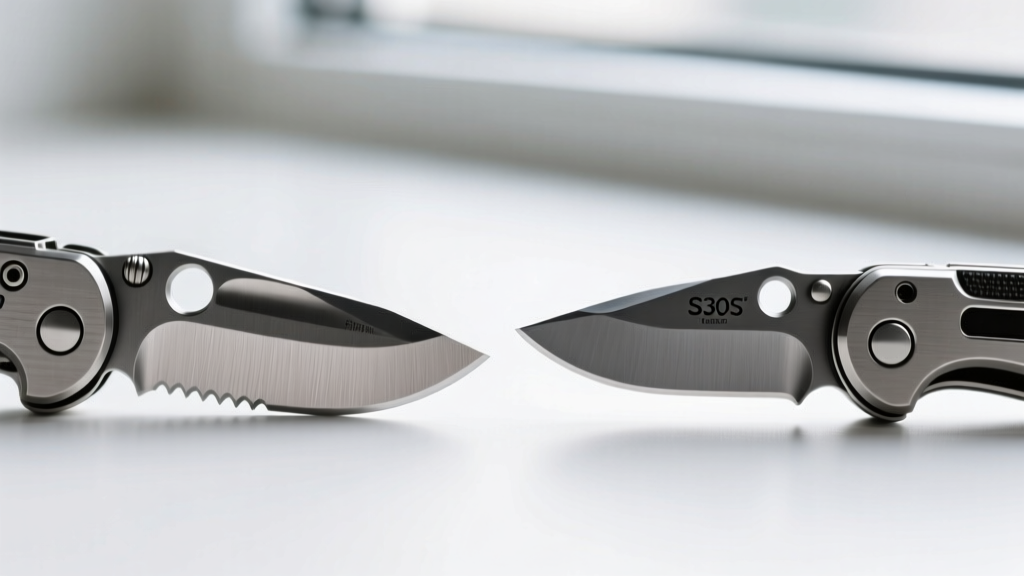
Modern LED technology has pushed flashlight outputs to staggering levels, but raw lumens are only half the story. The way an expert selects a lighting tool gadget revolves around user interface, emitter quality, and thermal regulation.
The Beginner: Streamlight MicroStream USB ($45)
For a novice, the MicroStream USB is a revelation compared to a smartphone flashlight. It pushes 250 lumens, weighs a mere 1.5 ounces, and features a simple tail-cap switch. It is perfect for finding dropped keys or navigating a dark hallway. Its limitation lies in its basic UI and lack of adjustable color temperature.
The Expert: Emisar D4V2 ($65 - $90)
Enthusiasts on BudgetLightForum frequently recommend the Emisar D4V2 as the ultimate enthusiast light. Rather than just blinding output, experts prioritize the Nichia 519A emitters, which offer a high CRI (Color Rendering Index) of 90+. This allows you to accurately distinguish wire colors in a dim electrical panel. Furthermore, the Anduril 2 user interface provides stepless dimming, beacon modes, and precise thermal step-down configurations, giving the user total control over the light's behavior.
The Cutting Edge: Pocket Knives and Steel Metallurgy
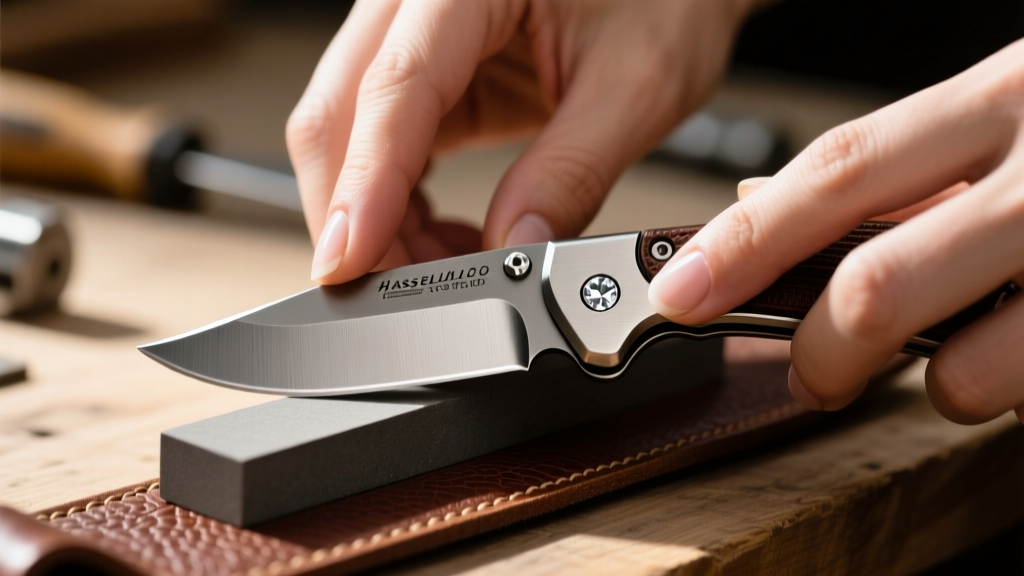
The pocket knife is the most personal tool gadget in any kit. The transition from beginner to expert is most evident in the understanding of blade geometry, lock types, and steel metallurgy.
The Beginner: CRKT Pilar ($30)
Designed by Jesper Voxnaes, the Pilar is a rugged, minimalist workhorse. It uses 8Cr13MoV steel, which is easy to sharpen but loses its edge quickly when cutting abrasive materials like cardboard. The stainless steel frame lock is secure, but the knife is heavy for its size (2.6 oz) and relies on a simple thumb stud for deployment.
The Expert: Chris Reeve Knives Small Sebenza 31 ($450+)
The Sebenza 31 is widely considered the gold standard of folding knives. It utilizes S45VN steel, offering an elite balance of toughness and edge retention. The titanium framelock features a ceramic ball detent for buttery-smooth deployment, while phosphor bronze washers ensure the action remains flawless for decades. Experts understand that a $450 knife is a buy-it-for-life investment, backed by Chris Reeve's legendary spa service and maintenance support. For official specifications and maintenance guides, Leatherman and premium knife makers provide extensive documentation on caring for high-end steels.
Decision Matrix: Which Tool Gadget Tier Are You?
Not everyone needs to spend $700 on an EDC kit. Use this framework to determine which tier aligns with your lifestyle, budget, and willingness to perform maintenance.
- Tier 1: The Practical Novice (Budget: $50 - $100)
You work in an office or light retail. You need tools to open packages, tighten a loose eyeglass screw, or find something under a car seat. You prefer tools that require zero maintenance and can be replaced cheaply if lost. - Tier 2: The Capable Intermediate (Budget: $150 - $300)
You work with your hands, do DIY home repairs, or spend weekends outdoors. You need reliable locking mechanisms, better steel that holds an edge through a weekend project, and a flashlight with a proper pocket clip and high-output burst. - Tier 3: The Optimized Expert (Budget: $500+)
You view EDC as a hobby and a daily reliance. You demand exotic materials (timascus, carbon fiber, titanium), custom blade grinds, and programmable flashlight interfaces. You willingly spend 15 minutes a month sharpening, oiling, and maintaining your gear.
Frequently Asked Questions
Is it worth spending over $100 on a single tool gadget?
Yes, if you use it daily. The cost-per-use of a premium tool gadget like the Leatherman Charge+ TTi drops to pennies over a decade of use. Premium steels and titanium components resist corrosion and wear, meaning the tool will actually perform better in year five than a budget tool would in year one.
Do experts really carry all these items every day?
Actually, experts often carry less than beginners. While a beginner might carry a multitool, a dedicated knife, and two flashlights 'just in case', an expert typically curates a minimalist kit—perhaps just a high-end folding knife and a compact, high-CRI flashlight—because they know exactly what tasks they realistically face on a Tuesday afternoon.
What is the biggest mistake beginners make when buying EDC gear?
The most common mistake is prioritizing brand hype or tactical aesthetics over ergonomics and pocket clip design. A tool gadget with aggressive jimping and a stiff clip will tear up your pockets and hands, ultimately getting left in a drawer. Always prioritize smooth deployment and comfortable pocket retention.
Written by
Sarah KimSarah Kim holds certifications from both NASM (National Academy of Sports Medicine) and ACE (American Council on Exercise), along with a B.S. in Kinesiology from UCLA. She has spent 7 years bridging the gap between exercise science and consumer technology, evaluating fitness trackers, smart scales, sleep monitors, and recovery devices with clinical precision. Sarah has tested over 200 health-focused wearables in controlled lab settings and real-world training environments, comparing device data against gold-standard medical equipment like ECG monitors and DEXA scans. She consults for three fitness app companies on data accuracy standards and has presented research on wearable reliability at the American College of Sports Medicine (ACSM) annual conference. Her reviews emphasize clinical validity over marketing claims.