Ekco Kitchen Gadgets vs Expert Wood and Bamboo Utensils
Compare beginner Ekco kitchen gadgets with expert-level wooden and bamboo utensils. Discover material science, pricing, and when to upgrade.
The Material Science of Wood and Bamboo in the Kitchen
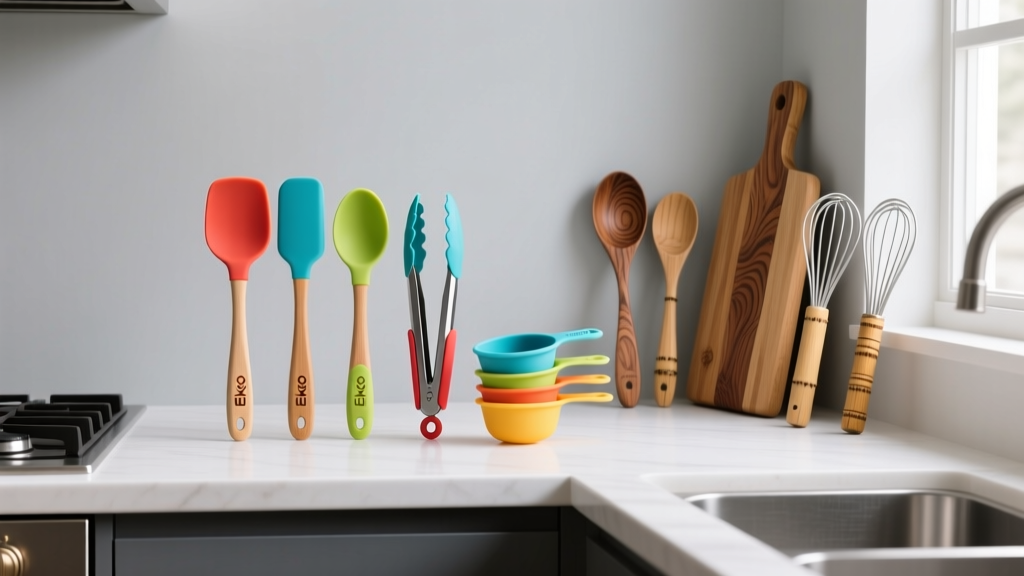
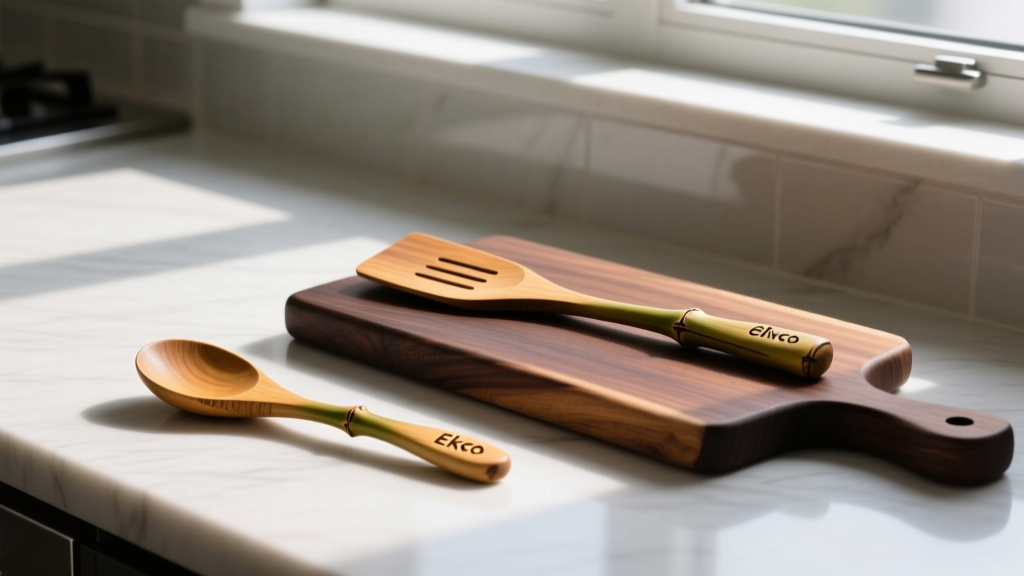
When outfitting a first kitchen, beginners often gravitate toward accessible, budget-friendly ekco kitchen gadgets, including their entry-level bamboo spoons and wooden turners. These tools, typically priced between $3.99 and $6.99, serve a functional purpose for light cooking. However, as culinary skills advance, the limitations of mass-produced, entry-level wood and bamboo become glaringly apparent. Expert cooks and professional chefs understand that wooden and bamboo utensils are not merely sticks for stirring; they are precision instruments governed by material science, specifically Janka hardness, moisture content (MC), and cellular structure.
Wood and bamboo are hygroscopic, meaning they absorb and release moisture from their environment. According to the USDA Forest Products Laboratory Wood Handbook, the dimensional stability of wood is directly tied to its equilibrium moisture content. When a budget bamboo spoon is subjected to the rapid temperature and humidity shifts of a boiling stockpot followed by a dry kitchen rack, the cellular fibers expand and contract. In expert-tier utensils, this is mitigated by precise kiln-drying to an 8-10% MC and the application of polymerizing oils. In beginner gadgets, this cycle rapidly leads to micro-fractures, warping, and eventual delamination.
The Beginner vs. Expert Mindset
Beginner: Views a wooden spoon as a disposable commodity. Prioritizes low upfront cost and dishwasher compatibility (which destroys wood). Replaces utensils annually due to splintering.
Expert: Views wooden tools as an investment in edge retention and thermal control. Prioritizes Janka hardness, non-toxic finishes, and grain orientation. Maintains tools for decades.
Entry-Level: Analyzing Ekco Kitchen Gadgets for Beginners
Ekco has been a staple in American kitchens for decades, offering a vast array of entry-level bakeware and utensils. Their basic bamboo and wood lines are engineered for mass-market accessibility. The bamboo used in these ekco kitchen gadgets is typically standard Moso bamboo, harvested at a younger age to reduce costs, and bound with standard urea-formaldehyde or basic PVA glues if laminated.
What You Get (and What You Don't)
At the $5 price point, an Ekco bamboo spoon offers low thermal conductivity (it won't burn your hand like stainless steel) and sufficient rigidity for scrambling eggs or stirring light sauces. However, the manufacturing process leaves the bamboo's porous vascular bundles relatively open. Without a deep-penetrating, food-grade polymerizing oil bath at the factory, these utensils rely on a superficial wax coating that washes away after three to five wash cycles.
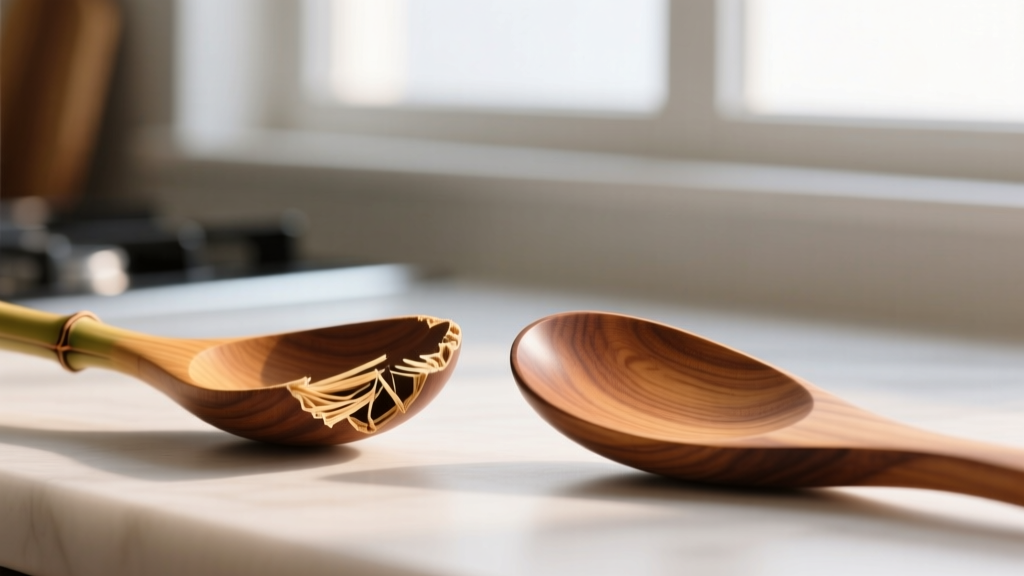
Once that factory wax is gone, the bamboo begins absorbing cooking fats, acidic tomato sauces, and dishwater. This leads to the most common failure mode of budget bamboo: furring. The surface fibers raise and splinter, creating a rough texture that harbors bacteria and makes the utensil unpleasant to use. Furthermore, the edges of beginner bamboo spatulas are typically machined to a thick, blunt profile, making them useless for delicate tasks like folding egg whites or deglazing a pan with a precise scrape.
Expert-Tier: High-Density Hardwoods and Engineered Bamboo
Expert cooks bypass basic bamboo and rubberwood in favor of high-density hardwoods (like olivewood, teak, and wild cherry) or premium, sustainably harvested, mature bamboo that is mechanically pressed and finished with carnauba wax blends. Brands like Jonathan's Spoons (hand-carved wild cherry, ~$38) or Bambu Home (certified organic, mature Moso bamboo, ~$14-$18) represent the expert tier.
Janka Hardness and Moisture Absorption Rates
The Janka hardness test measures the resistance of wood to denting and wear. It is the primary metric experts use to select kitchen woods. A higher Janka rating means the utensil will resist knife scarring, won't easily splinter, and will maintain a thin, precise scraping edge.
| Feature | Ekco Basic Bamboo (Beginner) | Premium Engineered Bamboo | Solid Olivewood / Teak (Expert) |
|---|---|---|---|
| Price Range | $3.99 - $6.99 | $12.00 - $18.00 | $25.00 - $45.00+ |
| Janka Hardness | ~1,300 lbf (variable) | ~1,400 lbf (compressed) | 1,155 lbf (Teak) to 2,700 lbf (Olive) |
| Edge Profile | Thick, blunt, machined | Tapered, sanded smooth | Hand-carved, razor-thin scraping edge |
| Glue / Binders | Standard PVA / Urea | Formaldehyde-free, food-safe | N/A (Solid single-piece wood) |
| Lifespan | 6 - 14 months | 3 - 5 years | 10+ years (with maintenance) |
Edge Retention, Silica Content, and Knife Safety
A critical, often overlooked factor in the beginner vs. expert debate is how the utensil interacts with other kitchen tools, specifically high-carbon steel knives. Bamboo is technically a grass, and its cellular structure contains high levels of silica. While this makes bamboo incredibly hard and resistant to denting, it also makes it highly abrasive.
"If you are using a premium Japanese Gyuto or a high-carbon French chef's knife, scraping it against a cheap bamboo cutting board or using aggressive bamboo scraping tools will dull your micro-bevel significantly faster than end-grain hardwood. Expert kitchens reserve bamboo for heavy-duty stirring and opt for solid beech or cherry for tasks involving knife contact."
Expert-tier solid woods like teak contain natural oils (tectoquinones) that provide inherent water resistance without the need for heavy chemical binders. Olivewood, with its extreme Janka hardness of 2,700 lbf, can be carved to a translucent thinness at the spatula edge, allowing a cook to slide it effortlessly under a delicate fish fillet or perfectly scrape the fond from the bottom of a copper saucepan without scratching the metal.

The Upgrade Framework: When to Ditch the Basics
Transitioning from entry-level ekco kitchen gadgets to expert wooden tools should be dictated by specific culinary milestones and the physical degradation of your current tools. Use this decision matrix to determine when an upgrade is mandatory:
- The Fingernail Test: If you can easily press your fingernail into the working end of your wooden spoon and leave a permanent dent, the wood's cellular structure has collapsed from repeated waterlogging. Upgrade to a high-density hardwood immediately.
- The Smell Test: If a wooden utensil smells sour or rancid after washing and drying, it means cooking fats have penetrated deep into the unsealed pores and oxidized. This is a food safety hazard. According to Penn State Extension food safety guidelines, deeply grooved or porous food-contact surfaces that cannot be adequately sanitized must be discarded.
- The Delamination Check: If you see hairline cracks running parallel to the grain on a laminated bamboo spatula, the glue layers are failing due to thermal shock. These micro-fissures harbor pathogens and cannot be repaired.
- The Sauce Deglazing Requirement: If you are frequently making pan sauces and need to scrape fond (the browned bits of protein) off stainless steel or enameled cast iron, a thick budget bamboo spoon will fail. You need an expert-tier olivewood or cherry spatula with a beveled, thin edge.
Maintenance Protocols: Beginner Neglect vs Expert Conditioning
The longevity of any wooden or bamboo utensil is entirely dependent on its maintenance regimen. Beginners frequently destroy their wood tools by tossing them in the dishwasher. The caustic detergents and 150°F (65°C) drying cycles strip the wood of its natural moisture, causing immediate warping and catastrophic splitting.
The Expert Conditioning Protocol
Experts treat wooden utensils with the same rigor as cast iron cookware. The goal is to fill the wood's xylem and phloem tubes with a polymerizing substance to block water ingress.
- Cleaning: Hand wash immediately after use with mild dish soap and warm water. Never let wood soak in a sink.
- Drying: Towel dry immediately, then stand the utensil upright in a well-ventilated rack to allow ambient air circulation around the entire surface.
- Oiling (Monthly): Apply a generous coat of food-grade mineral oil. Unlike vegetable oils (olive, canola), mineral oil will not oxidize and turn rancid.
- Waxing (Bi-Annually): For expert-level protection, use a board cream that blends mineral oil with beeswax or carnauba wax. The oil penetrates the deep cellular structure, while the wax caps the surface pores, providing a hydrophobic barrier against acidic foods like tomato paste and wine reductions.
Final Verdict: Building Your Utensil Arsenal
There is a distinct place for budget-friendly ekco kitchen gadgets in the culinary world. For a college student, a first apartment, or for tasks that are highly destructive to tools (like stirring dark, heavily spiced chili or mixing harsh chemical brines), a $4 bamboo spoon is a practical, expendable asset. However, treating all wooden utensils as interchangeable commodities severely limits your cooking precision.
Building an expert kitchen requires a hybrid approach. Keep a drawer of inexpensive bamboo spoons for heavy-duty, messy stirring tasks where staining and high-heat abuse are guaranteed. But for the refined tasks—folding delicate batters, sautéing fragile proteins, scraping fond for a pan sauce, and serving at the table—invest in solid, high-Janka hardwoods like teak, wild cherry, or olivewood. The upfront cost of $30 to $40 per utensil is offset by a multi-decade lifespan, superior edge retention, and a level of tactile feedback that mass-produced bamboo simply cannot replicate.
Written by
Emma LarssonEmma Larsson holds an M.A. in International Relations from Sciences Po Paris and a B.A. in Communications from Stockholm University. A digital nomad since 2017, she has worked from over 45 countries across six continents, building deep expertise in portable power solutions, travel routers, compact computing, and connectivity gadgets that survive international travel. Emma is a certified member of the Travel Technology Association and has advised three travel gear startups on product-market fit for remote workers. Her reviews evaluate products against real travel scenarios — TSA compliance, voltage compatibility across 200+ countries, durability through 50+ checked bag cycles, and battery life under airplane mode vs. active use. She has been featured in Condé Nast Traveler's "Tech-Savvy Traveler" series and speaks at Remote Work Summit events.