Martha Stewart Kitchen Gadgets: Beginner vs Expert Blenders & Choppers
Compare beginner and expert Martha Stewart kitchen gadgets for food prep. Discover the best blenders, choppers, and processors for every skill level.
The Divide: Aesthetic Convenience vs. Culinary Engineering
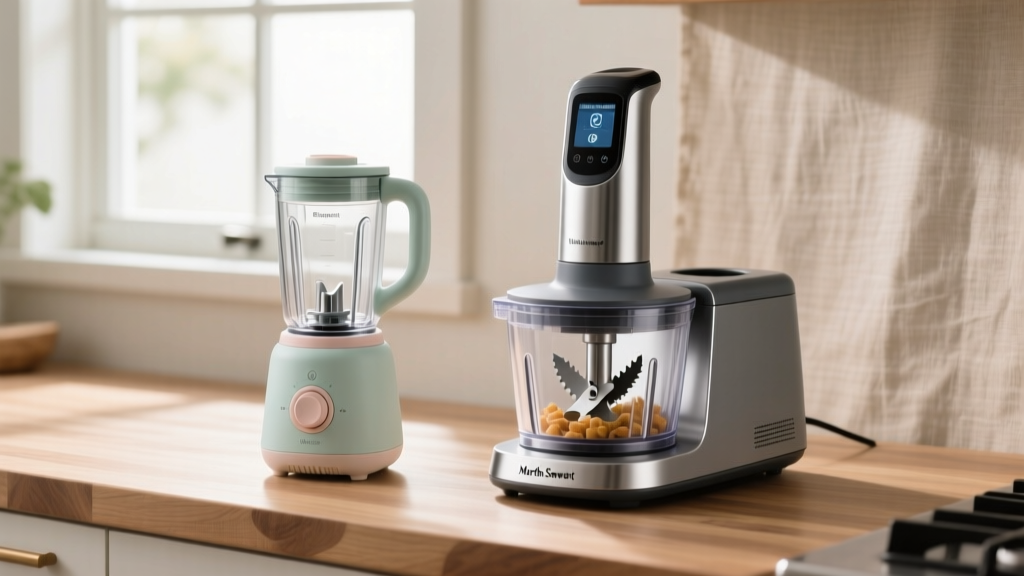
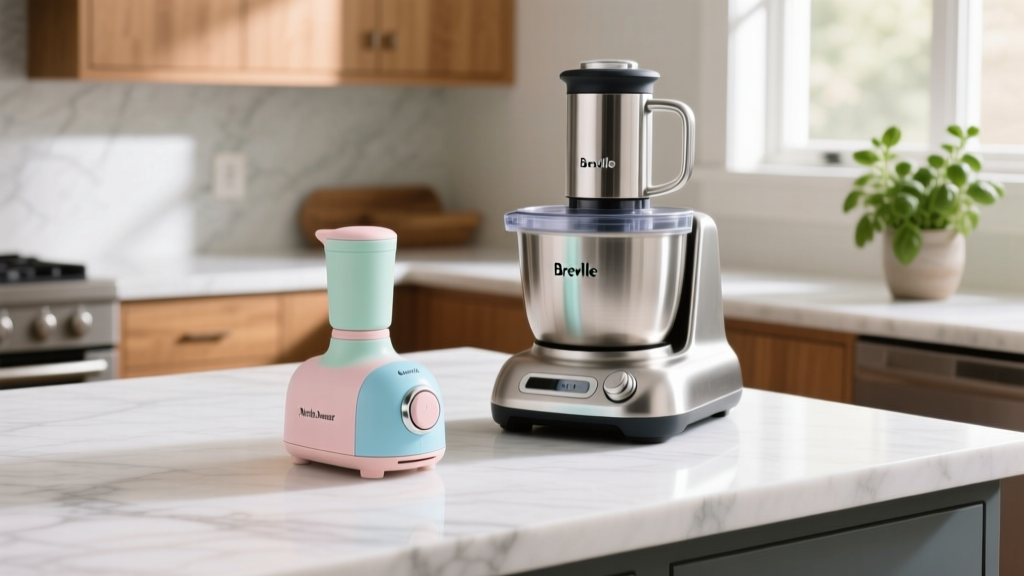
When browsing for food preparation tools, the market is sharply divided between lifestyle-branded appliances and professional-grade workhorses. The Martha Stewart kitchen gadgets line—widely available through major retailers and home shopping networks—targets the beginner to intermediate home cook. These devices prioritize aesthetic appeal, budget-friendly price points (typically $30 to $100), and everyday convenience. However, as culinary ambitions grow, the limitations of budget OEM (Original Equipment Manufacturer) motors and basic blade geometries become glaringly apparent.
Expert-level gadgets from brands like Breville, Vitamix, and Magimix demand a premium ($300 to $650) but offer direct-drive motors, precision-machined metallurgy, and thermal overload protection. This guide breaks down the exact mechanical and practical differences between beginner-friendly Martha Stewart branded prep tools and their expert-tier counterparts across three critical categories: mini choppers, countertop blenders, and full-size food processors.
Mini Choppers: Garlic Paste vs. Herb Bruising
Mini choppers are the gateway drug to food prep automation. They are meant to handle the tedious micro-tasks: mincing garlic, chopping onions, and grinding nuts.
Beginner Pick: Martha Stewart 3-Cup Mini Prep
Priced around $35, this compact unit features a 150-watt motor and a standard dual-direction S-blade. It excels at soft vegetables and basic grinding. However, the low wattage means the motor relies on high RPMs rather than torque. When faced with dense ingredients like cold butter or hard parmesan, the blade stalls, and the motor housing can overheat, triggering an automatic thermal shutoff that requires a 20-minute cooldown.
Expert Pick: Magimix Le Mini Plus (400W)
At $150, the Magimix Le Mini Plus utilizes a commercial-grade induction motor. Unlike the universal motors found in budget choppers, induction motors provide massive starting torque. According to extensive testing by Serious Eats, high-torque mini processors cleanly slice delicate herbs like basil without bruising them. Budget blades tend to smash the cell walls of herbs, causing rapid oxidation that turns bright green basil into a bitter, blackened paste.
Never fill a beginner 3-cup chopper past the liquid fill line (usually just 1 cup). Budget models lack silicone gasket seals on the lid. Overfilling will cause liquids to seep into the motor housing, permanently destroying the appliance and creating a severe electrical hazard.
Countertop Blenders: Smoothies vs. Friction-Heated Soups
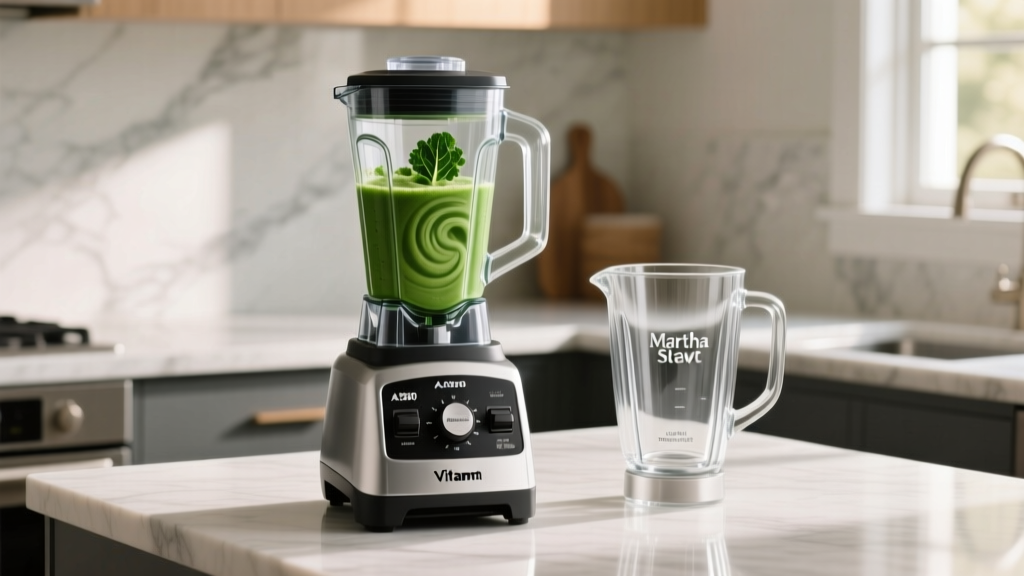
The difference between a budget blender and an expert blender is not just about speed; it is about fluid dynamics and friction.
Beginner Pick: Martha Stewart Glass Pitcher Blender
Retailing for approximately $60, this 500-watt blender features a heavy glass jar and basic pulse/speed settings. It is perfectly adequate for morning fruit smoothies, milkshakes, and blending canned soups. The glass pitcher is highly resistant to staining from tomato sauces and turmeric, a distinct advantage over cheap BPA-free plastics.
Expert Pick: Vitamix A3500 or Blendtec Designer 725
Priced between $500 and $650, these 1200W+ blenders operate on an entirely different physical principle. As noted in Wirecutter's comprehensive blender reviews, high-performance blenders spin at up to 24,000 RPM with enough torque to create cellular friction. This friction literally boils cold water into hot soup in under six minutes. Furthermore, expert blenders use asymmetrical jar designs and included tamper tools to prevent cavitation—an air pocket that forms around the blades, leaving chunks of frozen fruit unblended at the top of the pitcher.
| Feature | Martha Stewart Glass Blender | Vitamix A3500 |
|---|---|---|
| Motor Wattage | 500W | 1200W (2.2 Peak HP) |
| Jar Material | Thick Glass (Heavy, stain-proof) | Eastman Tritan Copolyester (Shatterproof, lightweight) |
| Friction Heating | No (Motor will burn out first) | Yes (Boils cold liquids in ~6 mins) |
| Nut Butter Capability | Fails (Requires added oil) | Excellent (Dry roasted nuts only) |
| Warranty | 1-Year Limited | 10-Year Full Coverage |
Full-Size Food Processors: The Dough & Slice Test
Food processors are the heavy lifters of the kitchen. They are judged by their ability to maintain blade speed under extreme lateral loads, such as kneading stiff pizza dough or slicing 5 pounds of potatoes.
Beginner Pick: Martha Stewart 14-Cup Food Processor
At roughly $85, this 14-cup model offers a massive bowl capacity that rivals professional units. It includes standard S-blades, a slicing disc, and a shredding disc. For making pesto, shredding carrots for cake, or chopping vegetables for a mirepoix, it performs admirably. However, the 500-watt belt-driven motor struggles with high-viscosity tasks. Attempting to knead a 65% hydration bread dough will cause the drive belt to slip, producing a high-pitched whining noise and potentially stripping the plastic drive gears.
Expert Pick: Breville Sous Chef 16 Pro
The $400 Breville Sous Chef 16 Pro features a 1650-watt direct-drive motor. There is no belt to slip; the motor shaft connects directly to the blade spindle. It also features an adjustable slicing disc with 24 thickness settings (from 0.3mm to 8.0mm), controlled by a micro-dial on the lid. This level of precision allows cooks to shave truffles or slice potatoes for gratin with paper-thin consistency that a budget fixed-disc processor simply cannot achieve.
"The true test of a food processor isn't how fast it spins in an empty bowl, but how much its RPM drops when you drop in two pounds of stiff dough. Budget models lose up to 60% of their blade speed under load, resulting in uneven tearing rather than clean slicing."
— Culinary Equipment Testing Standards, Epicurious Kitchen Lab
The Upgrade Threshold: When to Ditch the Budget Gear
Martha Stewart kitchen gadgets are excellent entry points that look beautiful on a countertop. However, you should transition to expert-tier equipment if you encounter any of the following failure modes:
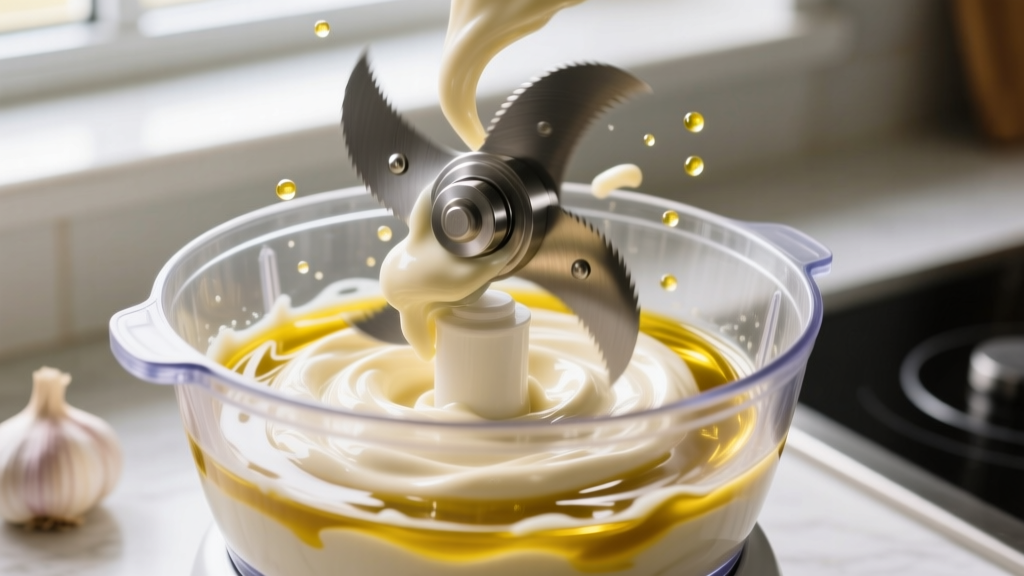
- The Emulsion Break: If your budget processor fails to create stable mayonnaise or aioli because the blade speed fluctuates, you need a machine with a higher-torque induction motor.
- The Thermal Shutoff Loop: If your blender or chopper frequently stops mid-cycle and requires cooling down, the motor's thermal fuse is tripping. Continuing to push it will melt the internal wiring casing.
- Uneven Shredding: If your cheese or vegetables are turning to mush on one side of the bowl while remaining whole on the other, the budget spindle is wobbling under lateral pressure, creating an uneven gap between the blade and the food.
- Micro-Plastics Wear: Budget plastic drive sockets (where the bowl meets the motor base) wear down over time, creating black plastic dust. Expert models use die-cast metal drive sockets.
Final Verdict: Matching the Gadget to the Cook
If your weekly prep consists of morning smoothies, occasional hummus, and basic vegetable chopping, the Martha Stewart branded line offers tremendous value, easy cleanup, and attractive aesthetics that fit modern kitchen decor. The glass pitcher blender and 3-cup mini chopper are highly recommended for casual cooks.
However, if you are baking artisan breads, making nut butters, batch-prepping for large families, or demanding restaurant-quality knife cuts from a machine, the investment in a Vitamix, Magimix, or Breville is non-negotiable. Expert gadgets are not just faster; they are engineered to manipulate food physics in ways that budget motors simply cannot replicate.
Written by
Tom ReynoldsTom Reynolds holds a CFA (Chartered Financial Analyst) designation and a B.S. in Finance from the University of Texas at Austin. Before entering tech journalism, he spent 6 years as a quantitative analyst at a hedge fund, building cost-benefit models for consumer product investments. Tom has maintained a proprietary database of over 10,000 tech deals for the past 8 years, developing his signature "penny-per-feature" evaluation framework that calculates the true value proposition of every gadget. His budget gadget reviews are known for their financial rigor — he tracks price history across 15+ retailers, calculates cost-per-use over 3-year lifespans, and identifies the exact inflection point where premium features justify their markup. Tom's deal alerts have saved his readers an estimated .3 million since 2018.