Top Kitchen Gadgets 2025: Future of Silicone Bakeware & Non-Stick
Analyzing the top kitchen gadgets 2025 introduced, exploring how platinum silicone and PFAS-free non-stick coatings are evolving for 2026 and beyond.
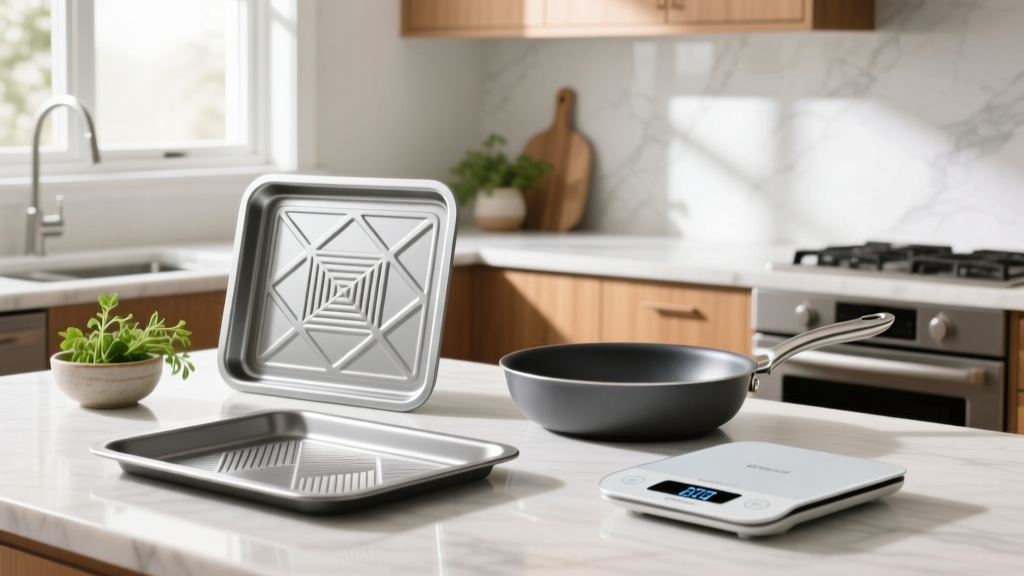
The Shift: Why the Top Kitchen Gadgets 2025 Redefined Non-Stick
When evaluating the top kitchen gadgets 2025 brought to market, the most significant innovations were not necessarily new electronic appliances, but fundamental material science upgrades in everyday prep and bakeware. Driven by aggressive regulatory phase-outs of per- and polyfluoroalkyl substances (PFAS) and a consumer demand for higher thermal durability, the non-stick and silicone categories have undergone a complete chemical overhaul. As we move through 2026, understanding the distinction between legacy coatings and modern sol-gel ceramics or platinum-cured silicones is critical for both culinary performance and long-term kitchen safety.
The era of cheap, easily degrading polytetrafluoroethylene (PTFE) pans and peroxide-cured silicone molds that leach volatile organic compounds (VOCs) is ending. Today's premium kitchen tools rely on advanced polymerization techniques that extend product lifespans from a mere 14 months to over five years, provided they are maintained correctly. This report breaks down the exact material specifications, real-world failure modes, and the specific models that define the current market.
Platinum-Cured Silicone: The Material Science Behind the Hype
Not all silicone is created equal. The flexible bakeware dominating the 2025 and 2026 market is manufactured using an addition-cure process catalyzed by platinum, rather than the older free-radical process catalyzed by peroxide. Platinum-cured silicone yields a polymer matrix that is entirely free of byproducts, ensuring zero chemical off-gassing even when subjected to sustained oven temperatures of 480°F (249°C).
If your silicone bakeware emits a sharp, chemical odor when heated, it is likely peroxide-cured and was subjected to an incomplete post-cure baking cycle. Peroxide curing leaves behind acetophenone and other VOCs. While FDA regulations on food contact substances permit specific food-grade silicones, incomplete curing violates safety standards. Discard odorous silicone immediately and replace it with certified platinum-cured alternatives.
Beyond chemical purity, structural integrity is the primary differentiator in high-end silicone bakeware. Pure silicone is highly elastic, which causes batters to spill when moved. The top-tier gadgets incorporate a woven fiberglass mesh core encased within the silicone layers. This core restricts stretching, maintains dimensional stability under the weight of heavy batters, and ensures even heat distribution across the baking surface.
Real-World Failure Modes: Lipid Absorption and Swelling
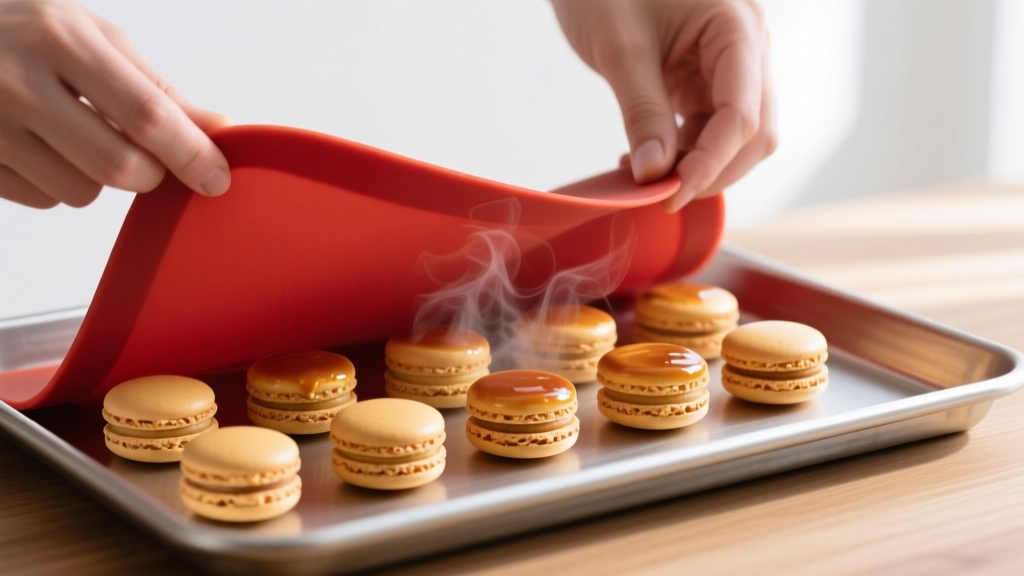
Despite its thermal stability, silicone is inherently lipophilic (fat-loving). A common failure mode reported by professional bakers is the gradual swelling and degradation of silicone mats when exposed to high-fat doughs (like croissants or shortbread) over hundreds of cycles. The lipid molecules penetrate the microscopic pores of the silicone matrix, leading to a sticky residue that standard dish soap cannot remove.
The Expert Fix: To extract trapped lipids, place the degraded silicone mat on a bare baking sheet and bake it empty at 350°F for 30 to 45 minutes. The heat vaporizes the trapped oils, allowing you to wipe them away with a paper towel before the mat cools. This thermal extraction restores the original non-stick properties and Shore A hardness of the material.
Ceramic Sol-Gel vs. Traditional PTFE: The 2026 Non-Stick Matrix
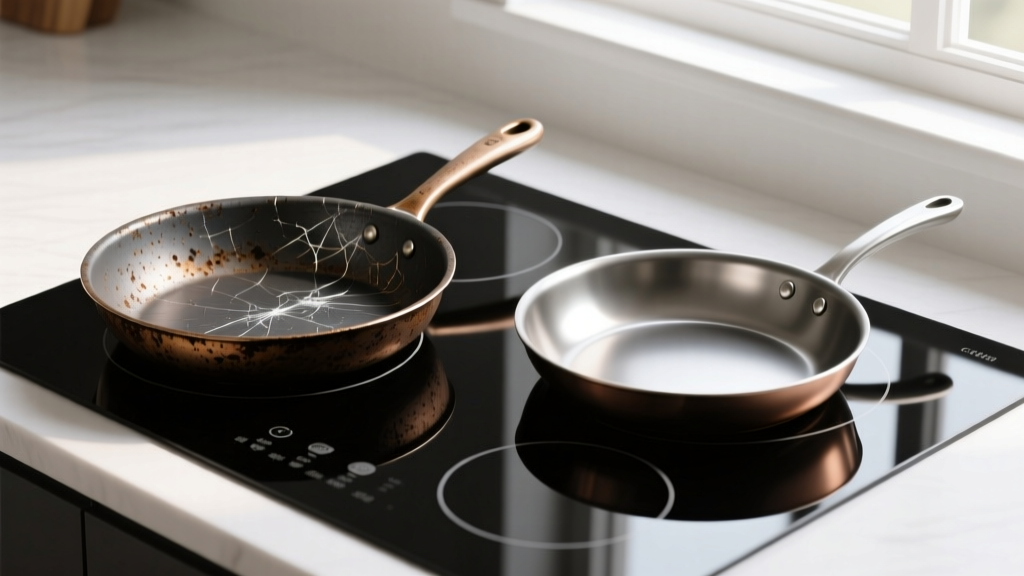
The transition away from PTFE (commonly known as Teflon) has accelerated due to environmental concerns surrounding PFAS, often termed 'forever chemicals.' The EPA's current understanding of PFAS risks has catalyzed state-level bans and a massive industry pivot toward ceramic sol-gel coatings. However, 'ceramic' in this context does not mean fired clay; it refers to a silicon dioxide (silica) based sol-gel matrix that mimics the hardness of ceramic.
| Material Profile | Max Safe Temp | Avg. Lifespan | Price Range | Primary Vulnerability |
|---|---|---|---|---|
| Traditional PTFE | 500°F (260°C) | 1 - 3 Years | $30 - $80 | Toxic off-gassing >500°F; micro-scratching from metal utensils. |
| Sol-Gel Ceramic | 550°F (288°C) | 2 - 4 Years | $60 - $200 | Hydrolytic degradation (loss of non-stick via steam/water exposure). |
| Platinum Silicone | 480°F (249°C) | 5 - 10+ Years | $20 - $50 | Lipid absorption; tearing if cut with sharp knives. |
| Carbon Steel (Seasoned) | 600°F+ (315°C+) | Lifetime | $40 - $150 | Reactive to acidic foods; requires active maintenance and oiling. |
While sol-gel ceramics offer superior initial non-stick performance and can withstand higher searing temperatures without off-gassing, they are highly susceptible to hydrolytic breakdown. Repeated exposure to boiling water, steam, or dishwasher detergents degrades the silica matrix at a microscopic level, causing the pan to lose its hydrophobic properties within 18 months if improperly cared for.
Top Performing Models: What to Buy Right Now
Based on material composition, thermal conductivity testing, and long-term durability, these specific models represent the pinnacle of the current non-stick and silicone market.
- Silpat Premium Pro Half Sheet ($29.95): The undisputed standard for silicone baking. It utilizes a high-grade fiberglass mesh core and platinum-cured silicone. Its precise 16.5 x 24.5-inch dimensions fit standard commercial half-sheet pans perfectly, preventing the buckling seen in cheaper, oversized mats. It features a Shore A hardness of 40, providing the ideal balance between flexibility for demolding and rigidity for transport.
- GreenPan Valencia Pro 10-Piece Set ($199.99): Utilizing their proprietary Thermolon Infinity Pro ceramic coating, which is reinforced with diamonds for increased abrasion resistance. The hard-anodized aluminum core ensures rapid, even heating, eliminating the hot spots that cause localized burning and subsequent coating degradation common in thinner stamped-steel pans.
- OXO Good Grips Non-Stick Pro Half Sheet ($25.99): For those who prefer rigid metal bakeware over silicone mats, this pan features a ceramic-reinforced PTFE coating. While it still contains PTFE, the ceramic reinforcement significantly increases the surface hardness, making it highly resistant to the micro-scratches that typically doom standard non-stick metal pans. The rolled edges with silicone handles prevent warping at high temperatures.
- Caraway Home Bakeware Set ($195.00): Features a mineral-based ceramic coating applied over an aluminized steel core. The inclusion of magnetic storage racks and custom-fit silicone slings addresses the organizational pain points of modern kitchens, while the sol-gel coating provides excellent release for high-sugar items like caramel and nougat.
Regulatory Outlook: The PFAS Phase-Out and What It Means
The regulatory landscape is fundamentally altering the manufacturing of kitchen gadgets. With states like California, Maine, and New York enacting strict bans on the sale of cookware containing intentionally added PFAS, and the European Union pushing for blanket restrictions, manufacturers are being forced to innovate. By 2027, it is projected that over 85% of the non-stick cookware sold in North America will utilize PFAS-free sol-gel ceramic, seasoned carbon steel, or enameled cast iron.
For consumers, this means the ultra-cheap, $15 non-stick pans found in big-box stores will either disappear or be reformulated with ceramic coatings that may not perform identically to legacy PTFE. Investing in higher-quality, reinforced ceramic or properly maintained carbon steel now will insulate your kitchen from the impending supply chain shifts and price hikes associated with the PFAS transition.
Maintenance Protocols for Longevity
To maximize the lifespan of modern sol-gel ceramic and platinum silicone tools, strict adherence to the following maintenance protocols is required:
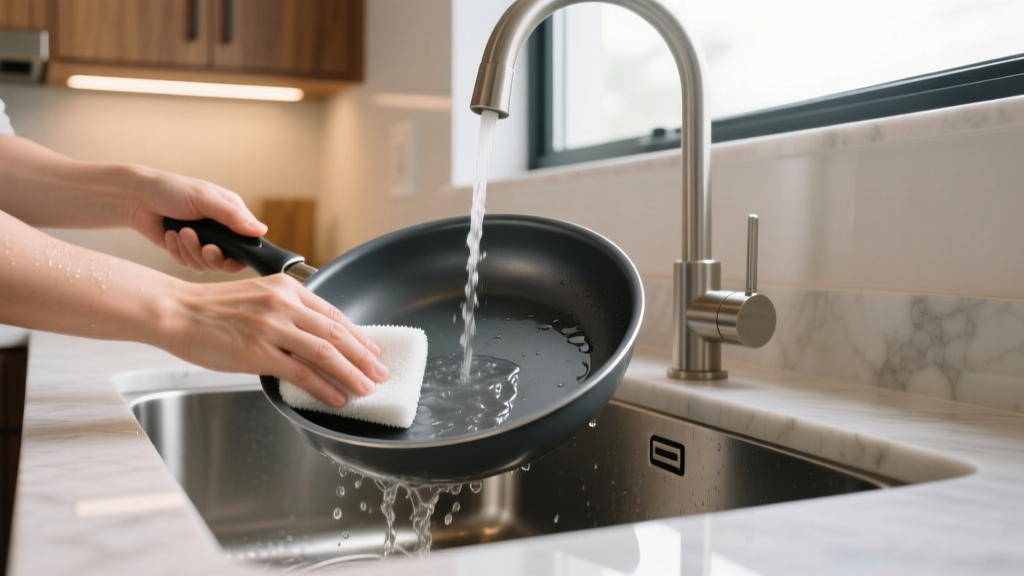
- Thermal Shock Prevention: Never place a hot ceramic-coated pan directly into a cold sink or under running water. The rapid contraction of the aluminum or steel core will cause the brittle sol-gel ceramic layer to micro-fracture, instantly destroying the non-stick surface. Allow the pan to cool to below 100°F before washing.
- Abrasive Avoidance: Discard all wire scrubbers, steel wool, and melamine sponges (Magic Erasers). Melamine sponges act as ultra-fine sandpaper and will strip the hydrophobic top layer of a ceramic pan in a single use. Use only cellulose sponges or soft silicone brushes.
- Silicone Storage: Do not store silicone mats folded or tightly rolled for extended periods, as this creates permanent stress fractures in the fiberglass core. Store them flat or loosely rolled with the baking surface facing outward to maintain structural integrity.
- Oil Selection: Avoid using aerosol cooking sprays on ceramic non-stick pans. These sprays contain lecithin and propellants that polymerize into a hard, gummy resin when heated, which bonds to the ceramic matrix and is nearly impossible to remove without damaging the coating. Use liquid oils applied with a silicone basting brush instead.
Written by
Marcus WebbMarcus Webb served as a U.S. Army logistics officer for 8 years, where he managed field equipment procurement and tactical gear evaluation across three combat deployments. After honorable discharge, he earned a certification from the Professional Knife Makers Association and became a certified Wilderness First Responder (WFR). Marcus has tested over 500 EDC products in extreme environments — from -40°F in Alaska to 120°F in the Mojave Desert — using military-spec testing protocols. His reviews of multi-tools, tactical flashlights, and survival gear are known for their rigorous methodology: controlled drop tests from 6 feet, 120-minute water submersion at 2 meters, and lateral torque testing at 45 Nm. He is a member of the Blade Show judging panel and contributes to OutdoorGearLab.