Gadget Travel Insurance vs Homeowners: Covering Tech Abroad
Discover why standard policies fail high-end tech. Compare gadget travel insurance, homeowners riders, and credit cards to protect your gear abroad.
The $1,500 Sub-Limit Trap: Why Standard Policies Fail
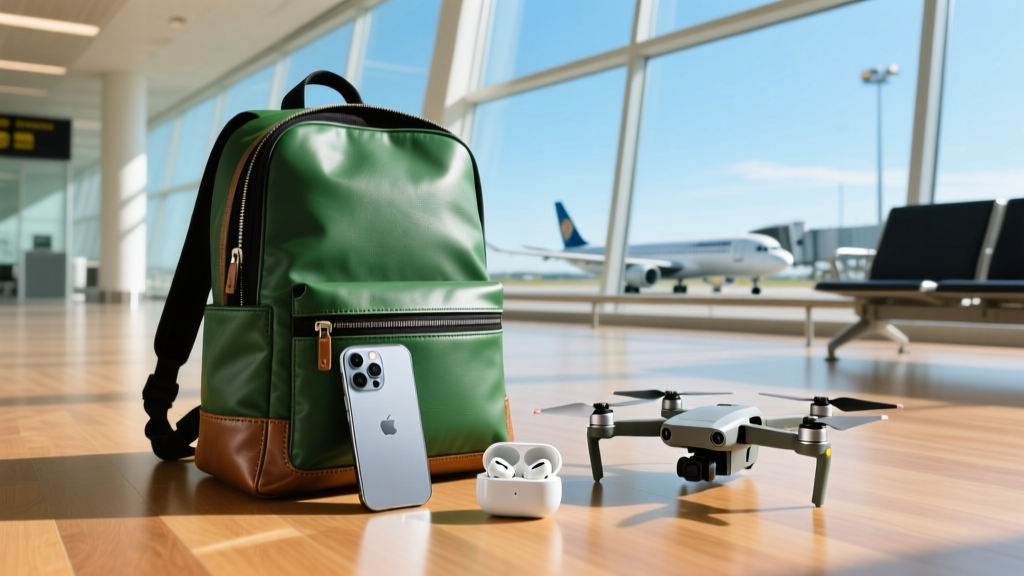
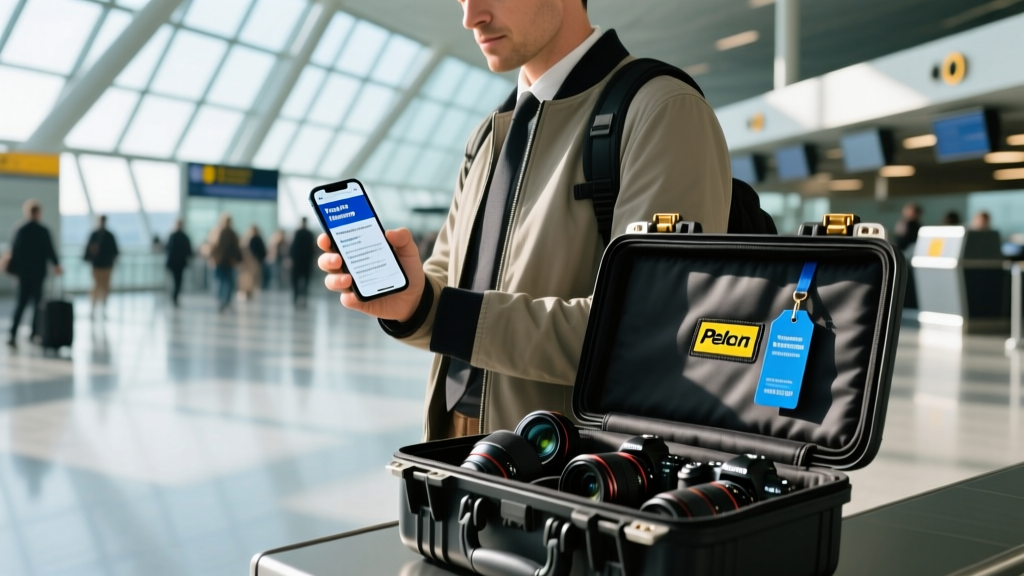
Dropping a $3,500 Sony A7RV mirrorless camera on a cobblestone street in Rome or having a $2,000 MacBook Pro snatched from a cafe in Mexico City is a traveler’s worst nightmare. The secondary nightmare? Realizing your standard homeowners or renters insurance policy will only pay out a fraction of the replacement cost. Most travelers mistakenly believe their domestic property insurance seamlessly covers them globally. In reality, standard policies are riddled with exclusions, depreciations, and sub-limits that leave tech-heavy travelers severely underinsured.
Standard homeowners and renters policies impose 'Special Limits of Liability' on portable electronics. According to the Insurance Information Institute (III), the maximum payout for electronics stolen or damaged away from your primary residence is typically capped between $500 and $1,500. If your drone costs $2,200 and the sub-limit is $1,500, you are eating the remaining $700 out of pocket—before your $1,000 standard deductible even kicks in.
Furthermore, standard travel insurance policies (like those from World Nomads or SafetyWing) are designed for medical emergencies and trip cancellations, not high-end gear protection. Most standard travel medical plans cap single-item electronics reimbursement at $500, rendering them useless for professional or enthusiast-grade equipment. To properly protect your tech, you must evaluate dedicated gadget travel insurance against riders and premium credit card perks.
Coverage Matrix: Standalone vs. Rider vs. Credit Card
Choosing the right protection requires understanding how different policies handle depreciation, deductibles, and global claims. The matrix below breaks down the three primary ways travelers attempt to insure their gear in 2026.
| Feature | Standalone Gadget Policy | Homeowners/Renters Rider | Premium Credit Card |
|---|---|---|---|
| Annual Cost (for $5k gear) | $120 - $180 | $50 - $100 (added to base) | $550+ (annual card fee) |
| Deductible | $0 - $100 (selectable) | $0 (if scheduled rider) | N/A |
| Depreciation | Replacement Cost (New) | Varies (Often Actual Cash Value) | Depreciated or Cash Value |
| Accidental Damage | Yes (Drops, Water, Spills) | Rarely (Usually theft/fire only) | No (Only carrier loss/damage) |
| Mysterious Disappearance | Yes | No | No |
As highlighted by USA.gov guidelines on travel protection, relying on credit cards for gear insurance is a common point of failure. Premium cards like the Chase Sapphire Reserve or Amex Platinum offer excellent baggage delay coverage and rental car insurance, but their purchase protection typically expires 90 days after buying the item, and their baggage loss coverage only applies if the airline physically loses your checked bag. If you drop your camera in the ocean while on a boat tour, your credit card offers zero protection.
Real-World Providers: Who Actually Insures Travel Tech?
If the matrix above proves that standalone gadget travel insurance is the most robust option, the next step is selecting a provider. Not all insurers understand the nuances of high-end travel tech. Here are the top-tier specialists for 2026:
1. Worth Ave. Group (Best for Photographers & Creators)
Worth Ave. Group specializes in high-value personal articles and is a favorite among professional photographers. They offer blanket coverage for camera gear, drones, and laptops. The Edge: They offer a $0 deductible option for a slightly higher premium, and they cover 'mysterious disappearance' (e.g., you set your bag down at a airport gate, turn around, and it is gone—a scenario standard theft policies often reject). Expect to pay roughly $15 per $1,000 of gear annually.
2. Clements Worldwide (Best for Digital Nomads & Expats)
If you are traveling for more than 30 days at a time or living abroad, Clements offers specialized Expat and Travelers insurance that includes robust personal property coverage. The Edge: They provide worldwide replacement cost coverage and allow you to adjust your inventory mid-policy via a digital portal, which is critical if you buy a new lens in Tokyo and need it covered immediately before flying to your next destination.
3. Thimble (Best for Freelancers on Short Trips)
Thimble offers on-demand commercial and equipment insurance. While technically designed for business equipment, many freelance travel videographers use Thimble to insure their gear on a per-project or per-trip basis. The Edge: You can bind coverage for exactly the 14 days you are in Patagonia shooting a documentary, paying only for the days you need it, rather than an annual premium.
The 3-Step Decision Framework for Tech Travelers
Do not buy a policy based on brand recognition alone. Use this framework to audit your actual risk profile before your next trip.
- Calculate True Replacement Cost, Not Retail: Insurers will replace a two-year-old laptop with a brand-new equivalent model. List every piece of gear over $300. If your total tech loadout exceeds $2,500, standard travel insurance is mathematically insufficient.
- Audit Your Declarations Page: Log into your homeowners or renters portal and find the 'Special Limits' section. If your away-from-home electronics limit is $1,500, and you are traveling with a $2,500 drone and a $1,200 laptop, you have a $2,200 exposure gap. You must either schedule a specific rider (which requires a recent appraisal) or buy standalone gadget insurance.
- Match Policy to Travel Style: If you take two one-week trips a year, a scheduled rider on your renters insurance is the most cost-effective route. If you are a digital nomad taking 15+ flights a year with a mobile office setup, a standalone blanket policy from Clements or Worth Ave. Group prevents the administrative nightmare of updating your homeowners policy every time you upgrade a device.
Filing a Claim Abroad: The Documentation Checklist
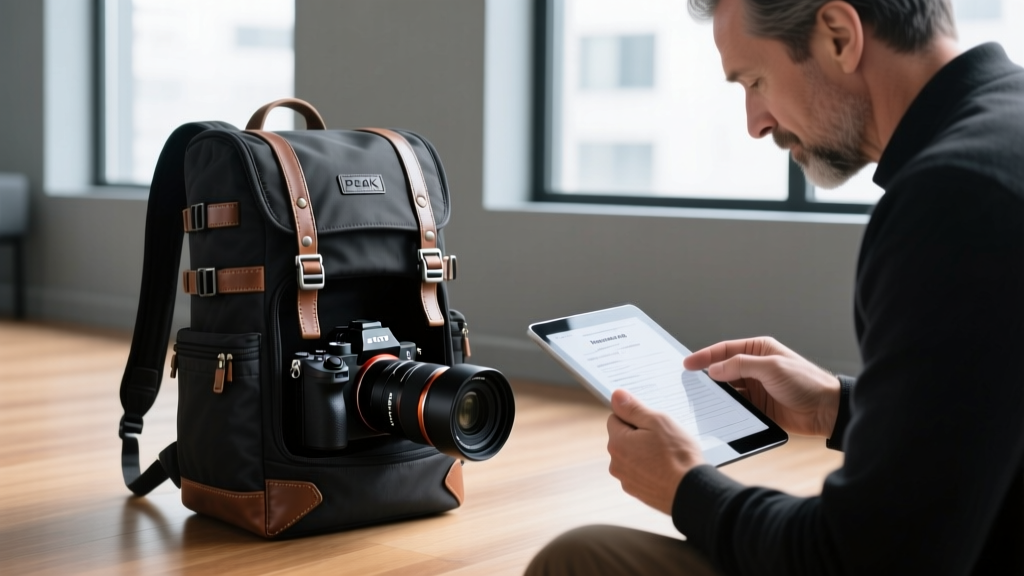
Having the right gadget travel insurance is only half the battle. Insurers routinely deny international claims due to improper documentation at the time of the incident. According to industry data from the III, claim denials spike when policyholders fail to provide localized proof of loss. Follow this exact protocol if your gear is stolen or destroyed overseas:
- Locate the 'Tourist Police': In many countries (including Thailand, Colombia, and Peru), standard local police will not file a report for a stolen phone in English, and they may deprioritize tourist theft. Seek out the designated 'Tourist Police' precinct. Insurers require a formal, translated police report filed within 24 hours of the incident.
- Secure the Carrier Irregularity Report (PIR): If your gear is damaged or lost while in the custody of an airline or train operator, you must obtain a Property Irregularity Report (PIR) from the carrier's baggage desk before leaving the terminal. Without this, the insurer will deny the claim, and the carrier will deny liability.
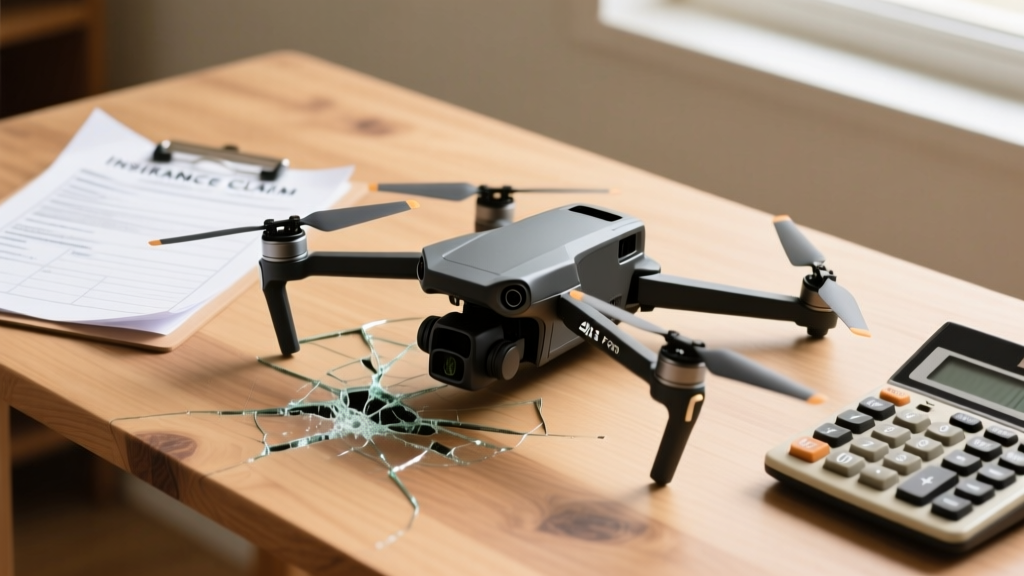
- Photograph the Damage In-Situ: If you drop your DJI Mavic 3 Pro on a hike, do not just photograph the broken drone. Photograph the drone in the exact environment where it fell to prove accidental damage rather than intentional misuse or pre-existing damage.
- Provide Serial Numbers and Proof of Purchase: Insurers will not pay out for a 'generic 16-inch laptop.' You must provide the exact serial number and the original receipt.
Pro Tip: Before every trip, record a slow, well-lit 60-second video panning across your open gear bag, clearly capturing the serial numbers etched on your camera bodies, lenses, and laptop bases. Upload this video to a private cloud folder. If your bag is stolen with the gear, you still have the serial numbers required to file the claim.
Standard travel insurance and homeowners policies are fundamentally designed for mass-market risks, leaving high-end tech travelers exposed to severe financial loss through sub-limits and depreciation clauses. If your travel tech loadout exceeds $2,500, investing $150 annually in a dedicated gadget travel insurance policy from a specialist like Worth Ave. Group or Clements Worldwide is not just a precaution—it is a mandatory operational expense for modern travel.
Written by
Tom ReynoldsTom Reynolds holds a CFA (Chartered Financial Analyst) designation and a B.S. in Finance from the University of Texas at Austin. Before entering tech journalism, he spent 6 years as a quantitative analyst at a hedge fund, building cost-benefit models for consumer product investments. Tom has maintained a proprietary database of over 10,000 tech deals for the past 8 years, developing his signature "penny-per-feature" evaluation framework that calculates the true value proposition of every gadget. His budget gadget reviews are known for their financial rigor — he tracks price history across 15+ retailers, calculates cost-per-use over 3-year lifespans, and identifies the exact inflection point where premium features justify their markup. Tom's deal alerts have saved his readers an estimated .3 million since 2018.