Sewing Gadgets Compared: Beginner vs Expert Toolkits
Discover the ultimate sewing gadgets comparison. We break down beginner vs expert toolkits, from rotary cutters to AI-driven computerized machines.
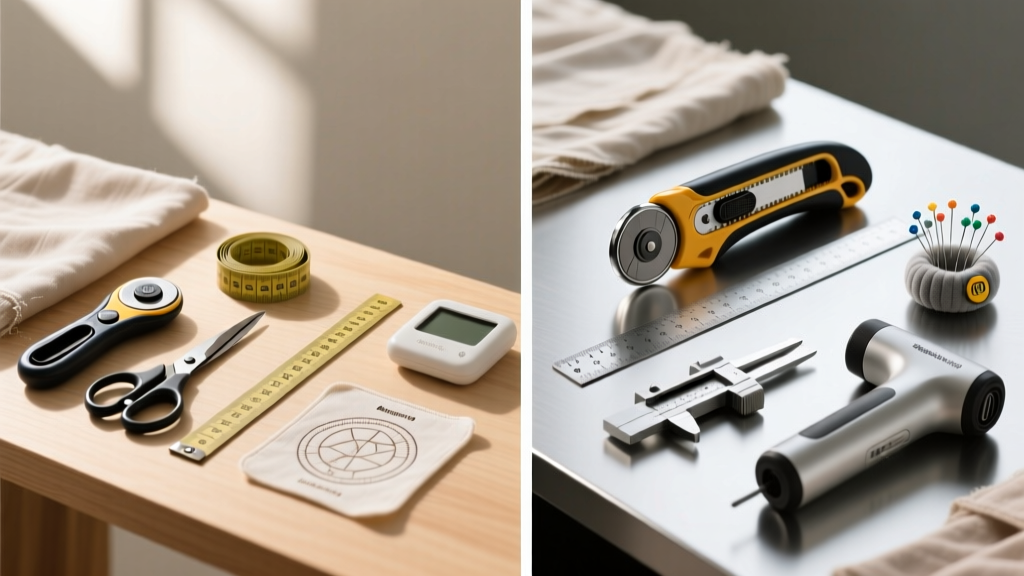
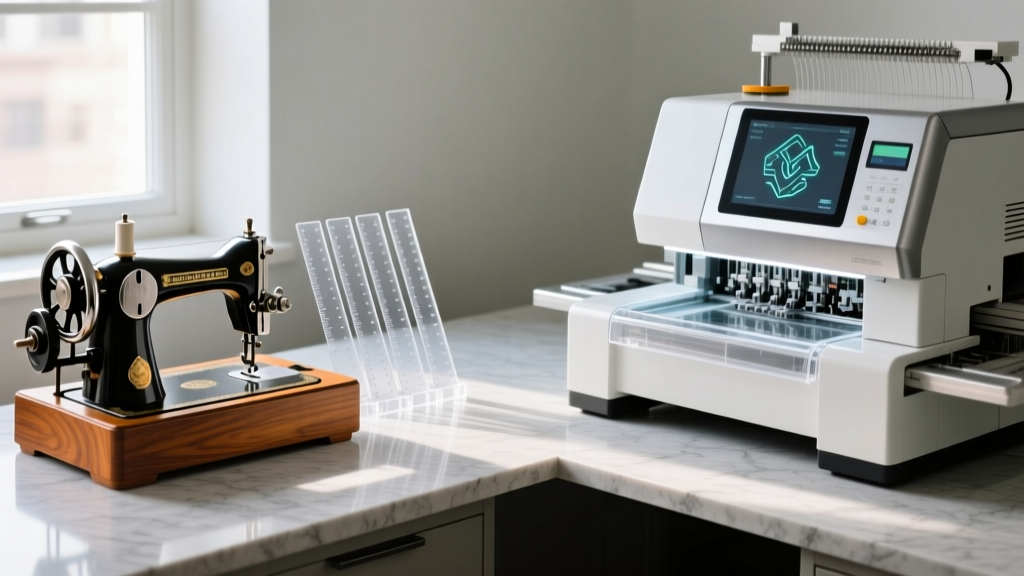
The maker movement has completely transformed how we approach textile arts. In 2026, the line between traditional crafting and digital fabrication is blurrier than ever. Whether you are assembling your first tote bag or engineering a multi-layered quilt with micro-stippling, the sewing gadgets you choose dictate your workflow, precision, and creative ceiling. But how do you know when you have outgrown your starter kit?
In this comprehensive guide, we break down the essential sewing gadgets for beginners versus the high-performance tools demanded by experts. We will examine exact model numbers, real-world pricing, and the mechanical advantages that justify an upgrade.
The Core Philosophy: Why Your Toolkit Should Evolve
Beginner gadgets prioritize forgiveness, safety, and low barriers to entry. They are designed to help you learn the fundamentals of fabric grain, tension, and seam allowances without overwhelming you with calibration. Expert gadgets, conversely, prioritize speed, repeatability, and material versatility. As Threads Magazine frequently notes in their technical reviews, an expert tool removes the physical friction between the maker's mind and the final garment, allowing for complex manipulations that would be physically exhausting with entry-level gear.
Cutting and Measuring: Manual vs. Digital Precision
Fabric cutting is where a project's structural integrity begins. A millimeter of error at the cutting mat compounds into a half-inch of misalignment by the time you reach the hem.
The Beginner Approach: Manual Control
Most makers start with an Olfa 45mm Rotary Cutter (approx. $18) paired with a Fiskars 24x36 Self-Healing Mat ($45) and heavy-duty acrylic rulers. This setup teaches you how to read grainlines and manage fabric bias. However, manual cutting introduces human error, especially when slicing through more than four layers of cotton or attempting complex curve templates.
The Expert Approach: Automated Fabrication
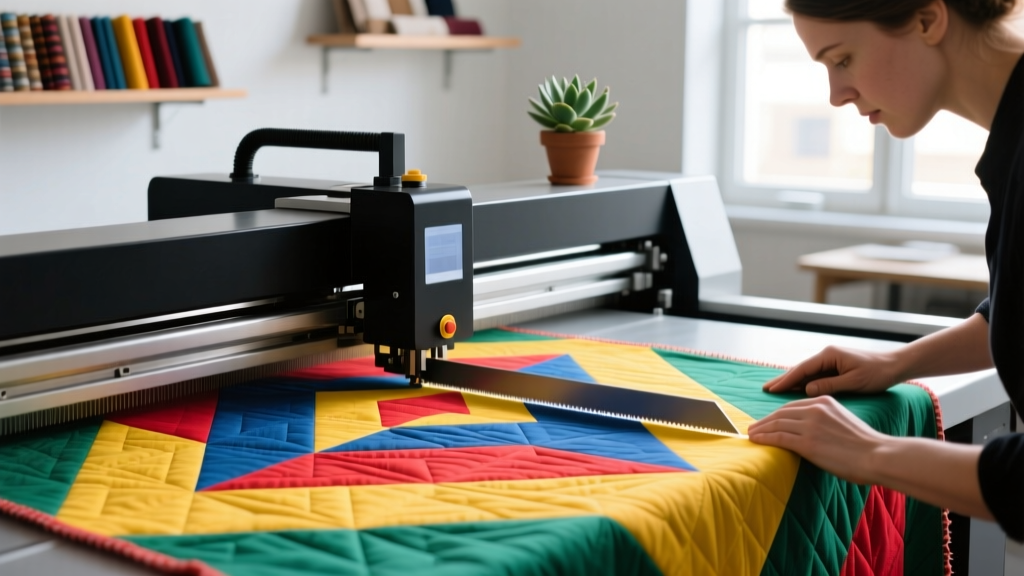
Experts and production sewists have largely adopted digital die-cutters. The Cricut Maker 3 ($399), equipped with the Rotary Blade and FabricGrip Mat, applies up to 4,000 grams of downward cutting force. This allows for flawless, repeatable cuts of delicate silks or heavy canvas without the user ever holding a blade. For quilters, the AccuQuilt GO! Fabric Cutter ($430) uses steel-rule dies to punch through six layers of fabric simultaneously, reducing cutting time by up to 90%.
| Feature | Beginner (Olfa + Fiskars Mat) | Expert (Cricut Maker 3 / AccuQuilt) |
|---|---|---|
| Initial Cost | $60 - $80 | $399 - $600+ |
| Max Fabric Layers | 4-6 (depending on fabric weight) | 6-8 (AccuQuilt) / 1 (Cricut precision) |
| Repeatability | Low (Manual measurement) | Perfect (Digital file replication) |
| Learning Curve | 1-2 hours | 10-15 hours (Software & calibration) |
The Stitching Engine: Mechanical Basics vs. Computerized Mastery
The sewing machine is the undisputed centerpiece of your gadget arsenal. The leap from a beginner mechanical machine to an expert computerized model is not just about stitch count; it is about torque, feed systems, and tension automation.
Beginner: Brother CS7000X
The Brother CS7000X (approx. $249) is a staple for novices. It offers 70 built-in stitches, a drop-in bobbin, and a maximum speed of 850 stitches per minute (SPM). It utilizes a standard feed dog system, which pulls fabric from the bottom. While excellent for woven cottons, beginners often struggle with fabric shifting when sewing knits or thick seams because the top layer is dragged by the presser foot while the bottom layer is pushed by the feed dogs.
Expert: Juki HZL-F600 & Bernina 790 PLUS
Experts demand industrial-level consistency. The Juki HZL-F600 ($1,799) features a proprietary Box Feed System. Instead of moving in an oval, the feed dogs move in a square motion, grabbing the fabric more aggressively and reducing material shrinkage and shifting to near zero. It hits a blistering 1,050 SPM and includes an automatic thread trimmer that snips threads in milliseconds via a micro-sensor.
For those incorporating embroidery, the Bernina 790 PLUS ($10,999) represents the pinnacle of 2026 sewing tech. It features a dual-feed system (integrated walking foot), a massive 13-inch harp space for king-sized quilts, and a BSR (Bernina Stitch Regulator) that uses optical sensors to ensure every free-motion stitch is exactly the same length, regardless of how fast you move the fabric.
Maker Insight: Do not upgrade your machine just for the stitch count. A beginner will rarely use more than 15 of the 200 stitches on a mid-tier machine. Upgrade when you need higher torque for heavy denim, a wider harp for quilting, or automated tension control for delicate chiffon.
Smart Sewing Gadgets: Where Tech Meets Textiles
Beyond the main machine, the ecosystem of auxiliary sewing gadgets has exploded with smart technology. According to Craftsy Sewing experts, integrating smart lighting and digital measurement tools drastically reduces eye strain and material waste.
- Beginner Lighting: Standard daylight LED desk lamps ($30-$50). They provide general illumination but often cast shadows directly over the needle plate due to poor angular positioning.
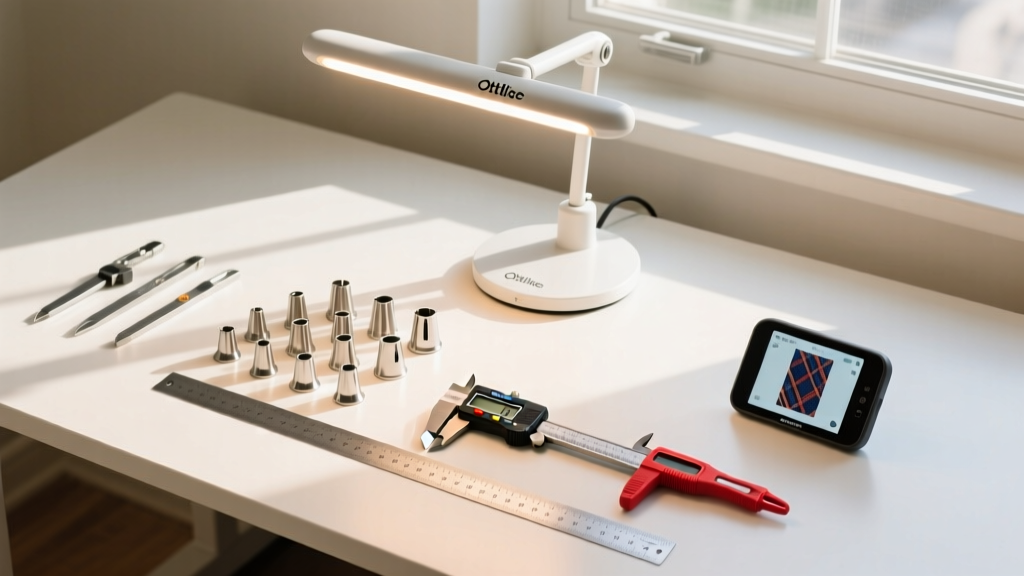
- Expert Lighting: The OttLite TrueColor Executive Desk Lamp ($160) uses proprietary spectral tuning to render fabric colors exactly as they will appear in natural sunlight, preventing costly dye-matching errors in garment construction.
- Beginner Guides: Adhesive magnetic seam guides ($8). Useful, but they can slip when sewing at high speeds or when pulling heavy fabric.
- Expert Guides: Laser projection guides and AI-assisted alignment. High-end machines now project the exact stitch path onto the fabric using micro-lasers, eliminating the need for physical chalk marking or pins.
Decision Matrix: When to Upgrade Your Sewing Gadgets
How do you know when it is time to invest in expert-level gear? Use this practical framework to evaluate your current toolkit:
- The Tension Test: If you spend more than 5 minutes adjusting thread tension every time you switch from woven to knit fabrics, you need a machine with automatic digital tension sensors.
- The Fatigue Factor: If your wrist aches after cutting out a multi-piece PDF pattern, it is time to invest in a digital fabric cutter or a heavy-duty hydraulic die press.
- The Bottleneck Metric: Time your thread-cutting process. If manual snipping adds more than 15 minutes to a complex project, a machine with an automatic micro-thread trimmer will pay for itself in time saved within a year.
- The Precision Ceiling: If your free-motion quilting stitches look uneven despite hours of practice, a Stitch Regulator (BSR) gadget is the technological bridge you are missing.
Frequently Asked Questions
Are expensive sewing gadgets worth it for casual hobbyists?
If you only sew occasionally to mend clothes or make simple pillows, expert gadgets will yield diminishing returns. A $250 mechanical machine and a $20 rotary cutter will serve you perfectly. However, if you are selling items on Etsy or tackling complex tailoring, the speed and precision of expert tools directly impact your hourly output and product quality.
Can I use a Cricut Maker for all my fabric cutting needs?
While the Cricut Maker 3 is phenomenal for intricate applique and pattern pieces, it requires a sticky cutting mat and cannot easily handle continuous yardage cutting like a traditional rotary cutter and long ruler. Most expert makers use a hybrid approach: digital cutters for complex shapes, and manual rotary tools for long, straight border cuts.
What is the most underrated sewing gadget for beginners?
A Seam Ripper with an Ergonomic Soft-Grip and Safety Ball (like the Clover Premium Ergo Seam Ripper, $12). Beginners make mistakes; a high-quality, razor-sharp seam ripper prevents fabric tears and reduces the frustration of unpicking stitches, making the learning process significantly smoother.
Final Thoughts
The journey from beginner to expert maker is paved with deliberate tool acquisitions. While sewing gadgets cannot replace the fundamental skills of patience and practice, the right equipment removes physical barriers, allowing your creativity to flow unimpeded. Assess your current bottlenecks, invest in the technology that solves your specific pain points, and watch your textile engineering reach new heights in 2026 and beyond.
Written by
Tom ReynoldsTom Reynolds holds a CFA (Chartered Financial Analyst) designation and a B.S. in Finance from the University of Texas at Austin. Before entering tech journalism, he spent 6 years as a quantitative analyst at a hedge fund, building cost-benefit models for consumer product investments. Tom has maintained a proprietary database of over 10,000 tech deals for the past 8 years, developing his signature "penny-per-feature" evaluation framework that calculates the true value proposition of every gadget. His budget gadget reviews are known for their financial rigor — he tracks price history across 15+ retailers, calculates cost-per-use over 3-year lifespans, and identifies the exact inflection point where premium features justify their markup. Tom's deal alerts have saved his readers an estimated .3 million since 2018.