Beyond Gadget Penny Porn: Sustainable Phone Accessories
Stop the cycle of disposable e-waste. Discover the best eco-friendly wireless chargers, modular gimbals, and durable lens kits for sustainable mobile tech.
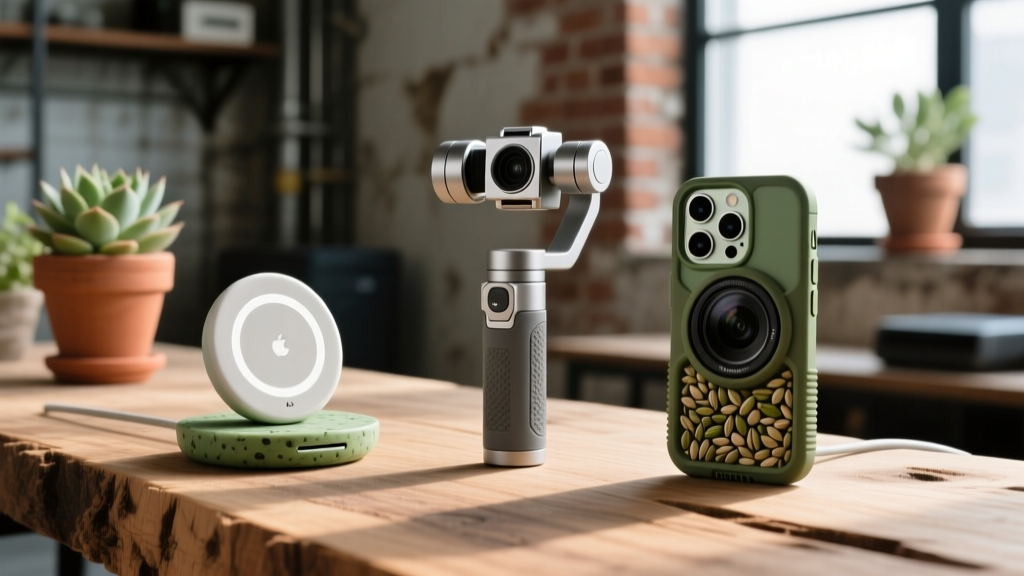
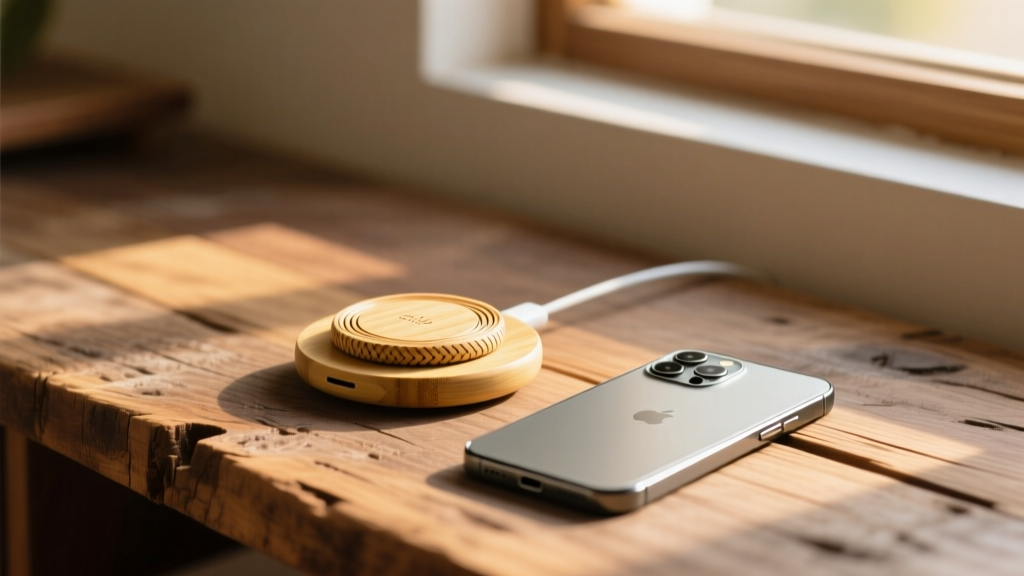
We have all fallen victim to gadget penny porn—the obsessive, late-night doom-scrolling for $4 wireless charging pads, $12 plastic smartphone gimbals, and $8 acrylic lens kits. The dopamine hit of securing a micro-deal on a bulk-order marketplace is undeniable. But as we survey the tech landscape in 2026, the hidden environmental and financial toll of this hyper-frugal obsession is impossible to ignore. Cheap phone accessories are a primary driver of the peripheral e-waste crisis, characterized by non-replaceable batteries, unrecyclable mixed plastics, and planned obsolescence.
If you are a tech enthusiast looking to align your mobile setup with eco-friendly principles, it is time to break the cycle. Investing in sustainable, repairable, and modular phone accessories not only reduces your carbon footprint but actually saves you money over the lifecycle of your devices. Here is your definitive guide to upgrading your mobile kit with sustainable wireless chargers, gimbals, and lens systems.
The Hidden Cost of Gadget Penny Porn
The term 'gadget penny porn' perfectly encapsulates the modern consumer's obsession with ultra-cheap, disposable electronics. But the true cost is externalized to the planet. According to the UN Global E-waste Monitor, humanity generates over 62 million metric tons of electronic waste annually, and a staggering percentage of this comes from small IT and telecommunication accessories like chargers and wearable tech.
When you buy a $5 no-name wireless charger, you are likely getting a coil with poor thermal regulation. This excess heat degrades your smartphone's lithium-ion battery chemistry, potentially costing you a $99 battery replacement down the line. Sustainable tech isn't just about the materials used to build the accessory; it is about protecting the $1,000 device it connects to.
Sustainable Wireless Chargers: Ditching Disposable Plastics
The market is saturated with glossy, injection-molded plastic charging pucks that will sit in a landfill for centuries. The eco-friendly alternative focuses on recycled materials, energy efficiency, and adherence to the universal Qi2 standard to ensure cross-generational compatibility.
Top Pick: Nimble Eco-Friendly MagSafe Charger
Nimble has built its entire brand around closing the e-waste loop. Their premium wireless charging pads are constructed from 72% recycled materials, including ocean-bound plastics and recycled aluminum. Priced at approximately $49.99, the Nimble charger features a braided cable made from recycled PET bottles.
- Material: Recycled aluminum base, ocean-bound plastic housing.
- Efficiency: Qi2 certified 15W output with advanced thermal throttling to protect battery health.
- End-of-Life: Every Nimble product includes a prepaid e-waste return shipping label in the box.
By standardizing on Qi2 in 2026, you ensure that your magnetic charger will remain compatible with future smartphone releases, preventing the 'dongle waste' that plagued the early USB-C transition.
Gimbals and Grips: Modular Over Disposable
Traditional smartphone gimbals are a sustainability nightmare. They contain complex brushless motors, glued-in lithium batteries, and brittle plastic joints. When a single axis motor fails or the internal battery degrades after 300 charge cycles, the entire $100+ unit becomes unrepairable e-waste. The Right to Repair movement has long highlighted how glued-in components artificially shorten product lifespans.
The Modular Solution: ShiftCam SnapGrip
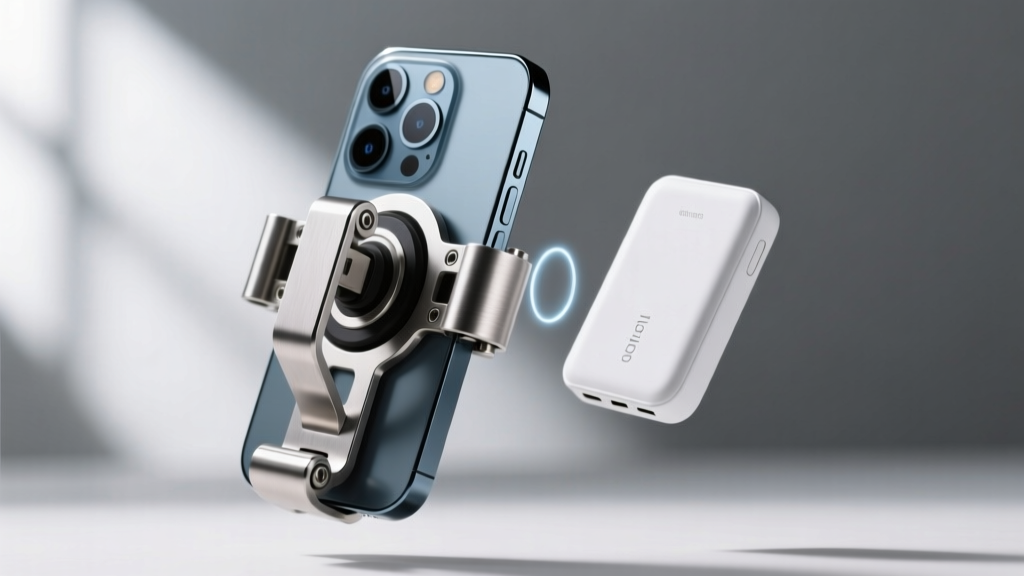
Instead of a traditional 3-axis gimbal, the ShiftCam SnapGrip ($99) offers a modular, eco-conscious alternative for mobile filmmakers. It functions as a magnetic camera grip, a desktop tripod, and a swappable power bank.
Why Modularity Matters: If the power bank component of the SnapGrip degrades after three years of heavy use, you don't throw away the grip, the magnets, or the tripod legs. You simply replace the power bank module. This design philosophy extends the product's usable life by an estimated 400% compared to sealed, traditional gimbals.
Furthermore, the SnapGrip eliminates the need to buy separate plastic power banks and bulky phone cages, consolidating three accessories into one durable, repairable unit.
Lens Kits: Optical Glass vs. Acrylic E-Waste
Search for 'smartphone lens kit' on any budget marketplace, and you will find dozens of $15 sets featuring wide-angle, macro, and fisheye lenses. These cheap lenses are almost universally made from stamped acrylic plastic and housed in low-grade ABS. They scratch if you look at them wrong, introduce severe chromatic aberration, and degrade within months.
Investment Grade: Moment T-Series Lenses
Sustainable photography gear means buying once and keeping it through multiple phone upgrades. Moment T-Series lenses (starting around $119.99 for the 18mm Wide) are machined from aerospace-grade aluminum and feature hand-polished optical glass with multi-layer anti-reflective coatings.

Because Moment utilizes a standardized bayonet mount system, you can purchase a new eco-friendly phone case with the T-Series mount when you upgrade your phone, while keeping the heavy, resource-intensive glass and metal lenses for decades. The EPA's electronics recycling guidelines emphasize extending the life of resource-heavy manufacturing; keeping a precision-ground glass lens in your bag for ten years is the ultimate form of tech sustainability.
The 3-Year Total Cost of Ownership (TCO) Matrix
To truly understand why escaping gadget penny porn is financially and environmentally superior, we must look at the Total Cost of Ownership over a standard 36-month smartphone lifecycle.
| Accessory Category | Budget 'Penny Porn' Route | Sustainable / Premium Route | 3-Year E-Waste Generated |
|---|---|---|---|
| Wireless Chargers | $15 (Replaced 3x due to coil failure/heat) | $50 (Nimble Qi2 - lasts entire cycle) | 3 plastic pucks vs. 0 (Trade-in) |
| Stabilization | $30 (Sealed plastic gimbal, battery dies at 18 mo) | $99 (ShiftCam Modular - swap battery) | 1 unrecyclable motor unit vs. 0 |
| Lens Attachments | $20 (Acrylic scratches, replaced 2x) | $120 (Moment Glass & Aluminum) | 2 scratched plastic lenses vs. 0 |
| TOTAL 3-YEAR COST | $155 (Plus hidden battery degradation) | $269 (Retains 60% resale value) | Heavy Landfill Impact vs. Near Zero |
When you factor in the resale value of premium metal and glass accessories on secondary markets, the price gap narrows to virtually nothing, while the environmental savings are massive.
A Decision Framework for Spotting Greenwashing
Not every brand that uses the word 'eco' in its marketing is actually sustainable. Use this framework to evaluate your next phone accessory purchase:
- Material Transparency: Does the brand state exact percentages? 'Made with recycled materials' is a red flag. 'Made with 72% post-consumer recycled ocean plastics' is verifiable.
- Repairability & Teardowns: Check iFixit or YouTube teardowns. Are the components glued together, or held by standard Torx/Phillips screws? Can the battery be replaced?
- Packaging: Is the product wrapped in single-use clamshell plastics, or housed in FSC-certified compostable paper pulp?
- End-of-Life Programs: Does the manufacturer offer a take-back or trade-in program? True sustainable brands take responsibility for their products at the end of their lifecycle.
Frequently Asked Questions
Are bamboo phone accessories actually sustainable?
Bamboo is a highly renewable, fast-growing resource that requires no pesticides. However, its sustainability depends on the binding agents used. If bamboo fibers are mixed with toxic melamine resins to form hard plastic-like cases or charger housings, they become unrecyclable. Look for brands that use natural plant-based resins or pure carved bamboo with non-toxic sealants.
Does using a cheap wireless charger really damage my phone?
Yes. Budget chargers often lack the sophisticated thermal management chips found in premium Qi2-certified chargers. Excess heat is the number one enemy of lithium-ion batteries. Consistently charging your phone on a poorly regulated $5 pad can reduce your battery's maximum capacity by up to 15% faster than using a thermally optimized, sustainable alternative.
How do I responsibly dispose of my old, cheap tech accessories?
Never throw electronics in the household trash. Retailers like Best Buy and Staples offer free e-waste recycling kiosks for cables, chargers, and small electronics. For larger items like broken gimbals, check your local municipal hazardous waste facility or use mail-in programs provided by organizations like Call2Recycle.
Written by
Priya SharmaPriya Sharma holds a Ph.D. in Acoustical Engineering from the University of Southampton and a B.Tech in Electronics from IIT Delhi. She has spent 9 years as a consumer electronics journalist, with deep specialization in audio equipment, camera systems, and assistive technology. Priya is an active member of the Audio Engineering Society (AES) and has co-authored papers on spatial audio perception published in the Journal of the Acoustical Society of America. Her reviews of headphones, portable DACs, and studio monitors include objective measurements using Audio Precision analyzers alongside subjective listening tests. She also serves on the advisory board of the Global Accessibility Reporting Initiative (GARI), evaluating mobile devices for users with visual and hearing impairments.