Eco-Friendly AR Glasses: Cool New Tech Gadgets for 2026
Discover the most sustainable AR wearables and smart glasses of 2026. We review eco-friendly materials, repairability, and low-power displays.


The Hidden E-Waste Problem in Augmented Reality
The rapid proliferation of wearable computing has introduced a severe ecological blind spot: micro-electronics e-waste. According to the Global E-waste Monitor, wearable devices contribute to the fastest-growing segment of electronic waste, largely due to non-replaceable micro-batteries and mixed-material frames that defy traditional recycling streams. When evaluating cool new tech gadgets in the AR and smart glasses space, enthusiasts must look beyond processing power and field-of-view metrics to scrutinize lifecycle sustainability.
The primary failure point in 90% of smart glasses is the lithium-polymer (LiPo) battery. Most stem-integrated batteries range from 100mAh to 150mAh. After 400 to 500 charge cycles—roughly 18 months of daily use—these cells degrade below 80% capacity. If the battery is glued into the acetate or TR90 plastic temple (as seen in early-generation wearables), the entire device becomes disposable. In 2026, the most sustainable manufacturers have pivoted to modular stem designs and bio-based polymers to combat this planned obsolescence.
Material Science: Bio-Acetate vs. Standard TR90
The environmental footprint of smart glasses begins with the frame. Traditional eyewear and early smart glasses rely on TR90 (a thermoplastic polyamide) or standard cellulose acetate, which requires petroleum-based plasticizers and toxic solvents during manufacturing. The 2026 standard for eco-conscious wearables is Bio-Acetate (specifically Mazzucchelli M49 or equivalent formulations).
- Standard Cellulose Acetate: Derived from wood pulp but relies on phthalate-based plasticizers. Takes hundreds of years to break down and releases microplastics.
- TR90 Polyamide: Highly durable and flexible, but entirely petroleum-derived. Extremely difficult to separate from embedded copper wiring and micro-PCBs during recycling.
- Bio-Acetate (M49): Composed of up to 68% bio-based content (cotton and wood pulp) combined with bio-based plasticizers derived from vegetable oils. It is biodegradable in controlled industrial composting environments and significantly reduces reliance on fossil fuels.
Top Sustainable Smart Glasses & AR Wearables for 2026
We evaluated the current market based on three pillars: material sourcing, repairability index, and operational energy efficiency. Here are the standout eco-friendly models.
1. Brilliant Labs Frame (Open-Source & Modular)
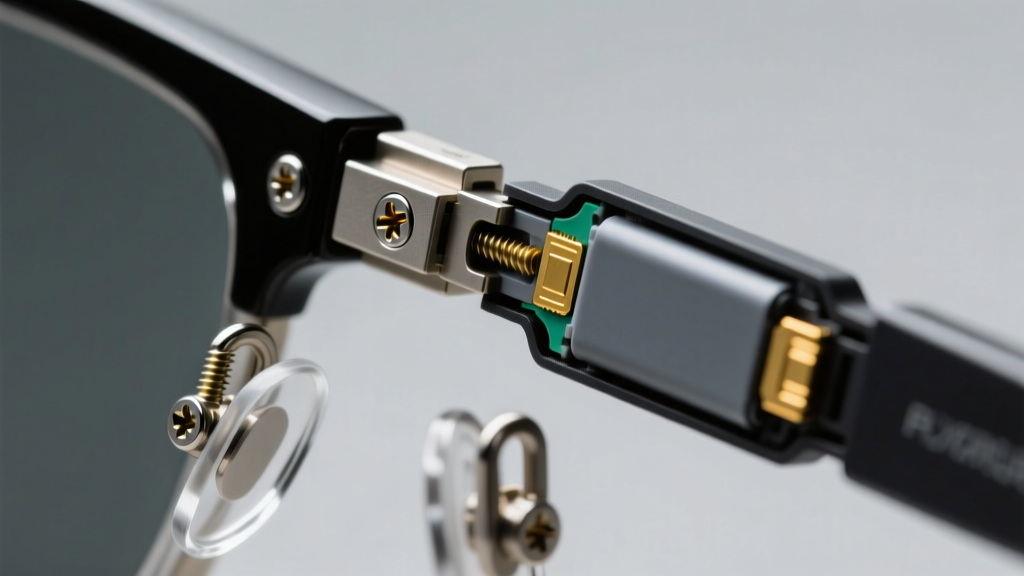
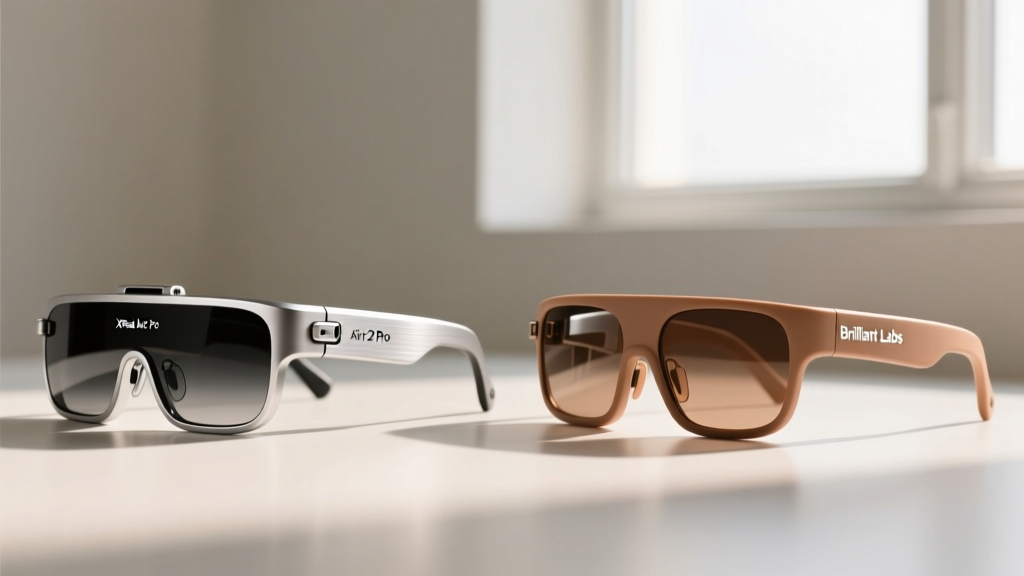
Brilliant Labs has carved out a niche for the eco-conscious hacker. The Frame is an open-source AI wearable that prioritizes repairability over sleek, sealed aesthetics. Priced at $349, it features a 640x400 micro-OLED display and a modular stem design. The battery and main PCB are secured with standard Torx T2 micro-screws rather than adhesive. If the battery degrades, users can order a $15 replacement cell and swap it in under five minutes. The frame utilizes recycled magnesium alloys and bio-resins, keeping its embedded carbon footprint remarkably low.
2. Ray-Ban Meta (Bio-Acetate Wayfarer Edition)
EssilorLuxottica’s collaboration with Meta has matured beyond standard plastics. The 2026 Bio-Acetate Wayfarer edition ($329) integrates a 12MP ultrawide camera and spatial audio into a frame made from 68% bio-based materials. While the internal 150mAh battery is not user-replaceable, Meta has partnered with the EPA’s Sustainable Electronics Initiative to offer a guaranteed mail-in battery replacement service for $49, extending the device's life by an additional two to three years. The packaging is also 100% post-consumer recycled molded pulp, eliminating single-use plastics.
3. Xreal Air 2 Pro (Energy-Efficient Micro-OLED)
For pure AR display enthusiasts, the Xreal Air 2 Pro ($399) leads in operational sustainability. Rather than drawing heavy wattage, it utilizes Sony’s latest 0.55-inch Micro-OLED panels that consume a mere 1.2W at peak brightness (400 nits). This extreme energy efficiency means the connected host device (phone or compute puck) drains significantly slower, reducing the overall daily charging cycles and grid dependency. The hinges and structural bridges are milled from 100% post-consumer recycled aluminum, and the electrochromic dimming layer requires zero continuous power to maintain its darkest tint state.
| Model | Frame Material | Repairability | Power Draw | MSRP |
|---|---|---|---|---|
| Brilliant Labs Frame | Bio-Resin / Recycled Mg | High (User-swappable) | ~0.8W (OLED) | $349 |
| Ray-Ban Meta (Bio) | M49 Bio-Acetate | Medium (Mail-in service) | ~1.5W (Audio+Cam) | $329 |
| Xreal Air 2 Pro | Recycled Aluminum / TR90 | Low (Factory sealed) | ~1.2W (Micro-OLED) | $399 |
The Repairability Index: What to Look For Before Buying
When evaluating the ecological viability of smart glasses, use this checklist to determine if a device will end up in a landfill or stay on your face for half a decade:
- Fastener Visibility: Are the hinges and stem caps secured with standard screws (Phillips #000 or Torx T2/T3), or are they hidden beneath cosmetic caps and ultrasonic welds? Visible screws indicate a design intended for disassembly.
- Adhesive Softening Point: If adhesive is used, does the manufacturer provide the exact thermal softening point (usually between 60°C and 80°C for electronics-grade tape)? This allows independent repair shops to open the device without cracking the bio-acetate.
- Modular Stems: The best eco-friendly designs separate the compute core and battery into the stems, connecting to the optical bridge via magnetic pogo-pins or micro-USB-C. This allows you to upgrade the processing unit without discarding the prescription lenses and front frame.
- Software Longevity: Hardware sustainability is moot if the software is abandoned. Prioritize devices with open-source firmware or guaranteed 5-year security and API update pledges.
Final Verdict: Balancing Innovation and Ecology
The intersection of augmented reality and sustainability is no longer an oxymoron. By shifting toward bio-acetates, standardized micro-screws, and ultra-low-power micro-OLED displays, the industry is finally addressing the e-waste crisis inherent in wearable tech. For the DIY enthusiast who demands absolute control over their hardware's lifecycle, the Brilliant Labs Frame remains the undisputed champion of repairability. However, for users seeking mainstream aesthetics without the ecological guilt, the Ray-Ban Meta Bio-Acetate edition paired with their official battery replacement program offers the most practical balance of daily utility and environmental responsibility.
Written by
Ryan TanakaRyan Tanaka holds a B.S. in Mechanical Engineering from Oregon State University and is a certified AWS Solutions Architect. He has built over 80 custom electronics projects ranging from CNC machines to IoT sensor networks, and has reviewed development boards, 3D printers, soldering equipment, and maker tools for the past 6 years. Ryan is an active contributor to 12 open-source hardware projects on GitHub and teaches monthly workshops at three hackerspaces across the Pacific Northwest. His reviews combine engineering rigor with accessibility — he evaluates products not just on specs but on documentation quality, community support, and learning curve for beginners. He has presented at Maker Faire Bay Area, Open Hardware Summit, and the Adafruit community showcase, and maintains a popular blog documenting his build processes.