The Best ADHD Gadgets to Gift in 2026: A Focus Guide
Discover the best ADHD gadgets to gift in 2026. From visual timers to smart fidgets, this guide helps neurodivergent minds build focus and daily routines.
Why Gifting for the ADHD Brain Requires a Different Approach
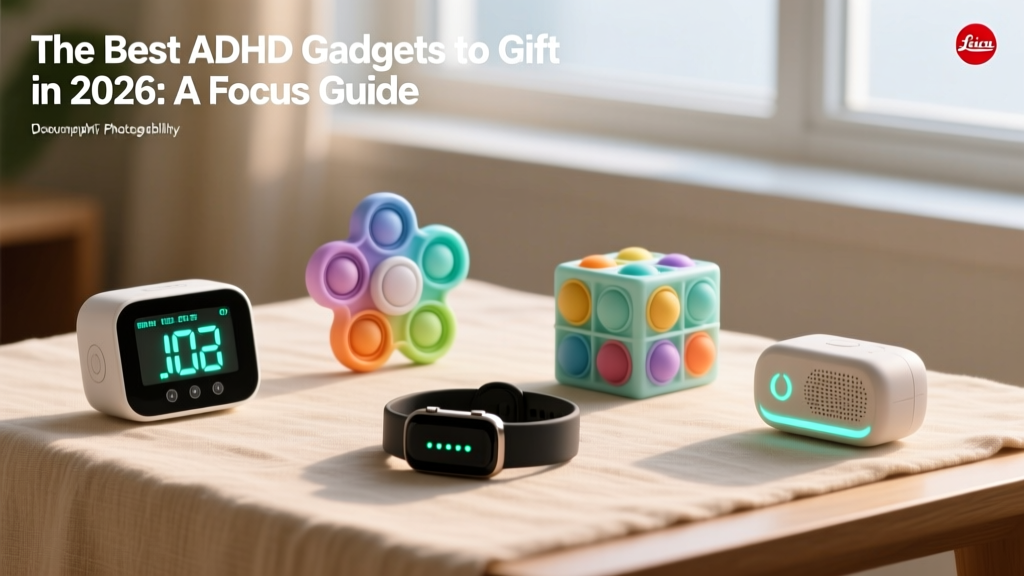
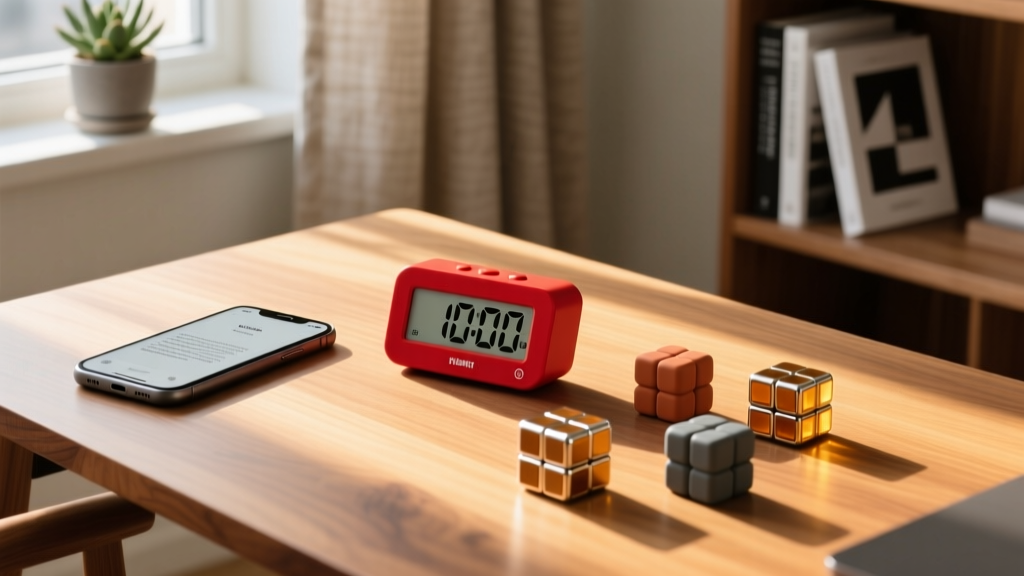
Finding the perfect gift for someone with Attention-Deficit/Hyperactivity Disorder (ADHD) means looking past traditional planners and productivity apps. The neurodivergent brain does not struggle with a lack of desire to focus; it struggles with executive function bottlenecks like time blindness, working memory deficits, and dopamine regulation. In 2026, the market for adaptive technology has matured significantly. We are no longer relying on gimmicky fidget spinners; instead, we have access to sophisticated 'executive function prosthetics' designed to reduce cognitive friction.
As a senior accessibility reviewer, I have tested dozens of adaptive tools over the past year. This gift guide bypasses the fluff and focuses strictly on high-utility ADHD gadgets that address specific neurological hurdles. Whether you are shopping for a college student, a remote worker, or a creative professional, these tools offer tangible support for daily routines.
The 2026 Decision Framework: Matching the Gadget to the Deficit
Before selecting a gift, identify the primary executive function challenge the recipient faces. According to ADDitude Magazine's research on time blindness, treating all ADHD symptoms with the same tool is a recipe for unused gadgets gathering dust in a drawer. Use this framework to guide your purchase:
- Time Blindness: The inability to sense the passage of time. Solution: Spatial and haptic timers.
- Working Memory Deficits: Dropping thoughts before they can be recorded. Solution: Low-friction, distraction-free capture devices.
- Sensory Overload & Understimulation: Difficulty filtering background noise or needing tactile input to maintain focus. Solution: Acoustic filters and high-resistance fidgets.
Category 1: Conquering Time Blindness with Visual Anchors
Time blindness is one of the most pervasive traits of ADHD. Digital numbers on a phone screen are abstract and easily ignored. The goal here is to make time physical and visual.
Time Timer MOD Visual Timer ($34.99)
The Time Timer MOD remains the gold standard for visual time tracking. Measuring 4.7 x 4.7 inches, it features a patented red disk that slowly disappears as time elapses. The 2026 MOD version includes a silicone bumper for drop protection and a magnetic back, allowing it to stick to a whiteboard or fridge. Unlike phone timers, it provides zero digital distractions. You simply twist the dial to set up to 60 minutes. The optional audio alert is loud enough to break through hyperfocus but can be muted for sensory-sensitive users.
TickTime Mini Hexagonal Timer ($59.00)
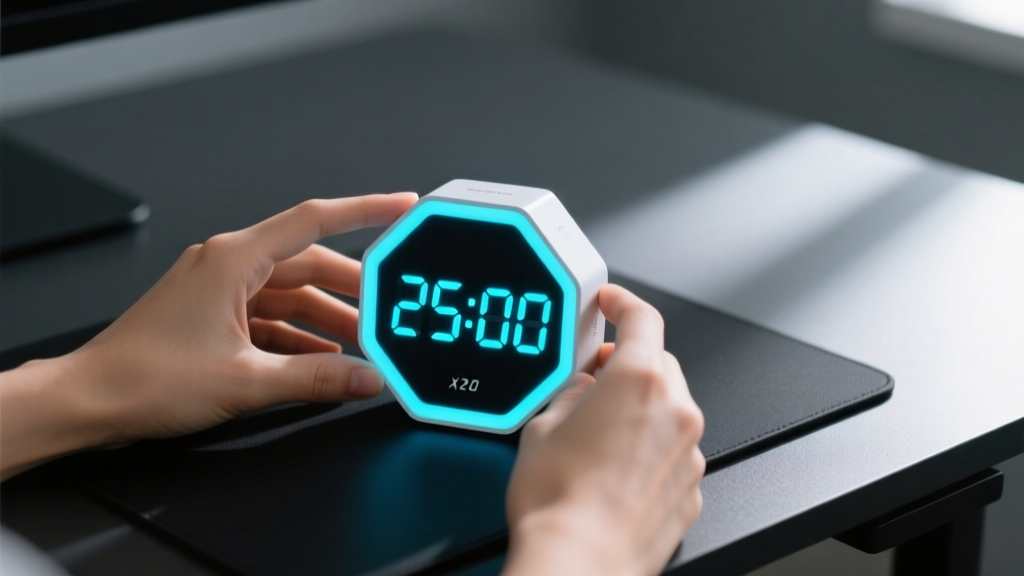
For the tech-inclined ADHDer who prefers a modern aesthetic, the TickTime Mini is a masterpiece of industrial design. This 7.5 cm tall hexagonal device uses gyroscopic sensors; you simply flip it to a numbered side (e.g., 25 for a Pomodoro session) to start the countdown. The LED display is crisp, and the haptic feedback provides a satisfying physical click when time is up. It is an excellent gift for programmers or writers who utilize time-blocking techniques but hate fiddling with apps.
Category 2: Working Memory and Distraction-Free Capture
When an ADHD brain has a brilliant idea, the friction of unlocking a smartphone, opening a notes app, and avoiding a barrage of notifications often causes the thought to vanish. The best capture devices offer instant-on functionality with zero internet-based distractions.
Boox Palma E-Ink Pocket Notebook ($279.00)
The Boox Palma bridges the gap between a smartphone and an e-reader. Featuring a 6.13-inch E Ink Carta 1200 display (339 PPI), it is the size of a standard phone but lacks a SIM card slot, inherently preventing doomscrolling. Running on Android 11, users can install lightweight note-taking apps like Obsidian or Notion. The E Ink screen drastically reduces blue light exposure and visual overstimulation, making it an ideal bedside capture device for the 'racing thoughts' that often plague ADHDers at 2:00 AM.
reMarkable Paper Pro ($599.00)
If your recipient is a visual thinker or a student, the reMarkable Paper Pro is an unparalleled investment. The 11.8-inch CANVAS color display allows for mind-mapping and color-coded brainstorming without the glare or notifications of an iPad. The latency is virtually zero, mimicking the exact friction of a pencil on paper. According to CHADD's weekly insights on cognitive load, offloading working memory to an external, reliable system is crucial for managing complex projects, and the reMarkable does this without introducing digital fatigue.
Comparison Matrix: Price, Battery, and Sensory Profile
To help you narrow down the perfect gift, here is a side-by-side comparison of the top cognitive support gadgets featured in this guide.
| Gadget | Target Deficit | Price (USD) | Battery Life | Sensory Output |
|---|---|---|---|---|
| Time Timer MOD | Time Blindness | $34.99 | ~12 months (AA) | Visual (Red Disk), Optional Audio |
| TickTime Mini | Task Initiation | $59.00 | ~3 months (USB-C) | Visual (LED), Haptic Vibration |
| Boox Palma | Working Memory | $279.00 | ~3 weeks (E-Ink) | Tactile, Low-Light Visual |
| Loop Experience 2 | Sensory Overload | $24.95 | N/A (Passive) | Acoustic Dampening |
| Speks Crags | Understimulation | $29.95 | N/A (Magnetic) | High-Resistance Tactile |
Category 3: Dopamine Regulation and Sensory Gating
ADHD is fundamentally a regulation issue. Sometimes the brain requires tactile stimulation to generate enough dopamine to focus on a mundane task. Other times, the environment is too loud, bright, or chaotic, leading to a complete executive shutdown.
Speks Crags Magnetic Putty ($29.95)
Standard fidget toys often become mindless distractions. Speks Crags, however, offer high-resistance tactile feedback. This magnetic putty requires actual physical effort to pull apart and mold, providing deep proprioceptive input that helps ground an anxious or under-stimulated nervous system. It is quiet, making it perfect for office environments or university lecture halls where clicking fidgets would be disruptive.
Loop Experience 2 Earplugs ($24.95)
For the ADHDer who experiences sensory overload in crowded spaces, the Loop Experience 2 is a game-changer. Unlike foam earplugs that muffle sound and cause isolation, these acoustic channels reduce volume by exactly 18 dB while preserving sound clarity. This means the user can still hold a conversation or listen to a lecture, but the harsh, overstimulating background frequencies (like clinking dishes or HVAC hums) are filtered out. The 2026 model features improved silicone ear tips for all-day comfort.

Gifting Etiquette: How to Frame Accessibility Tools
When gifting adaptive technology, the presentation and framing matter immensely. Avoid framing these gadgets as tools to 'fix' their brain or 'cure' their procrastination. Neurodivergent individuals are often acutely aware of their struggles and may carry shame around their executive dysfunction.
The Golden Rule of Accessibility Gifting: Frame the gadget as a way to 'reduce friction' and 'protect their energy,' not as a cure for their flaws. Say, 'I saw this and thought it might make your morning routine feel a little less exhausting,' rather than, 'This will finally stop you from being late.'
Furthermore, always include a gift receipt. ADHD traits are highly individualized; a tool that works miraculously for one person's sensory profile might be completely useless to another. Giving them the grace to exchange it removes the pressure and guilt associated with unused gifts.
Frequently Asked Questions (FAQ)
Are fidget gadgets actually proven to help with focus?
Yes, but with caveats. According to Understood.org's research on fidget tools, tactile input can help satisfy the brain's need for stimulation, allowing the prefrontal cortex to focus on the primary task. However, the fidget must be 'mindless' (like magnetic putty or a smooth stone). If the fidget requires visual attention or complex problem-solving, it becomes a distraction.
Why not just gift a smartwatch for timers and reminders?
While smartwatches are useful, they are also notification hubs. A buzzing wrist that delivers a calendar reminder might also deliver an anxiety-inducing email or a distracting text message. Dedicated, single-purpose ADHD gadgets like the Time Timer or TickTime isolate the function, preventing the 'attention hijack' that occurs when picking up a multi-purpose device.
What is the best budget-friendly ADHD gadget under $30?
The Loop Experience 2 earplugs ($24.95) offer the highest return on investment for sensory management. Alternatively, a simple analog visual timer or a set of high-quality resistance fidget bands can profoundly impact daily focus without breaking the bank.
Written by
Tom ReynoldsTom Reynolds holds a CFA (Chartered Financial Analyst) designation and a B.S. in Finance from the University of Texas at Austin. Before entering tech journalism, he spent 6 years as a quantitative analyst at a hedge fund, building cost-benefit models for consumer product investments. Tom has maintained a proprietary database of over 10,000 tech deals for the past 8 years, developing his signature "penny-per-feature" evaluation framework that calculates the true value proposition of every gadget. His budget gadget reviews are known for their financial rigor — he tracks price history across 15+ retailers, calculates cost-per-use over 3-year lifespans, and identifies the exact inflection point where premium features justify their markup. Tom's deal alerts have saved his readers an estimated .3 million since 2018.