Covert Wearable Gadgets for Spying: Smart Rings & Watches Reviewed
Explore covert wearable gadgets for spying, including 4K smartwatch DVRs, audio-recording rings, and passive fitness band trackers.
The Hardware Reality of Covert Wearables
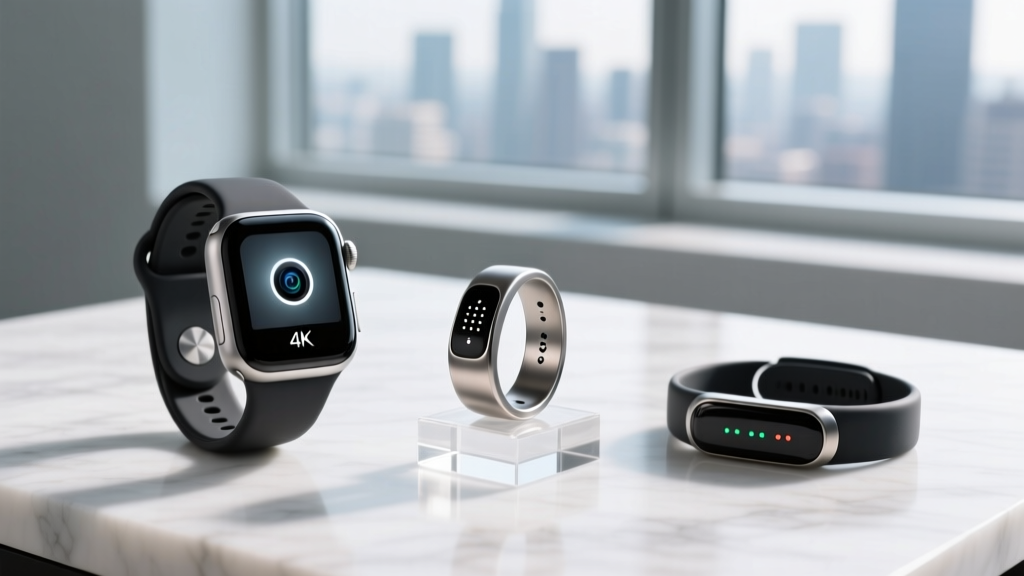
The market for wearable gadgets for spying has evolved past the era of pixelated, novelty-grade camera watches. Modern covert wearables leverage miniaturized System-on-Chip (SoC) architectures, high-density lithium-polymer (Li-Po) batteries, and advanced MEMS (Micro-Electro-Mechanical Systems) microphones. However, shrinking surveillance hardware into the form factor of a smartwatch, fitness band, or smart ring introduces severe physical constraints. Heat dissipation, battery chemistry limits, and Bluetooth Low Energy (BLE) beaconing create distinct failure modes that operators must understand before deploying these devices in the field.
4K Smartwatch DVRs: Optics vs. Thermals
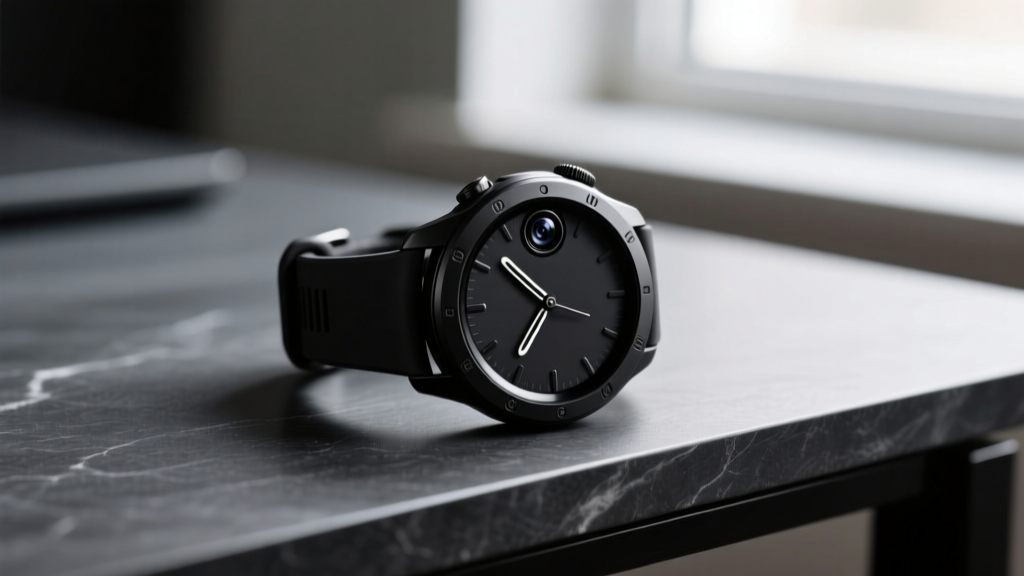
High-end covert smartwatches, such as the AlphaTech 4K Covert DVR series and custom builds from Spy Associates, utilize a pinhole lens (typically 1.2mm to 1.5mm in diameter) integrated directly into the bezel or the side-crown housing. These devices record in native 4K at 30fps using H.265 (HEVC) compression to maximize onboard 128GB or 256GB eMMC storage.
Thermal Throttling and Battery Density
The primary limitation of a 4K smartwatch DVR is thermal throttling. Encoding 4K video requires significant processing power. In a sealed, water-resistant chassis with no active cooling, the internal temperature of the Novatek or Ambarella SoC can exceed 65°C within 12 minutes of continuous recording. Because the watch sits flush against the skin, the device's firmware will deliberately throttle the frame rate to 15fps or shut down entirely once the chassis reaches 42°C to prevent epidermal burns.
Furthermore, a standard 450mAh Li-Po battery inside a 44mm watch case yields approximately 75 minutes of continuous 1080p recording, but only 35 to 40 minutes at 4K. Operators relying on these gadgets for spying must utilize Motion-Detection (PIR) or Voice-Activated Recording (VOR) modes to stretch battery life across a 6-hour deployment window.
Covert Audio Rings: MEMS Mics and Bone Conduction
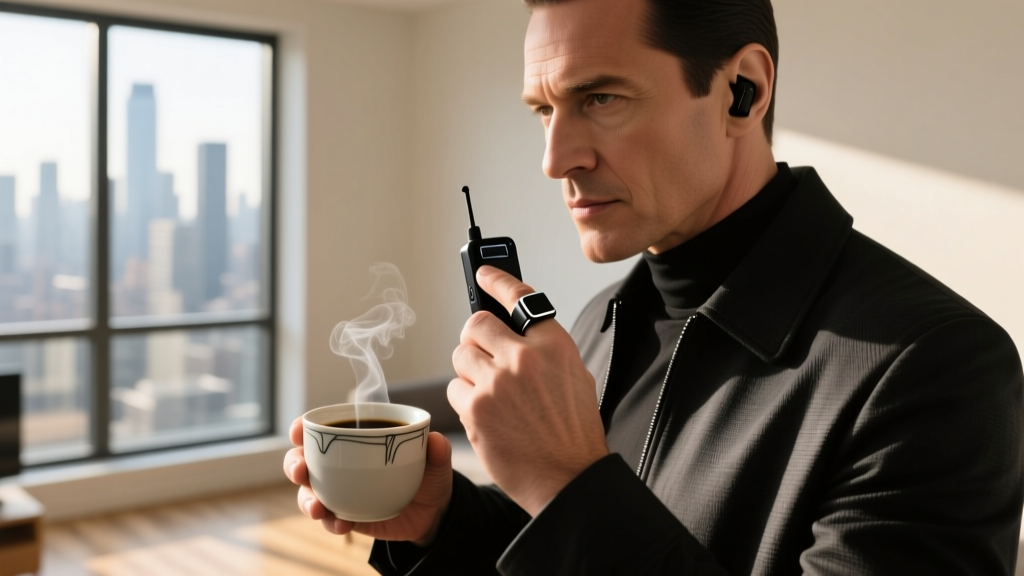
While smartwatches handle video, smart rings dominate covert audio capture. Devices like the CM-VR-Ring series or the LawMate wearable audio recorders disguise a high-sensitivity MEMS microphone and a micro-SD slot within a tungsten or ceramic ring body. Priced between $120 and $180, these rings offer unparalleled discretion but suffer from a unique acoustic vulnerability: bone conduction interference.
When the wearer's hand touches a table, keyboard, or steering wheel, kinetic vibrations travel through the skeletal structure directly into the ring's chassis, overwhelming the MEMS microphone with low-frequency rumble. To mitigate this, advanced audio rings employ dual-mic arrays with active noise cancellation (ANC) algorithms specifically tuned to filter out structural vibration frequencies (typically below 150Hz). For optimal capture, the subject must keep their hands elevated or utilize the ring's VOR mode, which only engages the recording circuit when ambient decibel levels cross a user-defined threshold (usually 45dB).
Passive Surveillance: Repurposing Fitness Bands
Not all wearable gadgets for spying contain cameras or microphones. Passive location and biometric tracking utilizing standard fitness bands is a highly effective, low-risk surveillance vector. By embedding a Tile Sticker (2026 model with 3-year CR2032 battery) or an Apple AirTag inside a custom-molded silicone sleeve for a Garmin vívofit or Xiaomi Mi Band, operators can track a subject's movements without the tell-tale Bluetooth handshake of a dedicated GPS logger.
Unlike dedicated spy trackers that emit continuous RF signals, these passive fitness band integrations rely on crowdsourced mesh networks (like Apple's Find My or Tile Network) to ping location updates. This makes them virtually undetectable to standard RF bug sweepers, which are typically calibrated to look for continuous GSM, LTE, or high-power BLE transmissions.
Hardware Comparison Matrix
| Device Category | Form Factor | Max Continuous Battery | Storage / Capacity | Primary Vulnerability | Avg. Price (2026) |
|---|---|---|---|---|---|
| 4K Smartwatch DVR | 44mm Watch Case | 40 mins (4K) / 85 mins (1080p) | 128GB eMMC (Non-removable) | Thermal throttling at 42°C | $220 - $290 |
| Covert Audio Ring | Tungsten Smart Ring | 14 hours (VOR Mode) | Micro-SD (Up to 64GB) | Bone conduction kinetic noise | $130 - $170 |
| Passive Mesh Tracker | Fitness Band Sleeve | 12 months (CR2032 Coin Cell) | N/A (Cloud-based logging) | BLE MAC address randomization | $45 - $80 |
Critical Failure Modes in the Field
Deploying wearable surveillance tech requires anticipating hardware and software edge cases that can compromise an operation.
- The IR Filter Click: Many smartwatch DVRs feature a mechanical Infrared (IR) cut filter that physically moves out of the lens path when the ambient light sensor detects low light. This mechanical movement produces a faint, distinct 'click' audible in quiet rooms, immediately compromising the device's covert nature.
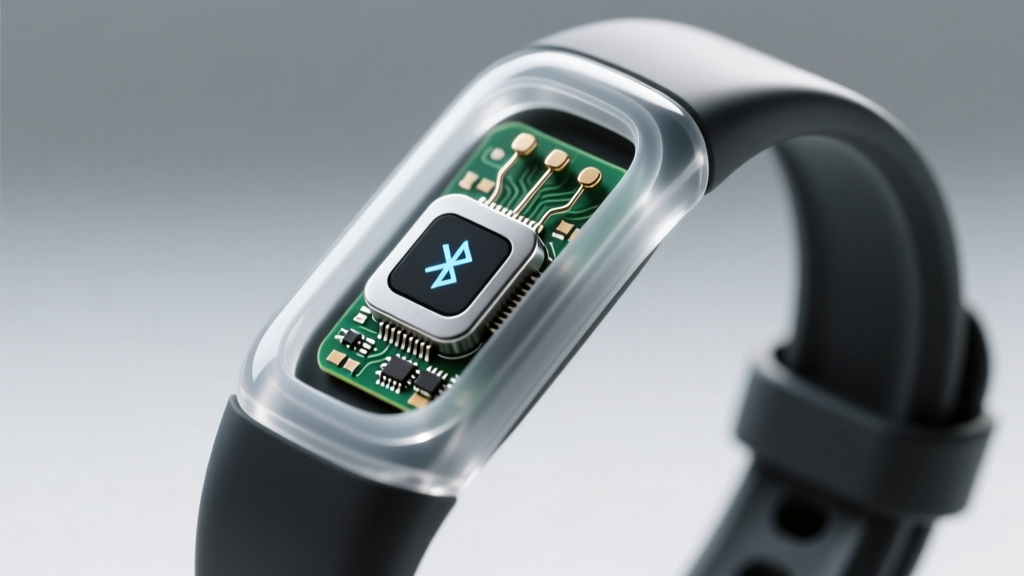
- BLE MAC Address Sniffing: Wearable audio rings that sync to smartphones via Bluetooth Low Energy often fail to implement proper MAC address randomization. A subject with a basic network analyzer app can detect the persistent BLE beacon emitted by the ring, identifying it as an unauthorized recording device.
- Capacitive Button False Positives: Smartwatches utilizing capacitive touch buttons for starting/stopping recordings are prone to false triggers from sweat or high humidity, resulting in fragmented, unusable video files.
Operational Security and Legal Constraints
The deployment of audio-recording wearables is strictly governed by state and federal wiretapping laws. According to the Reporters Committee for Freedom of the Press (RCFP), 11 U.S. states (including California, Florida, and Illinois) enforce 'two-party' or 'all-party' consent laws. Recording private conversations via a covert smart ring in these jurisdictions without explicit consent from all participants is a felony offense, regardless of the device's form factor.
From an Operational Security (OpSec) perspective, wearables must be treated as active RF emitters. When not actively recording, smartwatches and audio rings should be stored in a silver-lined Faraday sleeve to prevent remote telemetry extraction or Bluetooth polling. The Electronic Frontier Foundation (EFF) Surveillance Self-Defense guide highlights that metadata generated by wearable devices—such as step counts, heart rate spikes, and GPS sync logs—can be subpoenaed to place an individual at a specific location and time, effectively turning the spy gadget into evidence against the operator.
Success with wearable gadgets for spying relies less on the marketing claims of 4K resolution and more on a rigorous understanding of battery thermodynamics, acoustic interference, and strict adherence to RF hygiene. Choose the form factor that aligns with the specific environmental constraints of your deployment, and always prioritize VOR and motion-triggered recording to bypass the inherent physical limitations of miniaturized hardware.
Written by
Jake MorrisonJake Morrison holds a B.S. in Electrical Engineering from UC Berkeley and an MBA from Stanford Graduate School of Business. With over 12 years of hands-on experience in consumer electronics, he previously served as a senior product engineer at a Silicon Valley startup before transitioning to tech journalism. Jake has personally tested and benchmarked over 3,000 gadgets across categories including smartphones, wearables, smart home devices, and audio equipment. His durability testing methodology — involving controlled drop tests, thermal cycling, and water submersion — is widely cited by major tech publications. He is a certified CompTIA A+ technician and a contributing editor to the IEEE Consumer Electronics Magazine.