Eco Phone Gear vs Assembly VR Tech Trends and Cutting Edge Gadgets
Discover the best eco-friendly phone accessories for 2026. We compare sustainable wireless chargers, gimbals, and lens kits to reduce e-waste.

The Sustainability Gap: Accessories vs. Headline Tech
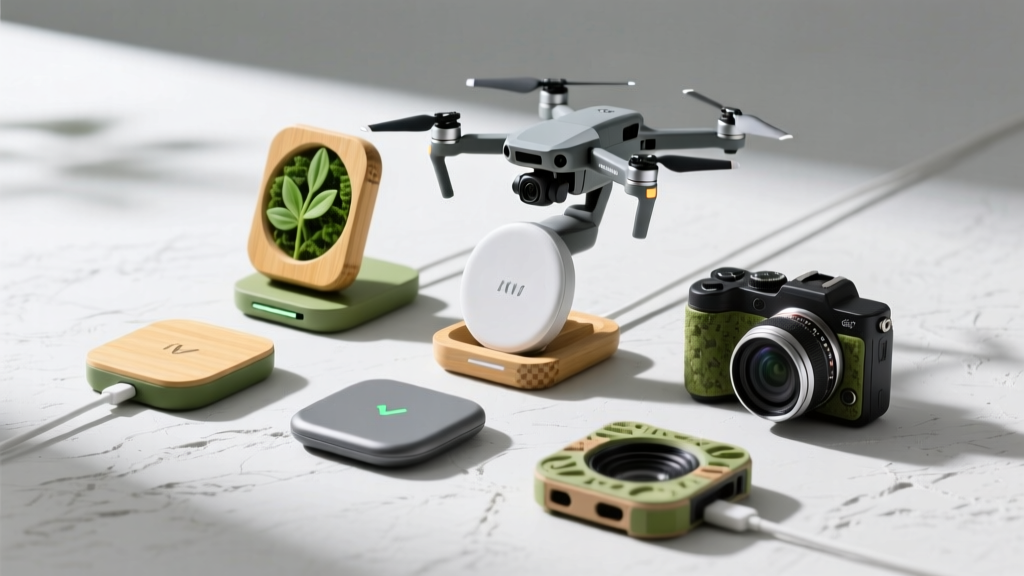
While mainstream tech media obsesses over assembly VR tech trends and cutting edge gadgets, the most immediate environmental impact of consumer electronics lies in the high-turnover world of smartphone accessories. According to the UN Global E-waste Monitor, small IT and telecommunication equipment account for millions of metric tons of annual e-waste, much of which stems from discarded chargers, broken stabilizers, and degraded lens attachments. The narrative is shifting in 2026. Manufacturers are finally applying circular economy principles to the peripherals we use daily, moving away from virgin ABS plastics and conflict minerals.
Sustainable Wireless Chargers: Ditching Virgin Plastics
Standard Qi wireless chargers are notorious for energy loss, often converting only 60% of drawn power into battery charge, with the rest lost as heat. The transition to the Wireless Power Consortium's Qi2 standard has improved this via magnetic alignment, but the physical materials of the chargers themselves are where true eco-innovation happens.
Nimble Eco-Friendly Wireless Charging Pad ($49.99)
Nimble remains the gold standard for sustainable charging. Their 15W Qi2 charging pad utilizes a base milled from 100% recycled aerospace-grade aluminum and a top surface crafted from woven hemp fabric rather than silicone or polyurethane. The internal PCB (Printed Circuit Board) is manufactured using lead-free solder and halogen-free laminates. At 4.2 ounces, it is exceptionally light, reducing shipping emissions. Furthermore, Nimble includes a prepaid e-waste return bag in every box, guaranteeing the internal copper coils are recovered at end-of-life.
Belkin BoostCharge Pro Eco ($79.99)
Belkin's 2026 Eco lineup utilizes 100% post-consumer recycled polycarbonate for the outer enclosure. The standout feature is its zero-waste packaging: the box is molded from compressed bamboo pulp, entirely eliminating the need for plastic blister packs or metallic foil stamping. It delivers a strict 15W output with an integrated thermal throttle that cuts power draw to 0.3W when a device reaches 100%, preventing phantom energy drain.

Eco-Conscious Gimbals and Stabilizers
Motorized gimbals are traditionally e-waste nightmares. They combine lithium-ion batteries, rare-earth neodymium magnets, and complex logic boards into sealed, unrepairable plastic housings. When a single brushless motor fails or the battery degrades after 500 charge cycles, the entire $150 unit is typically discarded. The 2026 market introduces two vital eco-solutions: built-in power sharing and modular battery replacement.
Insta360 Flow (Built-in Power Bank Integration)
Priced at $159, the Insta360 Flow approaches sustainability through hardware consolidation. By integrating a 2,900mAh power bank directly into the gimbal's handle, it eliminates the need for users to purchase, carry, and eventually discard separate portable chargers. The handle is constructed from a high-durability bio-composite resin (30% plant-based) that resists the micro-fractures common in standard ABS plastic drops. While the battery is not user-replaceable, Insta360's certified mail-in battery swap program ($25 flat fee) extends the device's operational lifespan by an estimated four years.
Zhiyun Smooth M2 Modular Edition ($139.00)
Zhiyun has pioneered a right-to-repair approach with the Smooth M2 Modular. The gimbal's primary axis arms are secured with standard T3 Torx screws rather than industrial adhesive. If a pan-axis motor burns out due to over-torquing, users can purchase a replacement motor module ($35) and swap it in 10 minutes using a standard screwdriver, rather than replacing the entire rig. The carrying case is manufactured from upcycled ocean-bound PET plastics.
Sustainable Lens Kits and Optical Accessories
Smartphone photography relies heavily on add-on lenses. Cheap acrylic lenses scratch easily, degrade under UV exposure, and end up in landfills within a year. Sustainable lens kits prioritize optical glass longevity and biodegradable or infinitely recyclable housing materials.
Moment T-Series Lenses ($119 - $149 per lens)
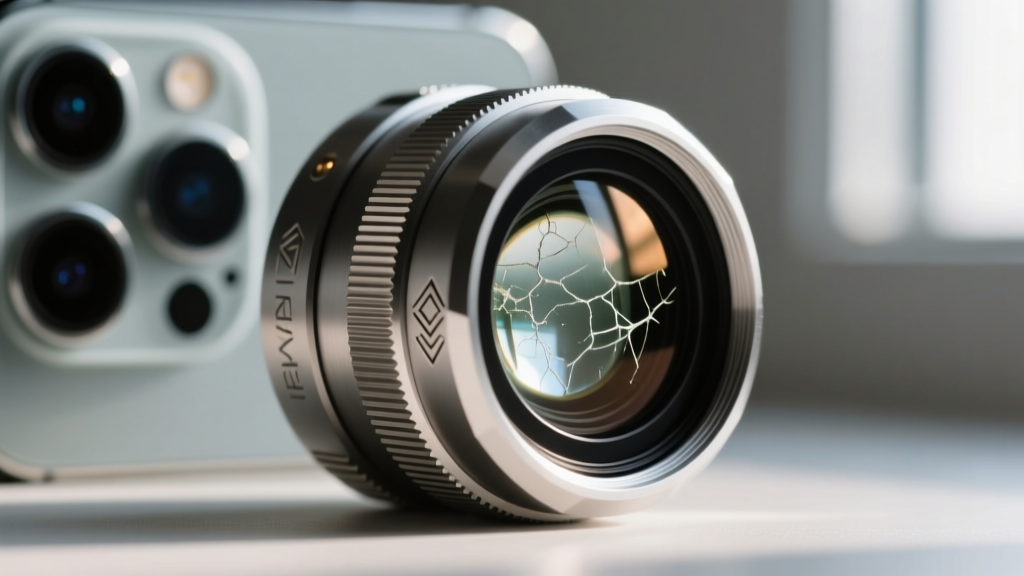
Moment constructs their T-Series (Telephoto, Wide, and Anamorphic) barrels from anodized aerospace-grade aluminum. Unlike plastic barrels that warp and lose thread alignment, aluminum ensures the lens remains optically centered for a decade or more. The optical elements are crafted from high-index, lead-free glass. Moment also transitioned to 100% FSC-certified paper packaging, utilizing soy-based inks and eliminating all single-use plastics from their supply chain.
Sandmarc Biodegradable Filter Threads ($89)
Sandmarc's latest polarizing and ND filter kits feature a unique innovation: the step-up ring threads are machined from a hardened, biodegradable bioplastic derived from corn starch. While maintaining the structural rigidity required for torque-tightening, the material is designed to safely decompose in industrial composting environments if the filter is shattered and discarded, preventing microplastic pollution.
2026 Eco-Accessory Comparison Matrix
| Product Category | Top Eco-Pick | Primary Sustainable Material | End-of-Life Program | Price Range |
|---|---|---|---|---|
| Wireless Charger | Nimble 15W Qi2 Pad | Recycled Aluminum & Hemp | Prepaid E-Waste Return Bag | $49.99 |
| Stabilizer/Gimbal | Zhiyun Smooth M2 Modular | Ocean-bound PET Case | Modular Motor Swaps | $139.00 |
| Camera Lens Kit | Moment T-Series 58mm | Lead-Free Glass & Aluminum | Lifetime Trade-In Credit | $119.99 |
| Power Integration | Insta360 Flow | Bio-Composite Resin Handle | Mail-in Battery Swap | $159.00 |
Actionable End-of-Life Protocols for Tech Enthusiasts
Purchasing sustainable gear is only half the equation. Proper disposal ensures the materials actually re-enter the supply chain. Follow these specific protocols when your accessories fail:
- Lithium-Ion Containment: Never throw a gimbal or power-bank-equipped accessory in municipal recycling. The 3.7V Li-ion cells can cause catastrophic fires in sorting facilities. Use Call2Recycle drop-off kiosks typically located in hardware stores.
- Optical Glass Separation: If a lens shatters, do not mix the glass with standard curbside recycling. Wrap the shards in heavy paper, tape it securely, and label it "broken glass" to protect sanitation workers, then route it to specialized e-waste glass processors.
- Neodymium Magnet Recovery: Broken gimbal motors contain rare-earth magnets. Disassemble the housing (if modular) and send the motor assembly to specialized rare-earth recyclers like Global Tungsten & Powders or utilize manufacturer mail-back programs.
"The true measure of a gadget's sustainability isn't just the recycled content in its box; it's the modularity that prevents it from entering a landfill when a single $5 component fails." — Dr. Elena Rostova, Director of Circular Electronics at the Sustainable Tech Institute.
By prioritizing modularity, bio-resins, and verified take-back programs, tech enthusiasts can build a mobile videography and charging ecosystem that respects ecological boundaries without sacrificing the performance required for modern content creation.
Written by
Lena ChenLena Chen earned her M.S. in Human-Computer Interaction from Carnegie Mellon University and a B.S. in Electrical Engineering from the University of Washington. She has spent the past decade specializing in smart home architecture and IoT ecosystems, helping over 200 homeowners design fully connected living spaces. Lena is a certified Matter protocol consultant and has published peer-reviewed research on voice-first interface design in the ACM Digital Library. Her reviews of smart home products combine deep technical analysis with real-world usability testing, evaluating everything from Zigbee mesh stability to Alexa skill responsiveness. She regularly speaks at CEDIA Expo and CES smart home panels.