Top Kitchen Gadget Brand Innovations in Silicone for 2026
Discover which kitchen gadget brand leads the 2026 silicone bakeware and non-stick trends. We analyze platinum-curing, ceramic coatings, and PFAS phase-outs.
The 2026 Material Revolution in Cookware and Bakeware
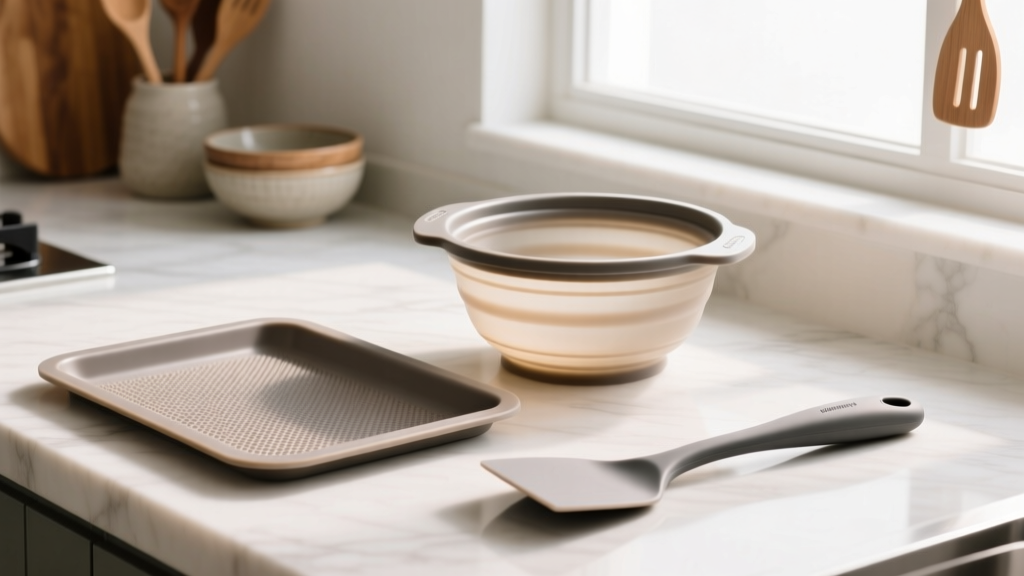
The landscape of culinary tools has fundamentally shifted. As global regulatory bodies accelerate the phase-out of per- and polyfluoroalkyl substances (PFAS), the modern home cook is forced to reevaluate their equipment. According to the U.S. Environmental Protection Agency, the persistent nature of these 'forever chemicals' has triggered strict manufacturing mandates, effectively ending the era of cheap, traditional PTFE (Teflon) non-stick coatings. Simultaneously, the silicone bakeware market has matured from a novelty category into a highly engineered sector. Choosing the right kitchen gadget brand in 2026 is no longer just about aesthetics or price; it is a matter of material science, thermal stability, and long-term health safety.
Warning: The Hidden Danger of Peroxide-Cured Silicone
If your silicone baking mat or spatula leaves a white, chalky residue when stretched, or emits a chemical odor when heated above 350°F (176°C), it is likely peroxide-cured. This older, cheaper manufacturing process leaves behind unreacted siloxane oligomers and dichlorobenzene byproducts. Always verify that a kitchen gadget brand explicitly states 'platinum-cured' or 'addition-cured' silicone on the packaging.
Decoding Silicone: Platinum vs. Peroxide Curing
Not all silicone is created equal. The U.S. Food and Drug Administration regulates silicone as a food contact substance, but the FDA does not mandate the specific catalytic curing process. This regulatory gap allows low-grade silicone to flood the market. High-end manufacturers use a platinum catalyst for addition curing, which yields a completely inert, byproduct-free polymer network capable of withstanding continuous temperatures up to 480°F (249°C).
| Material Grade | Curing Agent | Max Temp Limit | Leaching Risk | Typical Price Range (Mat) |
|---|---|---|---|---|
| Standard Industrial | Peroxide | 392°F (200°C) | High (Oligomers) | $8 - $12 |
| Food-Grade Premium | Platinum | 480°F (249°C) | None (Inert) | $22 - $35 |
| Reinforced Pro | Platinum + Fiberglass | 500°F (260°C) | None (Inert) | $25 - $45 |
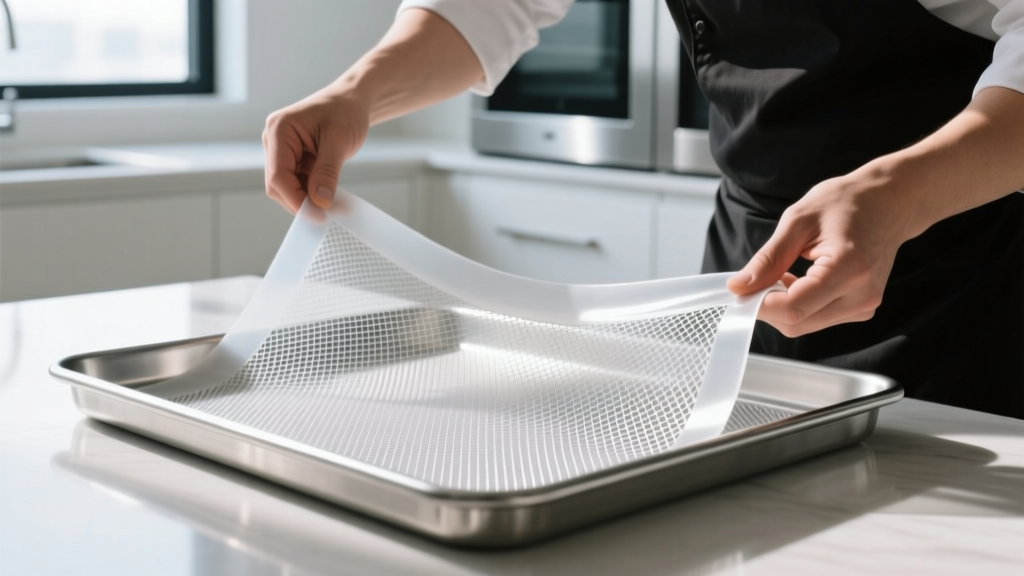
Top-tier brands like Demarle (the maker of Silpat) engineer their premium mats with a proprietary fiberglass mesh core encased in platinum-cured silicone. This specific kitchen gadget brand innovation solves the 'floppy silicone' problem, providing structural rigidity that prevents the mat from buckling when transferred from a countertop to a hot oven rack. The minimum thickness for professional-grade reinforcement is 0.75mm; anything thinner will warp under the weight of heavy batters or roasting meats.
Non-Stick Evolution: Ceramic-Titanium and Sol-Gel Coatings
The non-stick sector has undergone a complete paradigm shift. With traditional PTFE facing legislative bans in multiple states and European markets, the industry has pivoted to Sol-Gel ceramic coatings and diamond-infused matrices. Sol-Gel (solution-gelation) technology creates an inorganic, silica-based network that is naturally free of PFOA and PFAS.
Failure Modes in Modern Ceramic Non-Stick
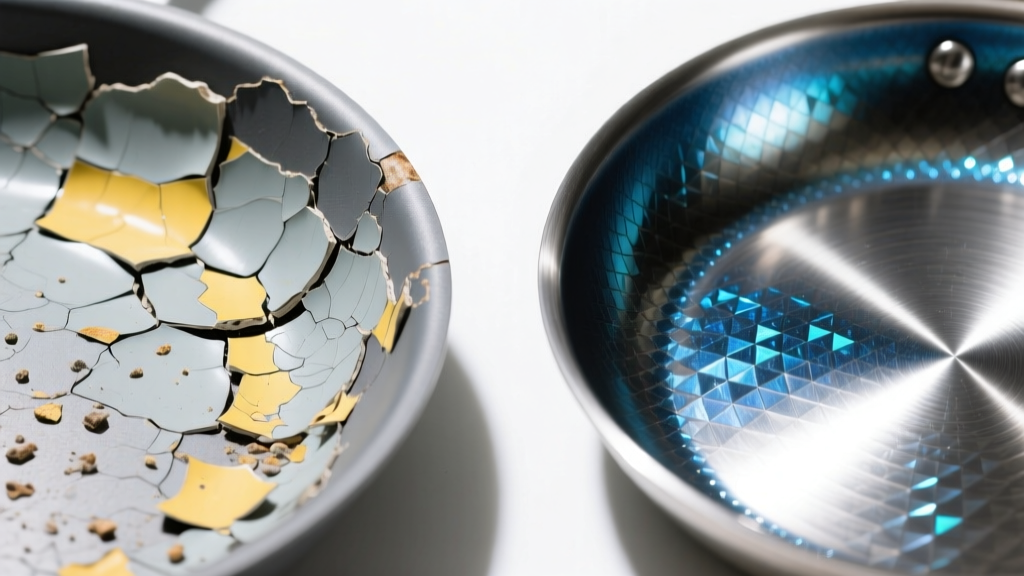
While ceramic coatings are chemically safer, early generations suffered from rapid degradation. The primary failure mode in 2026 is thermal shock and micro-fracturing. When a ceramic-coated pan is heated empty on a high-BTU gas burner or rapidly plunged into cold water, the silica matrix contracts and expands at a different rate than the underlying aluminum or stainless steel substrate. This causes microscopic cracking, which allows cooking oils to polymerize inside the fissures, destroying the non-stick properties.
'The longevity of a ceramic non-stick pan is dictated not by the coating itself, but by the thermal spray application process and the substrate bonding layer. Brands that utilize a titanium-reinforced primer layer see a 400% increase in Taber abrasion cycle ratings compared to direct-to-metal applications.'
— Materials Science Report on Culinary Coatings, 2025
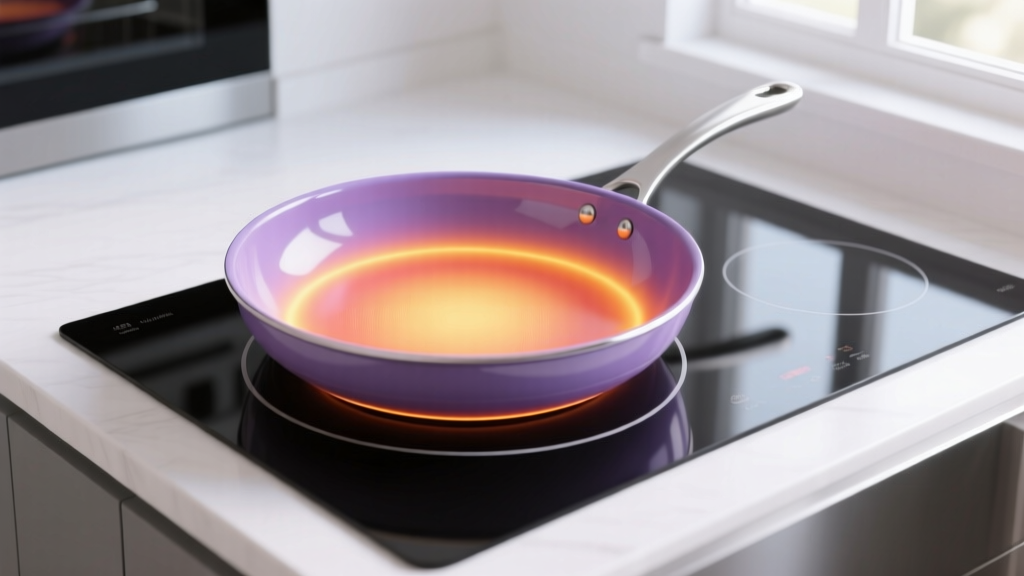
To combat this, leading manufacturers have introduced diamond-dust or titanium-particle suspensions into the ceramic matrix. GreenPan, a pioneering kitchen gadget brand in this space, utilizes their Thermolon Infinity Pro coating, which integrates diamond particles to increase thermal conductivity and scratch resistance. Their Valencia Pro 11-inch skillet (retailing around $130-$150) features a hard-anodized aluminum body that resists warping up to 600°F (315°C), significantly outperforming stamped aluminum alternatives.
2026 Buyer’s Matrix: Matching Tools to Techniques
Selecting the correct equipment requires matching the material properties to your specific cooking techniques. Use this decision framework to optimize your kitchen arsenal.
- High-Heat Searing (450°F+): Avoid all silicone and ceramic non-stick. Opt for carbon steel or tri-ply clad stainless steel. If you must use non-stick, ensure the kitchen gadget brand specifies a titanium-reinforced ceramic coating rated for 600°F, but limit searing times to under 3 minutes.
- Delicate Baking and Confectionery: Use platinum-cured, fiberglass-reinforced silicone mats. The embedded mesh ensures even heat distribution, preventing the localized hot spots that cause macarons to crack or cookies to burn on the bottom. Avoid thin, unreinforced silicone sheets.
- Everyday Egg and Fish Cooking (Low to Medium Heat): Ceramic non-stick excels here. Look for pans with a minimum 3.5mm base thickness to ensure the aluminum core retains heat evenly, preventing the thermal shock that degrades the Sol-Gel coating.
- Freezing and Candy Making: Silicone is unparalleled for sub-zero applications. Platinum-cured silicone remains flexible down to -40°F (-40°C), making it the only viable material for releasing frozen mousses or pulling hardened sugar work without shattering the mold.
Pro-Tip: The Boiling Water Test
To test the quality of an existing silicone tool, boil it in a pot of water for 10 minutes. If the water develops a chemical film, or the tool emits an odor, it is peroxide-cured and should be discarded. High-grade platinum silicone will remain completely odorless and will not alter the water's surface tension.
The Verdict on Brand Engineering
The market has clearly bifurcated. Budget brands continue to rely on peroxide-cured silicone and single-layer ceramic sprays that degrade within six months of daily use. Conversely, premium engineering from established names like Demarle, OXO, and GreenPan demonstrates that when a kitchen gadget brand invests in platinum catalysis, fiberglass reinforcement, and titanium-primed ceramic matrices, the resulting tools offer professional-grade longevity. In 2026, the true cost of cookware is not the initial purchase price, but the replacement frequency and the chemical safety of the materials interacting with your food at high temperatures. Invest in verified material specifications, not just marketing claims.
Written by
David OkaforDavid Okafor is an ASE (Automotive Service Excellence) Master Certified Technician with 15 years of professional experience in vehicle diagnostics, aftermarket electronics installation, and fleet management. He holds an Associate Degree in Automotive Technology from Universal Technical Institute and certifications in mobile electronics (MECP Certified Installer). David has installed and reviewed over 800 car tech products — from OBD2 scanners and dash cams to full infotainment system retrofits — in vehicles ranging from economy compacts to luxury SUVs. His popular YouTube channel "AutoTech David" has over 150,000 subscribers and features detailed installation tutorials and product teardowns. He is a regular contributor to the SEMA Show's aftermarket technology showcase and advises two automotive tech startups on product development.