Best Left Handed Kitchen Gadgets: Eco Spice Grinders & Racks
Discover the best eco-friendly left handed kitchen gadgets for spice prep. We review sustainable bamboo racks and ambidextrous manual grinders.
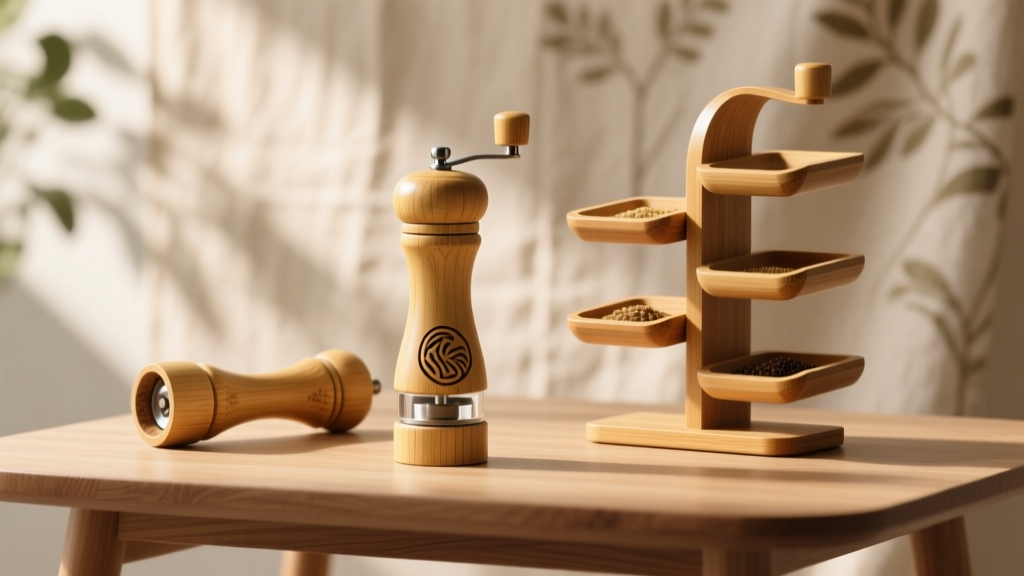
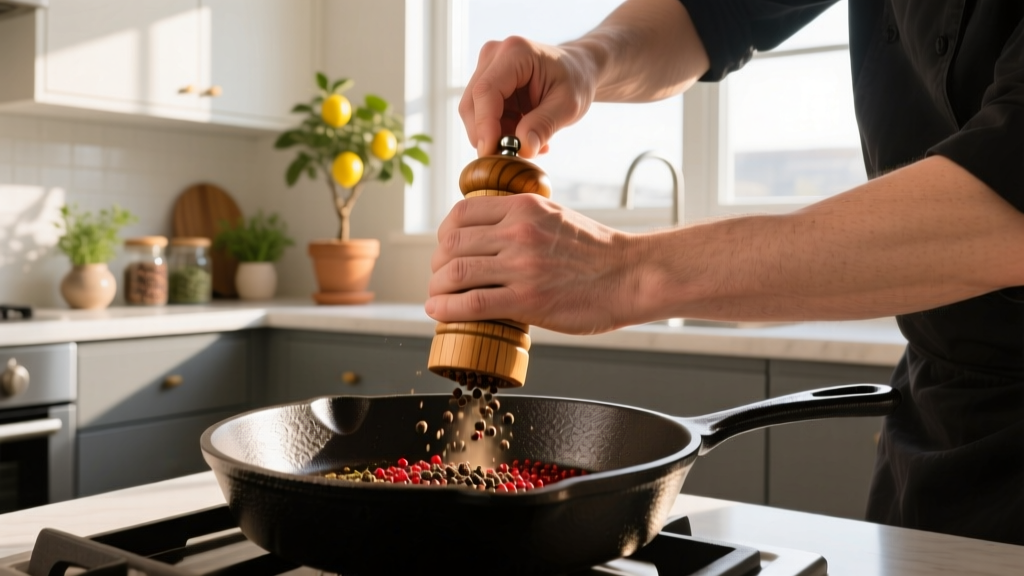
The Ergonomic Gap in Sustainable Spice Prep
The intersection of left-handed ergonomics and eco-friendly kitchenware is a notoriously neglected niche. While the market for sustainable kitchen tools has expanded rapidly, the vast majority of manual spice grinders and seasoning gadgets are engineered with right-handed biomechanics in mind. For the roughly 10% of the population that is left-handed, this design oversight transforms a simple culinary task into a frustrating exercise in wrist strain and stripped threads. When you combine the need for ergonomic viability with strict environmental standards—such as FSC-certified woods, recycled ocean plastics, and zero-waste manufacturing—the pool of viable left handed kitchen gadgets shrinks considerably.
This guide cuts through the generic product roundups to examine the mechanical realities of spice grinding for left-handed cooks. We evaluate specific ambidextrous and left-optimized models that utilize sustainable materials, providing exact pricing, material specifications, and maintenance protocols to ensure your investment lasts decades rather than months.
The Clockwise Conundrum: Why Standard Grinders Fail Lefties
To understand why finding functional left handed kitchen gadgets for seasoning is difficult, you must look at the threading on manual burr grinders. In a standard right-handed pepper or spice mill, the top cap or crank nut is threaded clockwise. When a right-handed user holds the base with their left hand and twists the top counter-clockwise to grind, the friction tightens the top nut.
When a left-handed user holds the base with their right hand and twists the top clockwise with their dominant left hand, two things happen: the grinding mechanism engages, but the top nut simultaneously unscrews. Over time, this causes the cap to loosen, the internal tension spring to fail, and the burr alignment to shift, resulting in unevenly crushed spices rather than a consistent grind. True left-handed or ambidextrous grinders solve this by utilizing reverse-threaded caps, bi-directional locking mechanisms, or base-adjustment dials that remove torque from the top cap entirely.
2026 Comparison Matrix: Sustainable & Left-Friendly Grinders
| Model | Primary Eco-Material | Left-Hand Torque Solution | Burr Type | Est. Price |
|---|---|---|---|---|
| Fletch & Mill Amazonian | Reclaimed Walnut | Bi-directional ceramic burr | Ceramic | $48 |
| William Bounds Eco-Grind | Recycled Ocean Plastic | Base-adjustment dial (no top torque) | Ceramic | $28 |
| Peugeot Paris Nature | PEFC French Beechwood | Requires clockwise grinding (awkward for lefties) | Case-Hardened Steel | $55 |
Note: While the Peugeot Paris Nature is a masterpiece of sustainable forestry and grinding engineering, its strict directional mechanism makes it a poor choice for left-handed users. We recommend the Fletch & Mill or William Bounds models for true ambidextrous functionality.
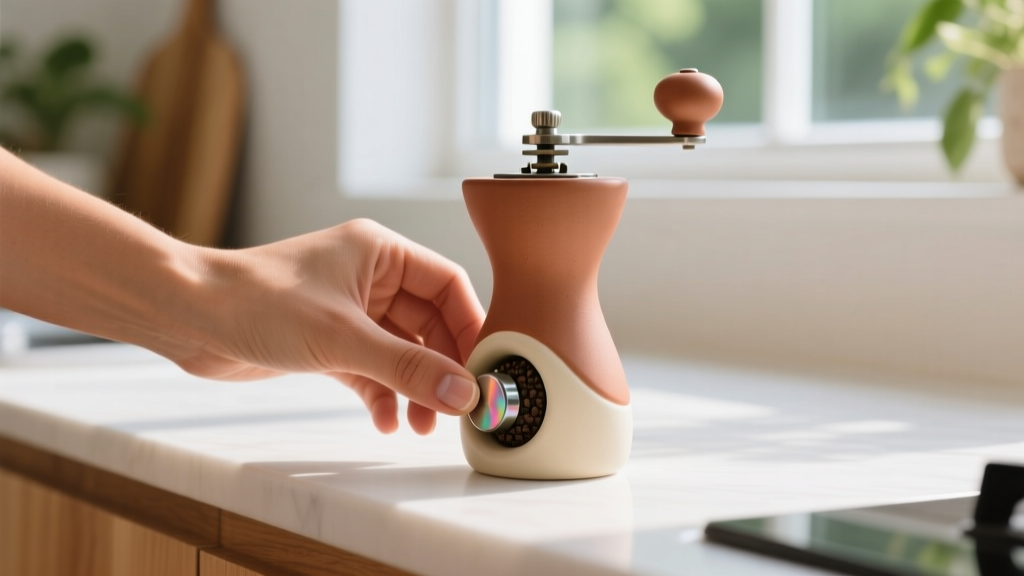
Top Eco-Friendly Left Handed Kitchen Gadgets for Seasoning
1. Fletch & Mill Amazonian Walnut Spice Mill
The Material: Crafted from reclaimed Amazonian walnut wood, this mill bypasses the need for newly harvested timber. The wood is finished with food-safe, plant-based carnauba wax rather than synthetic polyurethanes, ensuring zero microplastic shedding into your food.
The Ergonomics: Fletch & Mill utilizes a proprietary bi-directional ceramic burr system. Because the grind size is adjusted via a threaded rod at the very bottom of the unit rather than the top cap, the left-handed user can twist the top in whichever direction feels most natural without compromising the structural integrity of the mill.
The Verdict: At $48, it is an investment piece. The ceramic burr is impervious to the corrosive oils in cloves and star anise, making it a versatile tool for both hard spices and soft herbs.
2. William Bounds Eco-Grind Series
The Material: The body of this grinder is injection-molded from certified recycled ocean-bound plastics. While plastic is generally frowned upon in eco-circles, utilizing high-density, post-consumer recycled PET for a durable, shatterproof kitchen tool diverts waste from marine ecosystems and creates a product that will not degrade or splinter like cheap bamboo.
The Ergonomics: This model completely eliminates top-cap torque. The grinding mechanism is engaged by twisting the base, while the top cap remains stationary. This makes it 100% ambidextrous and entirely immune to the clockwise unscrewing problem.
The Verdict: Priced at an accessible $28, this is the best entry-level sustainable option for lefties. The acrylic viewing window allows you to monitor spice levels without opening the unit, preserving the volatile oils of your spices.
3. Bambu Home 3-Tier Organic Bamboo Spice Rack
The Material: Bambu Home sources exclusively from Forest Stewardship Council (FSC) certified organic bamboo forests. Unlike MDF (medium-density fiberboard) alternatives that off-gas formaldehyde-based glues, Bambu Home uses water-based, non-toxic adhesives.
The Ergonomics: While a rack does not require torque, left-handed cooks often organize their mise en place differently. This tiered rack features removable, modular dividers that can be reconfigured to suit a left-to-right workflow, ensuring your most-used spices are positioned for a left-handed cross-body reach.
The Verdict: At $42, it provides a stable, moisture-resistant home for your spices. Bamboo is naturally antimicrobial, making it ideal for humid kitchen environments near the stove.
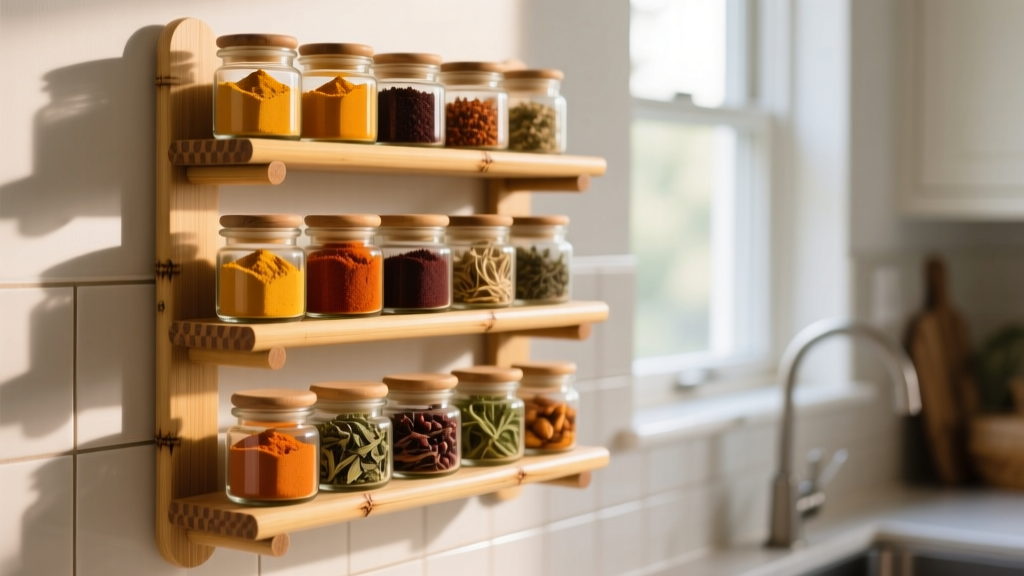
Sustainable Spice Storage: Glass vs. Recycled Steel
A grinder is only as good as the spices it holds. When building an eco-friendly seasoning station, the storage vessels matter. Avoid plastic shakers entirely; they absorb lipophilic (fat-soluble) spice oils, leading to cross-contamination and eventual plastic degradation.
- Borosilicate Glass: The gold standard. It is infinitely recyclable, non-porous, and highly resistant to thermal shock. Look for brands like Norpro that utilize recycled glass cullet in their manufacturing process.
- Recycled Stainless Steel: Excellent for light-blocking (which preserves spice potency), but ensure the shaker tops use silicone gaskets rather than PVC. Stainless steel production is energy-intensive, so only purchase if the product is certified to contain at least 60% post-consumer recycled content.
Maintenance Protocols for Longevity
The most sustainable gadget is the one you never have to replace. Ceramic burrs, while eco-friendly and rust-proof, are brittle and can become clogged with the high oil content found in spices like nutmeg, coriander, and mustard seed. Follow this exact maintenance framework to extend the life of your left handed kitchen gadgets:
- The Salt Purge (Monthly): Fill the grinder halfway with coarse, dry sea salt (do not use fine table salt, which contains anti-caking agents that gum up the burrs). Grind the salt through the mechanism on the coarsest setting. The salt acts as a mild abrasive, scraping away accumulated spice oils.
- The Brush Out: Use a dry, stiff-bristled brush (like a clean toothbrush or a dedicated culinary brush) to sweep the burr teeth. Never use water.
- Lubrication (Annually): If the wooden body of your Fletch & Mill or similar reclaimed wood grinder begins to look ashy or dry, apply a single drop of food-grade mineral oil or walnut oil to a microfiber cloth and buff the exterior. Do not let oil touch the internal grinding mechanism.
"True sustainability in the kitchen is not just about the materials sourced; it is about the lifespan of the tool. A bi-directional grinder that respects the user's biomechanics will be kept on the counter and used daily, whereas a poorly designed, right-hand-biased tool will end up in a landfill within a year due to user frustration and mechanical stripping."
Final Thoughts on Eco-Ergonomics
Navigating the market for left handed kitchen gadgets requires a critical eye toward mechanical design. By prioritizing ambidextrous torque solutions and demanding verifiable sustainability certifications like FSC or ocean-bound plastic diversion, you can build a spice prep station that respects both your joints and the environment. The EPA's guidelines on sustainable materials management emphasize that extending product life through durable, ergonomic design is the highest tier of waste reduction. Invest in tools that fit your hands, and they will serve your kitchen for a lifetime.
Written by
Lena ChenLena Chen earned her M.S. in Human-Computer Interaction from Carnegie Mellon University and a B.S. in Electrical Engineering from the University of Washington. She has spent the past decade specializing in smart home architecture and IoT ecosystems, helping over 200 homeowners design fully connected living spaces. Lena is a certified Matter protocol consultant and has published peer-reviewed research on voice-first interface design in the ACM Digital Library. Her reviews of smart home products combine deep technical analysis with real-world usability testing, evaluating everything from Zigbee mesh stability to Alexa skill responsiveness. She regularly speaks at CEDIA Expo and CES smart home panels.