Winning the Gizmos and Gadgets Game: Pet Tech Buyer's Guide 2026
Master the gizmos and gadgets game with our 2026 pet tech buyer's guide. Compare smart feeders, GPS trackers, and cameras for your furry friends.
Why Pet Tech is the Ultimate Gizmos and Gadgets Game
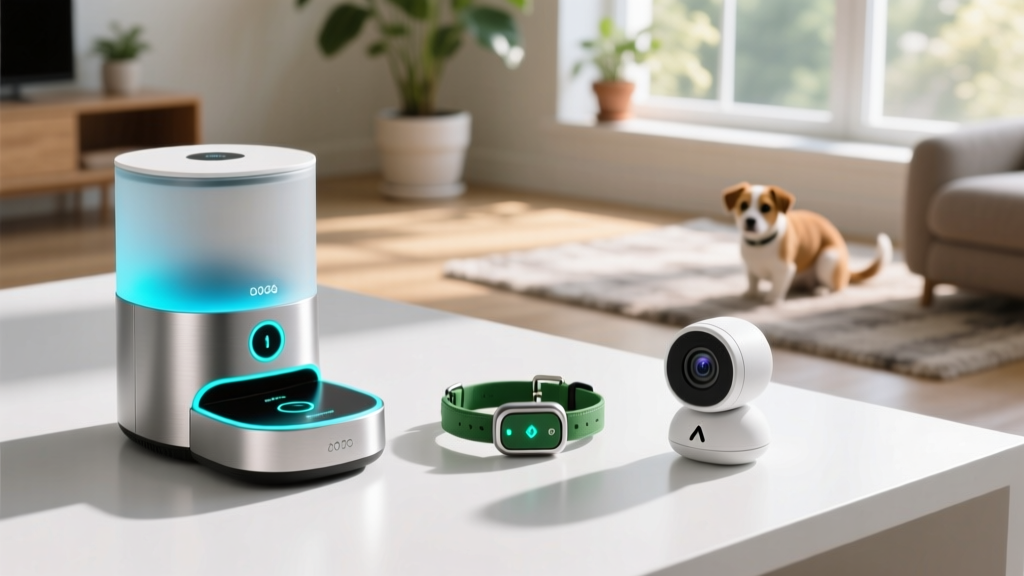
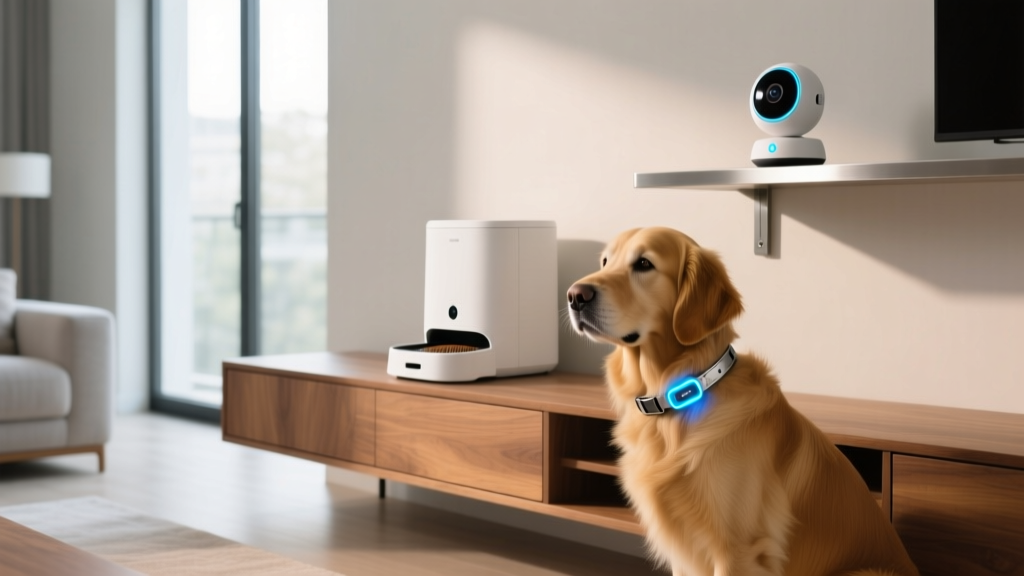
For tech enthusiasts, optimizing the home environment is a lifelong pursuit. But in 2026, the smart home ecosystem extends far beyond automated lighting and robotic vacuums. If you want to truly master the gizmos and gadgets game, you must integrate your pets into your connected infrastructure. Pet technology has evolved from novelty treat-tossers into sophisticated, data-driven health and safety networks.
Whether you are managing a cat's strict caloric intake, monitoring a senior dog's mobility metrics, or keeping an eye on your pets while working remotely, the right hardware makes all the difference. This comprehensive buyer's guide cuts through the marketing fluff, providing exact model numbers, real-world pricing, and integration frameworks to help you build the ultimate pet tech stack.
Smart Feeders: Precision Nutrition on Autopilot
Pet obesity is a critical issue, with the ASPCA noting that over 50% of companion animals are overweight. Smart feeders solve this by removing human error and emotional feeding from the equation. In 2026, the best models feature dual-band Wi-Fi (crucial for crowded 2.4GHz networks), anti-jamming rotors, and Matter protocol support for seamless smart home routines.
Top Pick: Petlibro Granary Smart Feeder (2026 Edition)
The Petlibro Granary remains the gold standard for multi-pet households and precision feeding. Priced at $169, it offers a 5-liter capacity (roughly 20 cups of dry kibble) and a desiccant bag system that keeps food fresh for up to 45 days. The 2026 edition introduces a localized offline mode; if your Wi-Fi drops, the internal RTC (Real-Time Clock) chip ensures scheduled meals still dispense accurately.
- Portion Accuracy: Dispenses in 1/10th cup increments (approx. 5g per portion).
- Power Redundancy: Runs on AC power with a D-cell battery backup that lasts up to 72 hours during outages.
- Smart Home: Native IFTTT and Home Assistant integration via local API.
Budget Pick: Wopet SmartFeeder (Model F01)
At $89, the Wopet F01 is an entry-level workhorse. It lacks the premium stainless steel basin of the Petlibro and relies on a basic 2.4GHz-only radio, but its 6-liter hopper and reliable gravity-assist auger make it a steal for single-pet homes on a budget.

GPS Trackers: Real-Time Location and Health Metrics
When playing the gizmos and gadgets game, data is king. Modern GPS collars do more than just track location; they monitor resting heart rate, sleep quality, and daily active minutes. According to the American Kennel Club, GPS trackers are invaluable for escape-prone breeds, but buyers must understand the underlying network technology.
In 2026, Bluetooth-only trackers (like basic AirTags) are insufficient for true pet safety due to their reliance on nearby peer networks. You need LTE-M or NB-IoT cellular connectivity for rural and suburban reliability.
Hardware Comparison Matrix
| Device Model | Hardware Cost | Network Tech | Battery Life | Subscription Cost | Best For |
|---|---|---|---|---|---|
| Fi Series 4 Collar | $149 | LTE-M / Wi-Fi | Up to 3 Months | $99 / year | Off-leash hikers & battery life |
| Whistle GO Explore | $129 | 4G LTE / Wi-Fi | Up to 20 Days | $119 / year | Health & fitness metric nerds |
| Tractive LTE (Gen 6) | $59 | 4G LTE | 5 to 7 Days | $60 / year | Budget-conscious global travelers |
Expert Insight: The Fi Series 4 collar utilizes a proprietary low-power LTE-M chipset that pings cell towers only when the dog leaves a designated 'Safe Zone' (geofence). While inside the geofence, it relies on your home Wi-Fi, which is why the battery can stretch to 90 days. If your dog is an escape artist, Fi's 'Lost Dog Mode' updates location every 10 seconds, draining the battery in about 48 hours—plenty of time to coordinate a search.

Pet Cameras: Two-Way Audio and AI Enrichment
Pet cameras have transitioned from passive observation tools to active enrichment devices. The integration of Edge AI allows these cameras to differentiate between a dog barking, a cat jumping, and a human walking by, drastically reducing false push notifications.
Premium Enrichment: Furbo Dog Camera 360
Retailing at $199 (plus an optional $6.99/mo Furbo Dog Nanny cloud subscription), the Furbo 360 features a motorized base that pans 340 degrees, following your pet around the room. Its treat-tossing mechanism uses a variable-speed motor, allowing you to launch treats short or long distances to encourage physical activity while you are at the office. The onboard AI specifically detects 'dog vomiting' and 'crying' sounds, sending critical alerts to your phone.
The Versatile Alternative: Wyze Cam Pan v3
Not strictly a 'pet' camera, but a favorite among tech enthusiasts for its $39 price point and IP65 weather resistance. The Pan v3 offers 360-degree panning, color night vision, and local microSD storage, completely bypassing the subscription fatigue associated with dedicated pet brands. You can pair it with a standalone automatic treat dispenser triggered via Wyze's IFTTT webhooks.
The Tech Enthusiast's Integration Matrix
Winning the gizmos and gadgets game means making your devices talk to each other. Here is a practical decision framework for building a cohesive 2026 pet automation stack:
Pro-Tip: The 'Departure Routine'
Using Home Assistant or Apple HomeKit, create a 'Leaving Home' geofence trigger. When your phone leaves the property: 1. The smart feeder locks its manual dispense button to prevent smart-pets from pawing at it. 2. The Furbo camera powers on and arms its bark-detection AI. 3. The GPS collar switches from 'Home Wi-Fi' mode to 'Active LTE Tracking' mode.
FAQ: Navigating the Pet Tech Ecosystem
Do I really need a subscription for a GPS tracker?
Yes, if you want true cellular tracking. Hardware manufacturers subsidize the cost of the LTE-M modems and SIM cards through recurring subscriptions. Without a subscription, devices like the Fi or Whistle revert to basic Bluetooth proximity tracking, which is useless if your pet is stolen or chased miles away. For context, the Humane Society emphasizes that immediate action and wide-area tracking are the most critical factors in recovering lost pets.
Will my cat figure out how to break the smart feeder?
Cats are notorious hackers. If you have a determined feline, avoid feeders with exposed auger wheels. Look for models with 'anti-paw' infrared sensors and recessed food bowls (like the Petlibro Granary) that physically block a cat from reaching the dispensing mechanism. Additionally, secure the power brick with a Velcro strap; cats love to unplug devices that deny them food.
How do I handle Wi-Fi dropouts in large homes?
Smart feeders and cameras require stable upstream bandwidth. Do not rely on standard mesh extenders in garages or basements where pets might be kept. Instead, invest in a dedicated 2.4GHz IoT VLAN on your router (supported by brands like Ubiquiti or Asus) to isolate pet traffic from your high-bandwidth streaming devices, ensuring your pet camera never drops its connection.
Written by
Nina PetrovaNina Petrova holds a Master's degree in Child Development from the Erikson Institute and a B.S. in Nursing from the University of Illinois at Chicago. She worked as a pediatric nurse for 6 years before transitioning to family technology consulting, bringing clinical rigor to her evaluations of kid-friendly gadgets, educational toys, and parental control software. Nina has reviewed over 400 children's tech products, testing each for safety compliance (CPSC and ASTM standards), developmental appropriateness across age groups, screen-time impact, and data privacy practices. She serves on the Children's Technology Review advisory board and has testified before the FTC on children's data protection in connected toys. Her reviews are trusted by parents and educators alike for their evidence-based approach to balancing technology benefits with child safety.