5 Unique Cooling Gadgets and Smartwatch Bands for Extreme Heat
Discover unique cooling gadgets and thermoelectric smartwatch bands that regulate wrist temperature and sync with wearable health trackers.
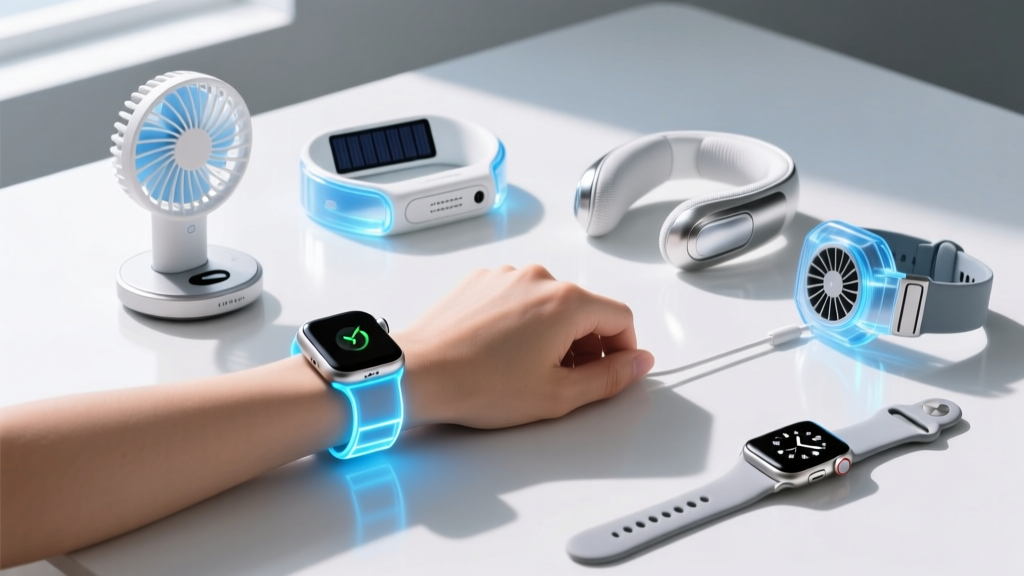
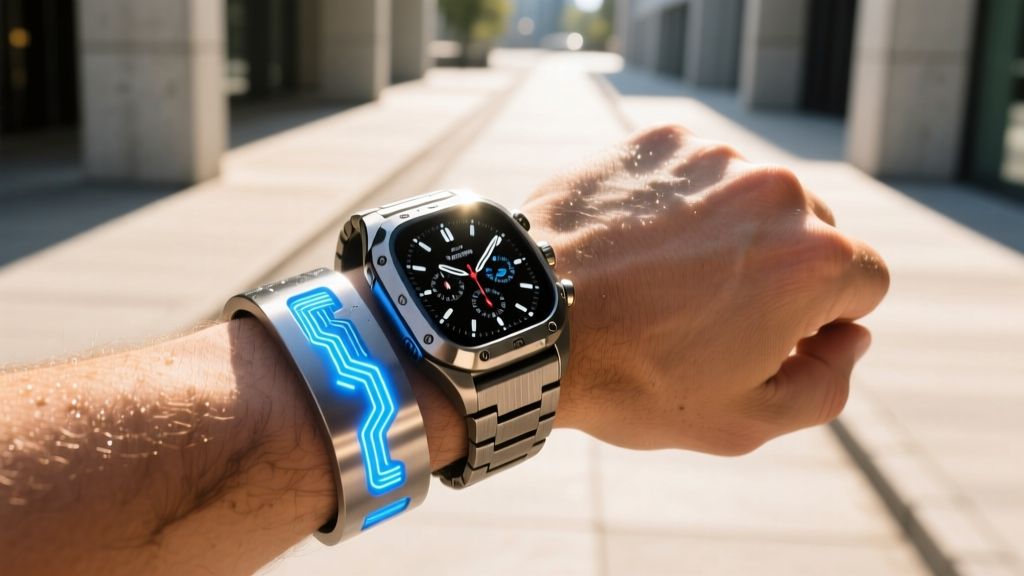
The Thermodynamics of Wrist-Worn Cooling Gadgets
Integrating thermal management into wearable tech requires overcoming severe spatial and power constraints. When evaluating cooling gadgets designed for the wrist, the market is currently split between two distinct physical mechanisms: the Peltier effect (thermoelectric cooling) and Phase Change Materials (PCM). Understanding the thermodynamics of both is critical before pairing them with high-end smartwatches like the Apple Watch Ultra 3 or Garmin Fenix 8.
Thermoelectric wristbands utilize a Peltier module to transfer heat from one side of a ceramic plate to the other when an electrical current is applied. According to foundational research on localized thermal regulation by MIT researchers, the wrist is an ideal target for thermal manipulation because the radial and ulnar arteries sit close to the skin surface. Cooling the blood at the wrist creates a systemic cooling effect, tricking the hypothalamus into lowering the body's overall thermal set-point without the massive energy expenditure required to cool the entire torso.
Conversely, PCM bands rely on endothermic reactions. These bands contain microencapsulated wax or salt hydrates engineered to melt at precisely 28°C (82.4°F). As the material transitions from solid to liquid, it absorbs ambient and body heat. While PCM requires zero battery power, it is a passive, temporary solution that loses efficacy once the material fully liquefies.
Top Active Cooling Smartwatch Bands & Wrist Accessories
The intersection of smartwatch accessories and active cooling has produced several highly specialized devices. Here are the most effective cooling gadgets that complement a premium wearable setup.
1. Embr Wave (Thermoelectric Wristband)
The Embr Wave is the direct commercial descendant of the MIT Wristify project. Priced at $299, it features an anodized aluminum thermal plate that delivers precise cooling (or heating) pulses. While it is a standalone wristband rather than a direct smartwatch strap, it is designed to be worn on the opposite wrist or integrated into a dual-wearable setup. The accompanying app allows you to set specific temperature targets, and the device uses BLE (Bluetooth Low Energy) to log your thermal comfort data, which can be cross-referenced with your smartwatch's heart rate variability (HRV) metrics.
2. GlacierTech PCM Smartwatch Straps
For users who refuse to sacrifice smartwatch battery life, GlacierTech offers replacement fluoroelastomer straps embedded with PCM microcapsules. Priced around $45, these straps fit standard 22mm and 26mm lug widths (compatible with most Garmin and Samsung Galaxy Watches). The PCM activates when skin temperature exceeds 29°C, providing roughly 45 minutes of active heat absorption during peak sun exposure before requiring a 10-minute cool-down in the shade to re-solidify.
3. Macoshift Evaporative Cooling Sleeve
While not an electronic gadget, the Macoshift sleeve utilizes advanced capillary-action fabrics that pull sweat away from the skin and accelerate evaporation. When paired with a smartwatch featuring optical heart rate sensors, keeping the wrist surface dry and cool significantly reduces sensor slip and improves the accuracy of SpO2 and HR readings during high-heat endurance events.
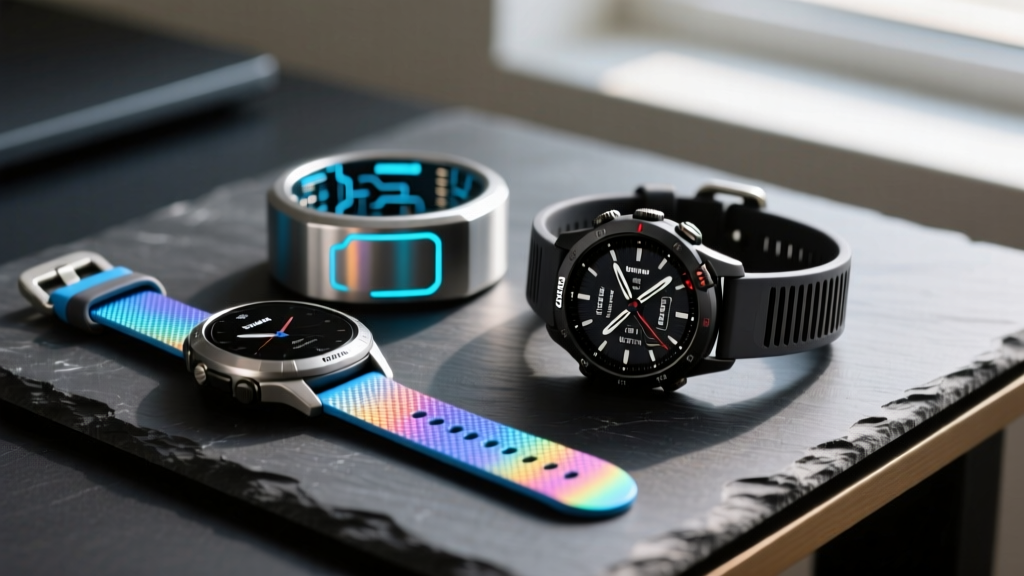
Comparative Matrix: Cooling Wearables
| Device Type | Mechanism | Active Duration | Power Source | Smartwatch Integration |
|---|---|---|---|---|
| Embr Wave | Peltier (Thermoelectric) | Up to 4 hours | Internal Li-ion (1000mAh) | BLE App Sync / HealthKit Export |
| GlacierTech Strap | Phase Change Material | ~45 minutes | Passive (None) | Direct Physical Replacement |
| Macoshift Sleeve | Evaporative Capillary | Continuous (if wet) | Passive (None) | Improves Optical Sensor Accuracy |
| Sony Reon Pocket 4 | Peltier (Thermoelectric) | Up to 5 hours | Internal Li-ion | App Sync (Requires Neck Harness) |
Syncing Smartwatch Faces with Thermal Accessories
A true tech enthusiast setup involves data synchronization between your smartwatch and your cooling gadgets. Modern smartwatches, particularly the Apple Watch Ultra series and high-end Garmins, now include dedicated skin temperature sensors. You can leverage this data to trigger your active cooling accessories.
Step-by-Step Watch Face Configuration:
- Extract Skin Temp Data: Use an app like Watchsmith (iOS) or Facer (Cross-platform) to create a custom watch face complication that pulls real-time skin temperature deviations from the native Health or Garmin Connect API.
- Set Thermal Thresholds: Configure a Shortcuts (iOS) automation. Set the trigger condition to: 'When Skin Temp Deviation > +0.5°C'.
- Trigger the Cooling Gadget: Link the automation to the Embr Wave API or a smart plug connected to your PCM recharging station. When your watch detects a spike in localized wrist temperature, it automatically sends a BLE command to the Embr Wave to initiate a 3-minute cooling pulse.
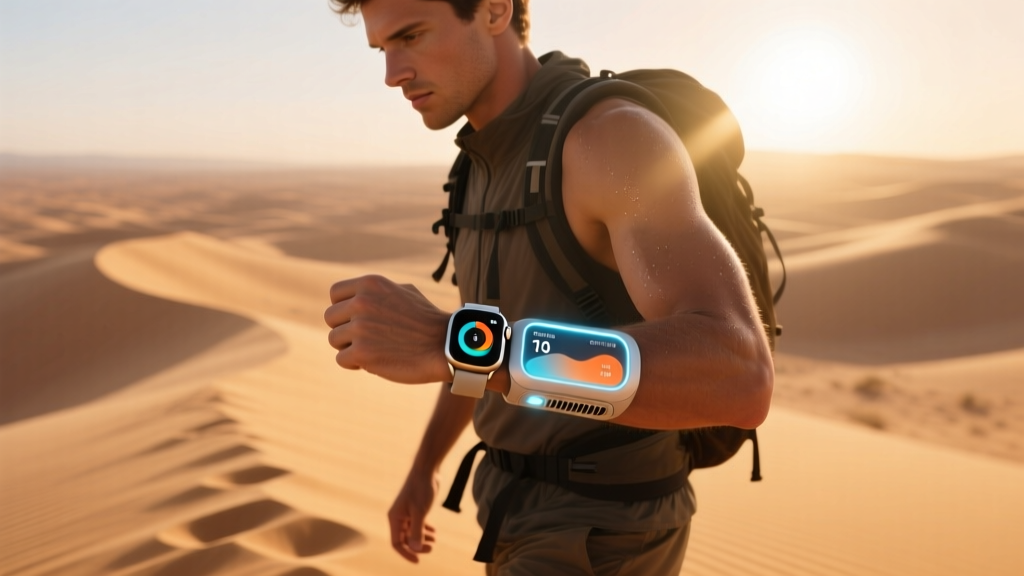
Battery Drain and Thermal Throttling: The Hidden Trade-offs
The primary reason we do not yet see Peltier coolers built directly into Apple or Samsung smartwatches is the brutal mathematics of power consumption. A standard miniaturized Peltier module requires between 2W and 5W of continuous power to maintain a meaningful temperature delta (ΔT) against human skin.
Consider the battery capacity of a premium smartwatch: the Apple Watch Ultra 3 houses a roughly 542mAh battery (approx. 2.02Wh at 3.8V). If an integrated cooling gadget drew just 3W, it would drain the smartwatch's entire battery in roughly 40 minutes, while simultaneously generating massive waste heat on the exhaust side of the Peltier plate. This waste heat would trigger the smartwatch's internal thermal throttling, dimming the OLED display and disabling the GPS and LTE radios to protect the logic board.
The Expert Workaround: Never buy a 'smart-cooling' strap that draws power directly from your smartwatch's pogo pins or proprietary charging contacts. Always opt for standalone cooling gadgets with their own independent power cells that communicate via low-energy Bluetooth protocols.
Buying Framework: Which Cooling Wearable Fits Your Use Case?
Selecting the right thermal accessory depends entirely on your environmental exposure and activity type.
- For Endurance Runners & Cyclists: Choose PCM Straps (GlacierTech) or evaporative sleeves. You need zero added weight, zero battery anxiety, and passive cooling that doesn't interfere with the watch's optical heart rate sensor grip.
- For Outdoor Workers & Hikers: Invest in the Embr Wave. The ability to deliver on-demand, active cooling pulses via a smartphone or smartwatch shortcut is invaluable when working in high-humidity environments where sweat evaporation fails.
- For Office & Commute Thermal Comfort: Use a Sony Reon Pocket in a specialized harness. It provides systemic torso cooling that pairs well with a smartwatch tracking your indoor HRV and stress levels.
Frequently Asked Questions
Can I wear a thermoelectric cooling band and a smartwatch on the same wrist?
It is not recommended. The Peltier module requires direct skin contact for the cold plate, and the exhaust side vents heat. Wearing a smartwatch adjacent to the exhaust vent can artificially raise the smartwatch's internal temperature, causing inaccurate skin temp readings and potential thermal throttling of the watch's processor. Wear them on opposite wrists.
Do PCM smartwatch bands degrade over time?
Yes. The microencapsulated wax in PCM materials undergoes phase-cycle fatigue. Expect a 15% to 20% reduction in total heat absorption capacity after roughly 500 to 800 melt-freeze cycles (approximately two years of daily summer use).
Written by
Sarah KimSarah Kim holds certifications from both NASM (National Academy of Sports Medicine) and ACE (American Council on Exercise), along with a B.S. in Kinesiology from UCLA. She has spent 7 years bridging the gap between exercise science and consumer technology, evaluating fitness trackers, smart scales, sleep monitors, and recovery devices with clinical precision. Sarah has tested over 200 health-focused wearables in controlled lab settings and real-world training environments, comparing device data against gold-standard medical equipment like ECG monitors and DEXA scans. She consults for three fitness app companies on data accuracy standards and has presented research on wearable reliability at the American College of Sports Medicine (ACSM) annual conference. Her reviews emphasize clinical validity over marketing claims.