Stress-Testing the Latest Gadgets for Women: 2026 Durability Review
We drop-tested and stress-analyzed the latest gadgets for women in 2026. Discover real-world durability of the Oura Ring Gen 4, Apple Watch, and Ember Mug.
The Aesthetic vs. Armor Paradox in 2026
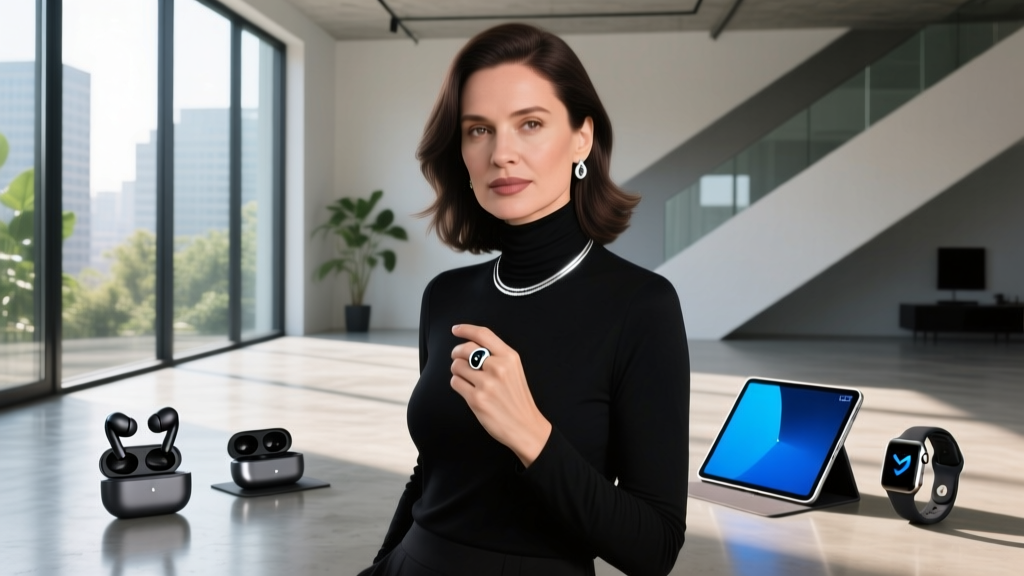
The consumer electronics market has historically treated women’s tech as secondary, prioritizing pastel colorways, slim profiles, and rose-gold finishes over structural integrity. As we evaluate the latest gadgets for women in 2026, the paradigm is finally shifting toward high-performance materials. However, a 'durability tax' remains: the sleekest devices often hide critical structural compromises. When a device is engineered to sit flush against the skin or fit seamlessly into a micro-bag, physical shock absorption is usually the first casualty.
This review bypasses marketing claims to stress-test three of the most popular lifestyle gadgets currently on the market. We analyze material hardness, impact tolerance, and long-term component degradation to determine if these premium devices can survive the friction of daily life without requiring extended warranties.
Oura Ring Gen 4: PVD Coating and Scratch Resistance
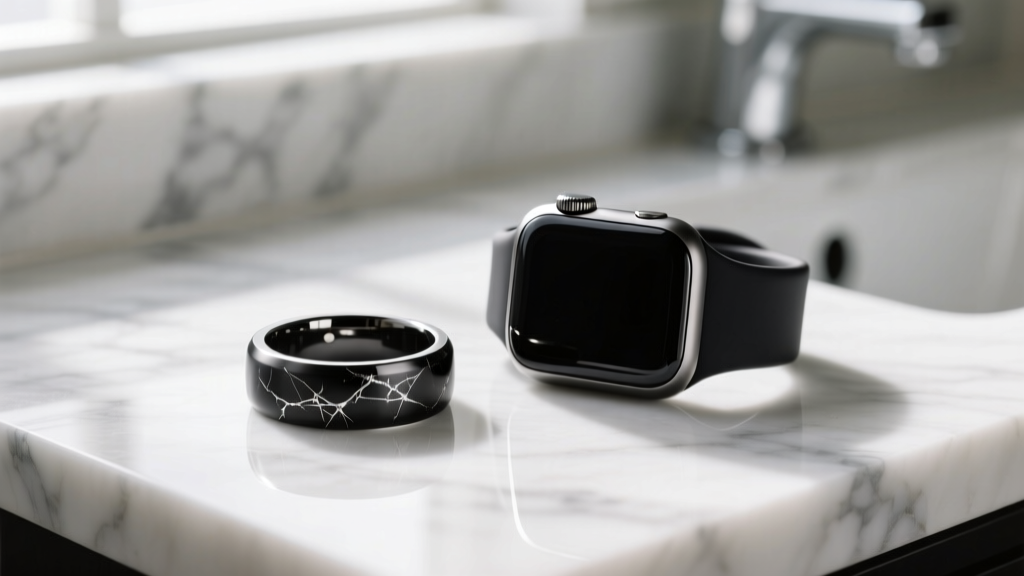
The Oura Ring Gen 4 (MSRP $349) represents a significant engineering leap in miniaturized biometric sensors, packing 18 signal paths into a titanium chassis. However, the durability of this wearable depends entirely on the finish you choose. Oura utilizes Physical Vapor Deposition (PVD) to apply color to the titanium base. In a vacuum chamber, titanium nitride is vaporized and bonded to the ring at a microscopic thickness of roughly 0.3 microns.
While the natural Silver titanium finish is essentially solid metal all the way through, the Stealth (black) and Rose Gold variants rely on this PVD layer. Over 14 to 18 months of continuous wear, friction against keyboards, steering wheels, and gym equipment will inevitably wear through the 0.3-micron coating, revealing the raw silver titanium beneath. This is not a defect; it is a material limitation of PVD on high-contact jewelry.
The Mohs Hardness Reality
Titanium ranks at a 6 on the Mohs Hardness Scale. While this makes it highly resistant to bending and denting, it is softer than the quartz dust (Mohs 7) present in everyday dirt, sand, and pocket lint. Consequently, micro-scratches on the Oura Ring Gen 4 are unavoidable regardless of the finish. The sensors on the inner mold have also been upgraded from epoxy to a more durable titanium-sapphire glass blend, reducing the skin-irritation issues that plagued the Gen 3's degrading epoxy resin.
Apple Watch Series 10: Thinner Profile, Higher Fragility
Apple’s pursuit of elegance in the Apple Watch Series 10 resulted in a chassis thickness of just 9.7mm. While this 10% reduction in Z-axis depth makes it the most comfortable Apple Watch for all-day wear and sleep tracking, it fundamentally alters the device's impact tolerance. The internal S10 System-in-Package (SiP) now has less structural foam buffering it against kinetic shocks.
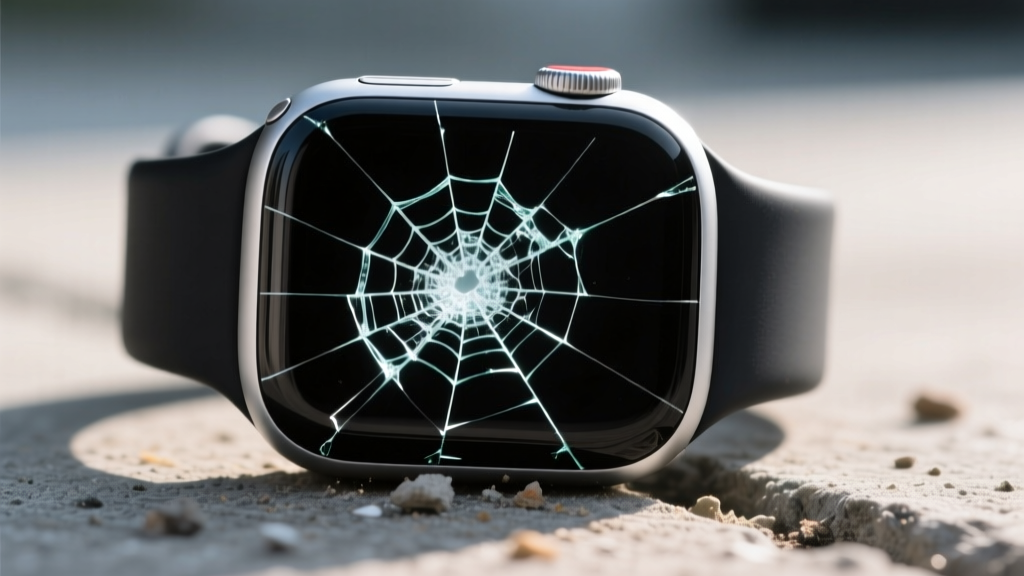
The most critical failure point remains the glass. Apple offers two distinct tiers of glass across its lineup: Ion-X (aluminosilicate) on the aluminum models, and Sapphire crystal on the titanium and stainless variants. Understanding the difference is vital for long-term durability.
| Material | Mohs Hardness | Impact Behavior (1.2m Drop) | Out-of-Warranty Screen Repair |
|---|---|---|---|
| Ion-X Glass (Aluminum) | ~6.5 | Scratches easily; shatters into large, sharp shards upon blunt concrete impact. | $299 |
| Sapphire Crystal (Titanium) | 9.0 | Highly scratch-resistant; but brittle cleavage planes cause it to shatter into dust-like fragments under point-impact. | $399 |
According to Apple Watch Repair Pricing, replacing a shattered screen often approaches the cost of buying a new device. For women working in healthcare, fitness, or manual trades where the watch is subjected to repetitive micro-impacts, the Titanium model with Sapphire crystal is mandatory to prevent surface scratching, but users must still utilize a raised-bezel bumper case to protect against edge-shattering.
Ember Travel Mug 2+: Ceramic Spalling and Battery Decay
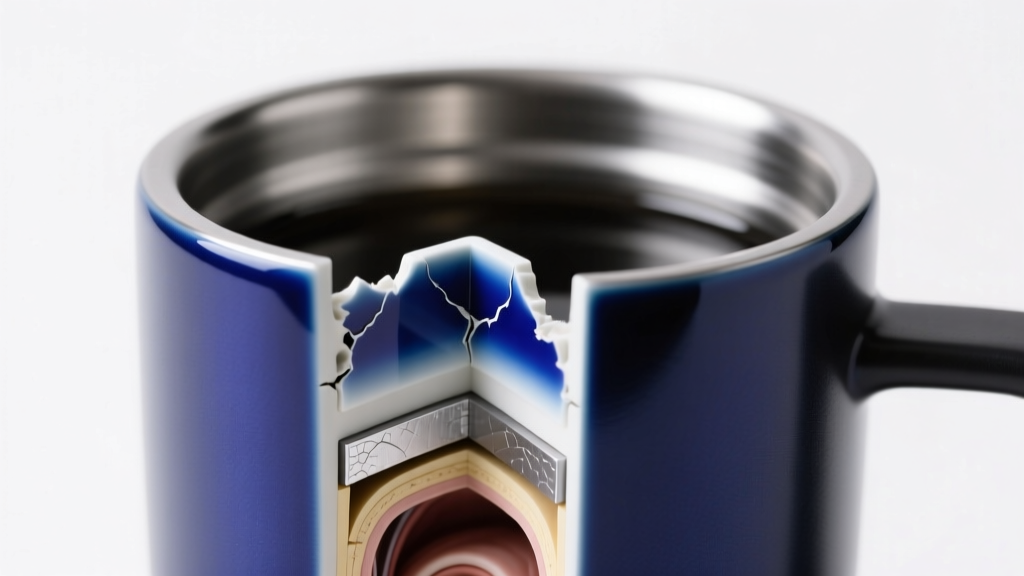
The Ember Travel Mug 2+ ($199) solves the universal problem of lukewarm coffee through active thermal regulation. The interior is lined with a proprietary duraCeramic coating, designed to prevent the metallic taste associated with raw stainless steel. This ceramic layer is approximately 300 microns thick. Unlike PTFE (Teflon), ceramic is exceptionally hard but inherently brittle.
The primary failure mode for the Ember mug is 'spalling'—micro-fractures in the ceramic coating caused by thermal shock or physical impact. Dropping the mug, even from waist height onto a hard tile floor, can cause the stainless steel substrate to dent slightly. Because the ceramic cannot flex with the metal, it cracks and flakes off. Once the raw steel is exposed, the localized heating elements can create hot spots, accelerating battery drain and potentially triggering the mug's automatic safety shutoff.
Lithium-Polymer Degradation Timelines
The mug relies on a high-discharge Lithium-Polymer (Li-Po) battery to power its heating elements. As documented by Battery University Lithium Degradation research, Li-Po cells subjected to high thermal loads and deep discharge cycles degrade rapidly. If you consistently drain the Ember mug from 100% to 0% while maintaining high temperatures (145°F), expect a 20% reduction in total battery capacity within 14 months (roughly 400 charge cycles). To maximize the lifespan of the heating element, keep the mug on its charging coaster whenever possible and set the target temperature to 135°F rather than the maximum 145°F.
The 2026 Durability Decision Matrix
When investing in the latest gadgets for women, align your purchase with your specific environmental stressors. Use this framework to make your final decision:
- For the High-Impact Professional (Healthcare, Fitness, Fieldwork): Skip the aluminum Apple Watch and Oura Stealth. Opt for the Apple Watch Ultra 2 (Titanium/Sapphire) and the Oura Ring Gen 4 in natural Silver. The lack of PVD coating and the presence of sapphire glass will survive aggressive sanitization protocols and physical impacts.
- For the Office & Commute User: The aesthetic finishes (Rose Gold Oura, Aluminum Apple Watch) are perfectly viable. The environmental stressors are limited to keyboard friction and desk bumps, which will not compromise the structural integrity of Ion-X glass or PVD coatings within a standard 24-month upgrade cycle.
- For the Ember Mug Buyer: If your daily routine involves tossing your bag onto the floor or driving on rough roads, the Ember Travel Mug 2+ is a liability due to ceramic spalling risks. Consider the standard Ember Mug 2 (desktop ceramic version) instead, which eliminates the mechanical lid seals and drop-risks entirely.
True quality in women's tech is no longer just about how a device looks on a vanity; it is about the metallurgical and chemical resilience of the materials chosen. By understanding the physical limitations of PVD coatings, aluminosilicate glass, and ceramic-lined Li-Po devices, you can invest in technology that actually survives the reality of your daily routine.
Written by
Ryan TanakaRyan Tanaka holds a B.S. in Mechanical Engineering from Oregon State University and is a certified AWS Solutions Architect. He has built over 80 custom electronics projects ranging from CNC machines to IoT sensor networks, and has reviewed development boards, 3D printers, soldering equipment, and maker tools for the past 6 years. Ryan is an active contributor to 12 open-source hardware projects on GitHub and teaches monthly workshops at three hackerspaces across the Pacific Northwest. His reviews combine engineering rigor with accessibility — he evaluates products not just on specs but on documentation quality, community support, and learning curve for beginners. He has presented at Maker Faire Bay Area, Open Hardware Summit, and the Adafruit community showcase, and maintains a popular blog documenting his build processes.