Awesome Car Gadgets: 2026 Auto Tech Trends & Future Outlook
Discover the most awesome car gadgets of 2026. Our trend report explores future auto tech, from AI dash cams to smart OBD3 diagnostics and AR HUDs.
The Evolution of Automotive Accessories: From Novelty to Necessity
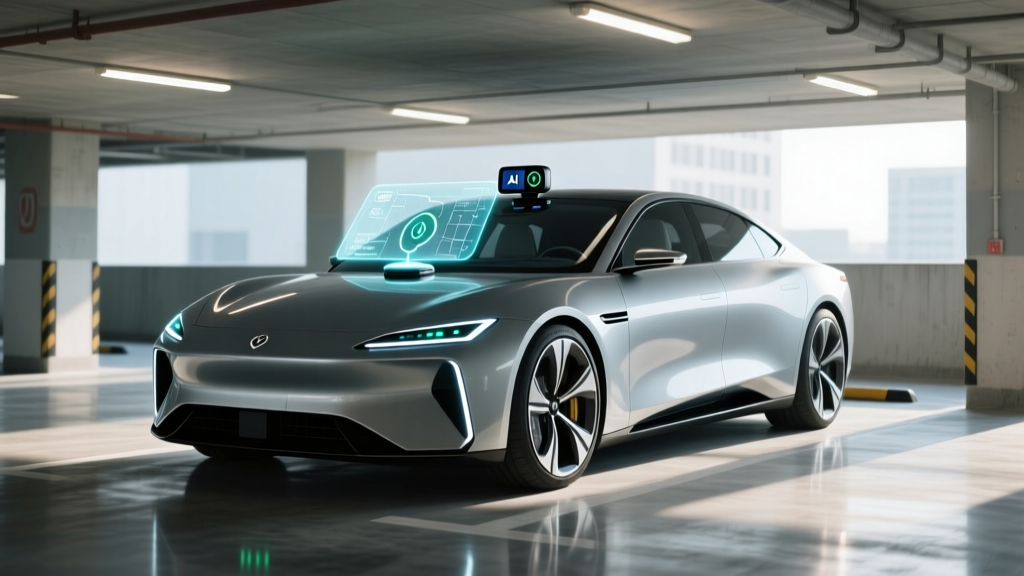
The definition of awesome car gadgets has undergone a radical transformation. A decade ago, the term conjured images of LED underglow kits, FM transmitters, and suction-cup GPS units. Today, as we navigate the automotive landscape of 2026, the aftermarket tech sector is dominated by edge-computing AI, predictive telematics, and augmented reality. Vehicles are no longer just mechanical transport; they are rolling data centers. For the modern gearhead and daily commuter alike, upgrading your ride is less about aesthetics and more about integrating your car into the broader IoT (Internet of Things) ecosystem.
In this comprehensive trend report, we break down the most impactful automotive gadgets defining 2026, examining the engineering shifts, real-world pricing, and the future outlook for in-cabin technology.
Top Trending Auto Tech Defining 2026
1. AI-Powered Predictive Dash Cams
The dash cam market has moved far beyond simple loop recording. In 2026, the gold standard is the Nextbase iQ Smart Dash Cam and similar LTE-connected AI units. These devices utilize onboard neural processing units (NPUs) to differentiate between a swaying tree branch and an actual break-in attempt, triggering a 'Sentry Mode' that streams 4K footage directly to your smartphone via 5G.
- Key Specs: 4K HDR resolution, 140-degree field of view, built-in 5GHz Wi-Fi, and LTE connectivity.
- Real-World Pricing: $249 - $299 (plus $12/month for LTE cloud storage).
- Expert Insight: The biggest failure mode for dash cams in 2026 remains extreme cabin heat. With summer temperatures regularly pushing interior cabin temps past 140°F (60°C), lithium-ion batteries are prone to swelling. Always opt for models utilizing supercapacitors rather than traditional batteries for power buffering, ensuring longevity in harsh climates.
2. The Shift to OBD-III Telematics Scanners
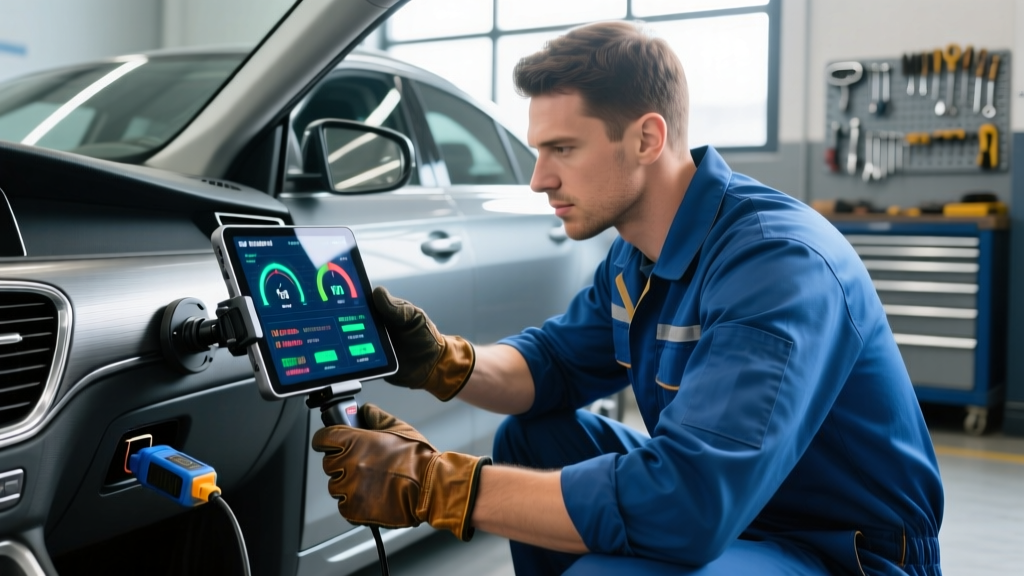
For decades, the OBD-II port has been the gateway to a vehicle's soul. However, regulatory shifts are changing the game. The California Air Resources Board (CARB) and federal agencies have been laying the groundwork for OBD-III, a system designed to allow remote, wireless emissions and diagnostic monitoring. While full mandatory OBD-III rollout is still phasing in across various states, aftermarket scanners are adapting rapidly.
Devices like the BlueDriver Pro 2026 Edition ($129) now feature preemptive telematics. They don't just read codes; they analyze long-term fuel trim and catalytic converter efficiency trends, warning you weeks before a remote state-mandated OBD-III check would flag your vehicle.
| Feature | Legacy OBD-II (1996-2024) | Next-Gen OBD-III / HD-OBD (2025+) |
|---|---|---|
| Connection | Wired / Local Bluetooth | Cellular Telematics / Cloud-Synced |
| Data Access | Local mechanic / owner only | Remote regulatory & owner access |
| Diagnostics | Reactive (Check Engine Light) | Predictive (Degradation modeling) |
| Security | Unencrypted CAN bus | Encrypted, tokenized data packets |
3. Holographic Waveguide AR HUDs
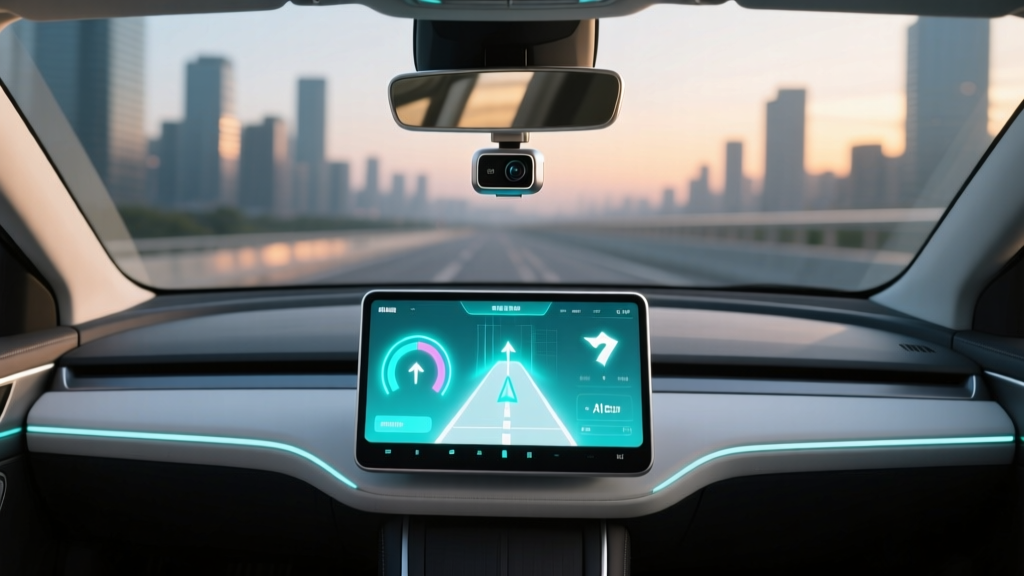
Heads-Up Displays (HUDs) used to be simple reflections of your speedometer onto a cheap piece of tinted plastic. The 2026 trend is all about Augmented Reality (AR) Waveguide HUDs. Units like the Carmina AR HUD Pro ($349) project navigation arrows, blind-spot warnings, and adaptive cruise control distances directly onto the windshield, aligning them with the actual road geometry.
'The integration of V2X (Vehicle-to-Everything) communication into aftermarket HUDs is the biggest leap we have seen since the invention of the backup camera. Your car now literally sees around corners by pulling data from smart city infrastructure.' - Automotive Tech Review, CES 2026 Coverage.
Pros and Cons of Aftermarket AR HUDs
- Pros: Keeps eyes on the road, integrates with Waze/Apple Maps via wireless CarPlay, drastically reduces cognitive load during complex highway interchanges.
- Cons: Requires precise windshield curvature calibration; double-image ghosting can occur on older, non-wedge-laminated windshields.
4. Smart TPMS-Synced Tire Inflators
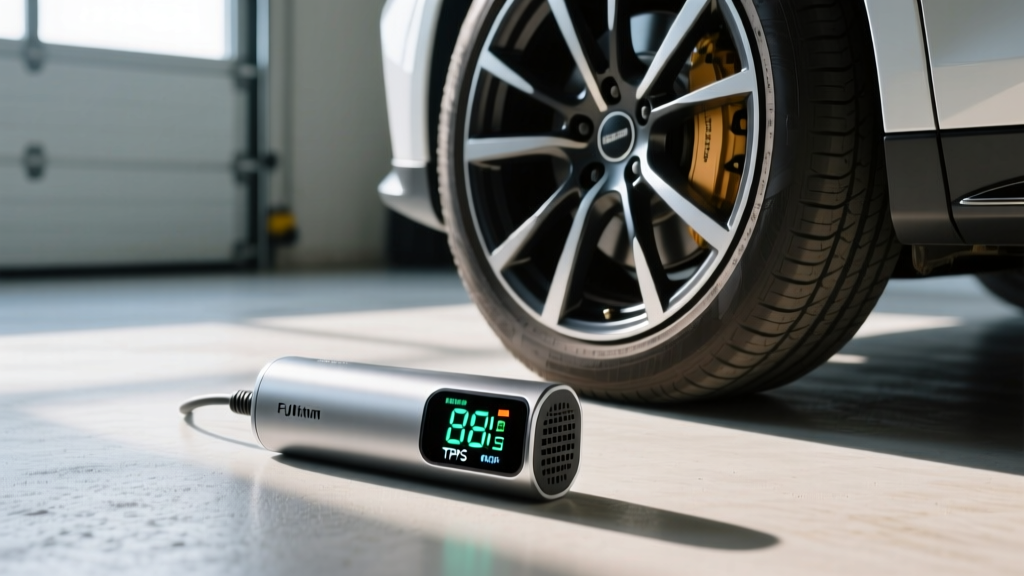
Portable tire inflators are no longer just loud, clunky air pumps. The Fanttik X9 Pro ($79) represents the pinnacle of this micro-category. It features a digital manifold that syncs directly with your car's TPMS (Tire Pressure Monitoring System) via Bluetooth. You set the exact OEM-spec PSI on the app, and the inflator auto-shuts off with 0.1 PSI accuracy.
- Performance: Inflates a standard 225/50R17 tire from 25 to 35 PSI in roughly 4.5 minutes.
- Battery: 2500mAh lithium-ion, capable of topping off four tires on a single charge.
- Edge Case: In sub-freezing temperatures (below 20°F), the digital LCD response time slows, and the internal lubricants require a 30-second warm-up idle before applying full load.
Buyer’s Decision Framework: Upgrading Your Ride
With the market flooded with tech, how do you separate the gimmicks from the genuinely awesome car gadgets? Use this 2026 decision matrix before purchasing:
- The Data Privacy Test: Does the gadget require a cloud account? If so, read the EULA. Ensure the manufacturer anonymizes GPS telemetry data. Avoid cheap, white-label OBD dongles that sell your driving habits to insurance aggregators.
- The Thermal Tolerance Check: Any gadget mounted to the windshield or left in the cabin must be rated for 85°C (185°F) operational temperatures. Look for supercapacitors and ABS+PC polymers.
- The Integration Factor: Prioritize gadgets that support Matter or Apple HomeKit/Android Auto natively. A standalone app for every single car accessory is a recipe for digital fatigue.
Frequently Asked Questions (FAQ)
Are OBD-III scanners backward compatible with older cars?
Yes, but with limitations. Next-gen scanners like the BlueDriver Pro will still plug into a 1998 OBD-II port and read standard P-codes. However, the predictive telematics and remote cloud-monitoring features require the higher bandwidth and specific CAN-FD protocols found in vehicles manufactured after 2022.
Do AR HUDs work on polarized sunglasses?
This is a common issue. Most aftermarket AR HUDs project light in a specific polarization to reduce glare. If you wear polarized sunglasses, the HUD may appear dim or completely invisible depending on the tilt of your head. Look for HUDs that offer 'Multi-Plane Projection' to mitigate this.
Is it legal to use an LTE dash cam with remote viewing?
According to NHTSA guidelines and general privacy laws, recording the exterior of your vehicle in public spaces is legal. However, if your dash cam features an interior-facing cabin camera, you must disclose audio/video recording to passengers, especially if you drive for rideshare services like Uber or Lyft.
Final Thoughts
The era of passive automotive accessories is over. The most awesome car gadgets of 2026 are proactive, connected, and deeply integrated into the digital fabric of our daily lives. Whether you are safeguarding your vehicle with an AI sentry, preempting emissions failures with an OBD-III scanner, or navigating via holographic AR, investing in smart auto tech is an investment in safety, efficiency, and peace of mind. As V2X infrastructure continues to expand through 2027 and beyond, the gadgets you install today will only become more powerful as the network around them grows.
For more deep dives into automotive tech, check out our CES 2026 Auto Tech roundup and stay tuned to GadgetGuideNet for weekly garage upgrades.
Written by
Marcus WebbMarcus Webb served as a U.S. Army logistics officer for 8 years, where he managed field equipment procurement and tactical gear evaluation across three combat deployments. After honorable discharge, he earned a certification from the Professional Knife Makers Association and became a certified Wilderness First Responder (WFR). Marcus has tested over 500 EDC products in extreme environments — from -40°F in Alaska to 120°F in the Mojave Desert — using military-spec testing protocols. His reviews of multi-tools, tactical flashlights, and survival gear are known for their rigorous methodology: controlled drop tests from 6 feet, 120-minute water submersion at 2 meters, and lateral torque testing at 45 Nm. He is a member of the Blade Show judging panel and contributes to OutdoorGearLab.