Top Problem-Solving Home Improvement Gadgets for 2026
Upgrade your DIY toolkit with our top problem-solving home improvement gadgets for 2026. Smart sensors, laser levels, and practical tech for every guy.
The Shift from Dumb Tools to Smart Problem-Solvers
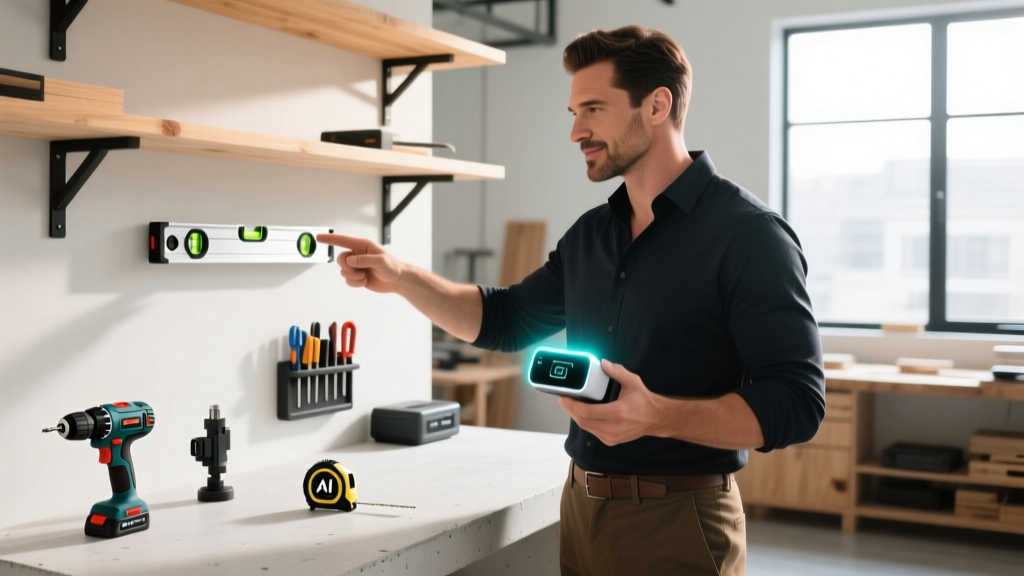
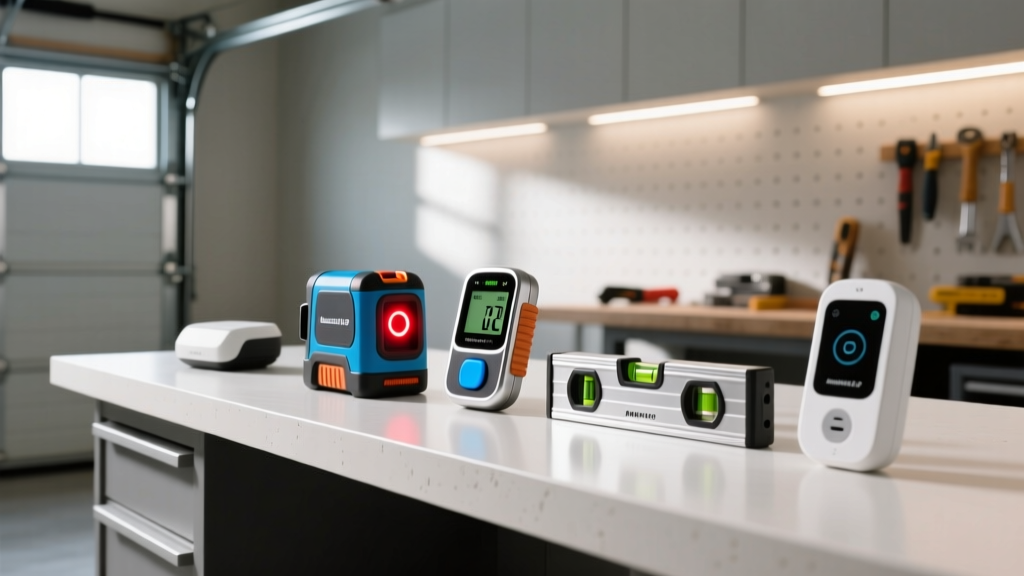
The landscape of DIY and home renovation has fundamentally changed. As we navigate 2026, the most valuable gear in a man's arsenal isn't just about raw power or flashy RGB lighting; it is about mitigating risk, eliminating guesswork, and saving time. The latest generation of home improvement gadgets are purpose-built problem solvers. They bridge the gap between professional contracting diagnostics and weekend warrior accessibility.
Whether you are framing a basement, upgrading your electrical panel, or simply trying to hang heavy shelving without destroying your drywall, relying on outdated analog tools is a liability. Below, we break down the most practical, high-ROI problem-solving gadgets that deserve a permanent spot in your everyday carry (EDC) or workshop toolkit this year.
The Ultimate Problem-Solving Home Improvement Gadgets Lineup
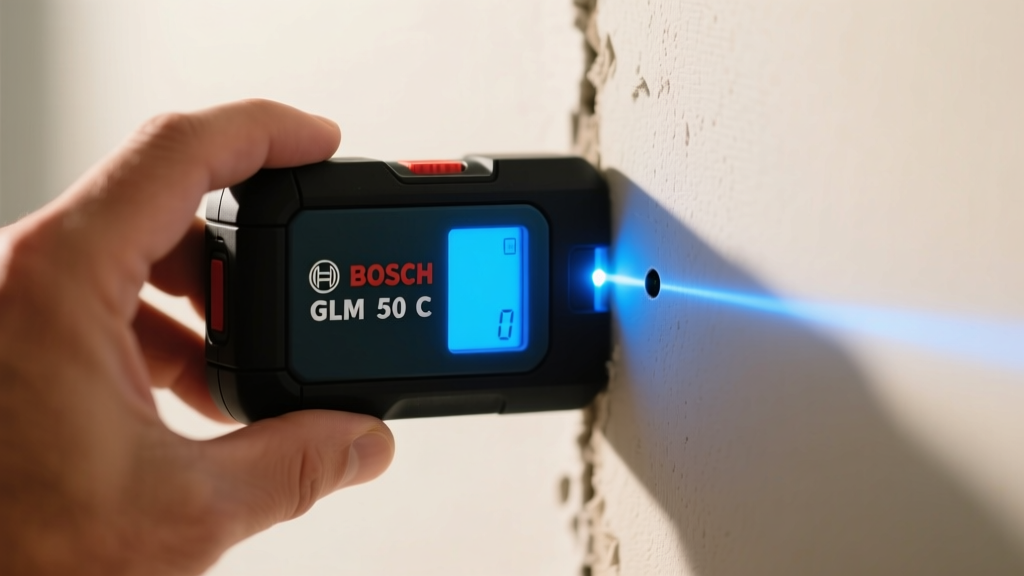
1. Bosch GLM 50 C Bluetooth Laser Measure (The "Tape Measure Tangle" Solver)
The Problem: Traditional tape measures sag over long distances, bend at awkward corners, and make solo room-mapping an absolute nightmare. Furthermore, manually transcribing measurements to graph paper leads to costly material miscalculations.
The Solution: The Bosch GLM 50 C utilizes a precision laser diode to deliver 1/16-inch accuracy up to 165 feet. But its real problem-solving power lies in its Bluetooth connectivity and built-in tilt sensor. By pairing it with the Bosch MeasureOn app, you can instantly generate digital floor plans, calculate square footage for paint or flooring, and export 3D models directly into SketchUp or AutoCAD.
- Real-World Edge Case: When measuring ceiling heights in vaulted rooms, the GLM 50 C uses indirect measurement (Pythagorean theorem via the tilt sensor) to calculate the exact height without needing a ladder.
- Price Point: ~$119 USD
2. Walabot DIY 2 Advanced Stud & Pipe Finder (The "Drywall Disasters" Solver)
The Problem: Magnetic and density-based stud finders are notoriously unreliable in modern homes. They fail to differentiate between a wooden stud, a PVC drain pipe, and a live 120V AC electrical cable. Drilling blind is a recipe for catastrophic water damage or electrocution.
The Solution: The Walabot DIY 2 abandons standard magnets for Radio Frequency (RF) imaging technology. By attaching to your smartphone, it literally lets you "see" up to 4 inches behind standard drywall. It color-codes and identifies wood studs, metal studs, PVC water lines, and live AC wiring in real-time.
Pro Tip for 2026 Homes: Modern homes heavily utilize PEX plumbing routed erratically through wall cavities. Standard stud finders cannot detect PEX. The Walabot's RF sensors catch these flexible pipes before your drill bit does.
3. Klein Tools ET450 Non-Contact Voltage Tester (The "Ghost Voltage" Solver)
The Problem: Cheap non-contact voltage testers frequently trigger false positives from "ghost voltages" (induced voltage from adjacent wires) or fail to detect low-voltage thermostat wiring, leading to dangerous assumptions when swapping outlets or smart switches.
The Solution: The Klein Tools ET450 features a specialized dual-range sensitivity switch. The low-range setting (12-48V AC) is perfect for troubleshooting doorbell transformers, smart thermostats, and landscape lighting. The high-range setting (70-1000V AC) safely verifies standard mains and heavy appliance circuits. It also features a bright dual-LED indicator and a built-in flashlight for dark electrical panels.
- Measurement Spec: CAT IV 1000V safety rating, ensuring it can handle the highest energy fault levels in residential service entrances.
- Price Point: ~$35 USD
4. Moen Flo Smart Water Monitor and Shutoff (The "Silent Leak" Solver)
The Problem: According to the EPA WaterSense program, the average home wastes nearly 10,000 gallons of water annually from easily fixable leaks. Worse, a slow leak behind a washing machine or water heater can rot subflooring for months before it becomes visible.
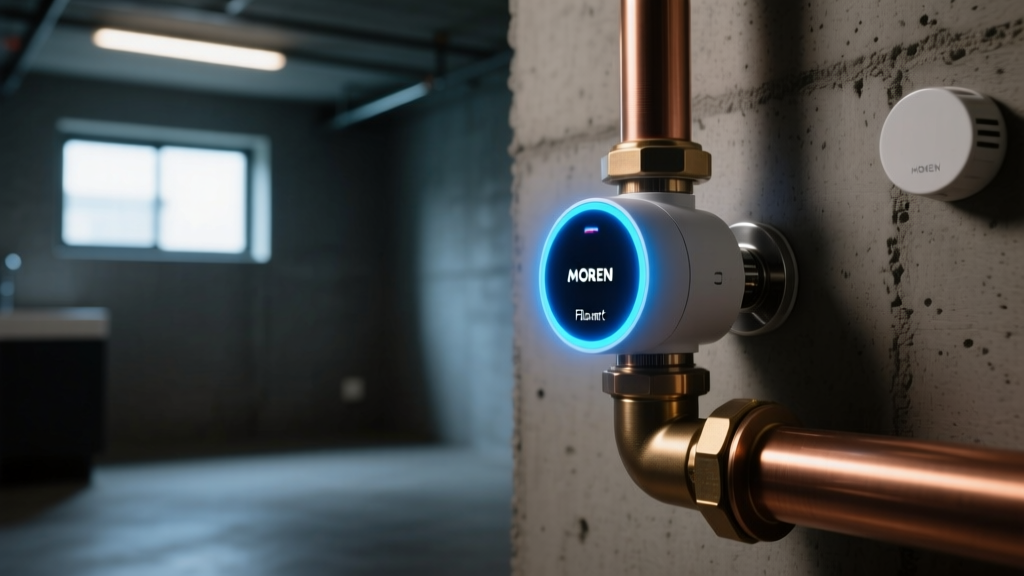
The Solution: The Moen Flo isn't just a detector; it is an inline diagnostic machine. Installed on your main water line, it uses MicroLeak™ technology to run automated nightly pressure tests, detecting leaks as small as one drop per minute. If a catastrophic pipe burst occurs, the Flo's AI recognizes the abnormal flow signature and automatically triggers the motorized ball valve to shut off your home's water supply in seconds, sending an emergency push notification to your phone.
Quick Comparison Matrix: Specs & Real-World Utility
To help you prioritize your next tool purchase, here is a structured breakdown of how these problem-solvers stack up against each other in a practical DIY environment.
| Gadget Model | Primary Problem Solved | Key Tech / Spec | Power Source | Est. Price (2026) |
|---|---|---|---|---|
| Bosch GLM 50 C | Solo measuring & floor planning | 1/16" accuracy, 165ft range | 2x AAA Batteries | $119 |
| Walabot DIY 2 | Hidden pipe & wire detection | RF Imaging, 4" depth | Smartphone USB-C | $149 |
| Klein ET450 | Ghost voltage & safe panel work | Dual-range (12-1000V AC) | 2x AAA Batteries | $35 |
| Moen Flo | Catastrophic & micro water leaks | Auto-shutoff, 1-drop/min test | Hardwired 120V | $499 |
Decision Framework: Which Gadget Do You Actually Need?
Not every DIYer needs a $500 inline water monitor, and not every homeowner needs a Bluetooth laser measure. Use this decision matrix to allocate your budget effectively:
For the "Weekend Warrior" (Cosmetic Updates & Decor)
Buy the Bosch GLM 50 C. If your primary projects involve painting, installing wainscoting, hanging gallery walls, or ordering custom blinds, the ability to instantly calculate square footage and export measurements to your phone will save you hours of math and prevent expensive material shortages.
For the "Home Flipper" or "Basement Framer"
Buy the Walabot DIY 2 and Klein ET450. When you are demolitioning, framing, or upgrading electrical in older homes, the wall cavities are a minefield of abandoned knob-and-tube wiring and mismatched plumbing. These two tools combined cost less than $200 and will easily pay for themselves the first time they prevent you from driving a framing nail into a live 240V dryer line.
For the "Set-and-Forget" Homeowner
Buy the Moen Flo. If you travel frequently, own a vacation property, or live in an area prone to freezing pipes, the Flo is an insurance policy. Many home insurance providers now offer premium discounts for installing certified automatic water shutoff valves, effectively allowing the gadget to pay for itself over a few years while providing ultimate peace of mind.
Frequently Asked Questions (FAQ)
Do smart home improvement gadgets require a constant Wi-Fi connection to function?
Most diagnostic hand tools, like the Bosch laser measure and Klein voltage tester, function perfectly offline. The Walabot relies on a direct USB-C connection to your smartphone's processing power, bypassing the need for Wi-Fi. However, infrastructure monitors like the Moen Flo require a stable 2.4GHz Wi-Fi connection to send remote alerts and run cloud-based AI leak algorithms, though the physical auto-shutoff valve will still trigger locally if a massive burst is detected offline.
Can the Walabot DIY 2 see through materials other than drywall?
The standard Walabot DIY 2 is specifically calibrated for standard 1/2-inch to 5/8-inch drywall. If you are working with lath and plaster, concrete, or thick wood paneling, the RF signals will scatter, rendering the imaging inaccurate. For masonry or concrete scanning, you would need to upgrade to a dedicated ground-penetrating radar (GPR) tool or a specialized concrete scanner like the Bosch D-tect series.
Are non-contact voltage testers 100% safe to rely on?
No gadget replaces fundamental safety protocols. While the Klein ET450 is highly accurate, non-contact testers can occasionally yield false negatives if the wire is heavily shielded or if the tool's battery is low. Always verify a circuit is dead using a dedicated plug-in circuit tester or a multimeter with physical probes before touching any bare copper or terminal screws.
Final Thoughts on Upgrading Your 2026 Toolkit
The definition of a "cool gadget" for men has matured. It is no longer just about novelty; it is about capability, precision, and protecting your most valuable asset—your home. By integrating smart diagnostics like RF imaging, Bluetooth spatial mapping, and AI-driven leak detection into your workflow, you transition from a guy with a hammer to a modern problem-solver. Invest in the tools that eliminate the guesswork, and your 2026 DIY projects will be safer, faster, and vastly more satisfying.
Written by
Ryan TanakaRyan Tanaka holds a B.S. in Mechanical Engineering from Oregon State University and is a certified AWS Solutions Architect. He has built over 80 custom electronics projects ranging from CNC machines to IoT sensor networks, and has reviewed development boards, 3D printers, soldering equipment, and maker tools for the past 6 years. Ryan is an active contributor to 12 open-source hardware projects on GitHub and teaches monthly workshops at three hackerspaces across the Pacific Northwest. His reviews combine engineering rigor with accessibility — he evaluates products not just on specs but on documentation quality, community support, and learning curve for beginners. He has presented at Maker Faire Bay Area, Open Hardware Summit, and the Adafruit community showcase, and maintains a popular blog documenting his build processes.