Awesome Kitchen Gadgets: Top Peelers & Slicers to Gift in 2026
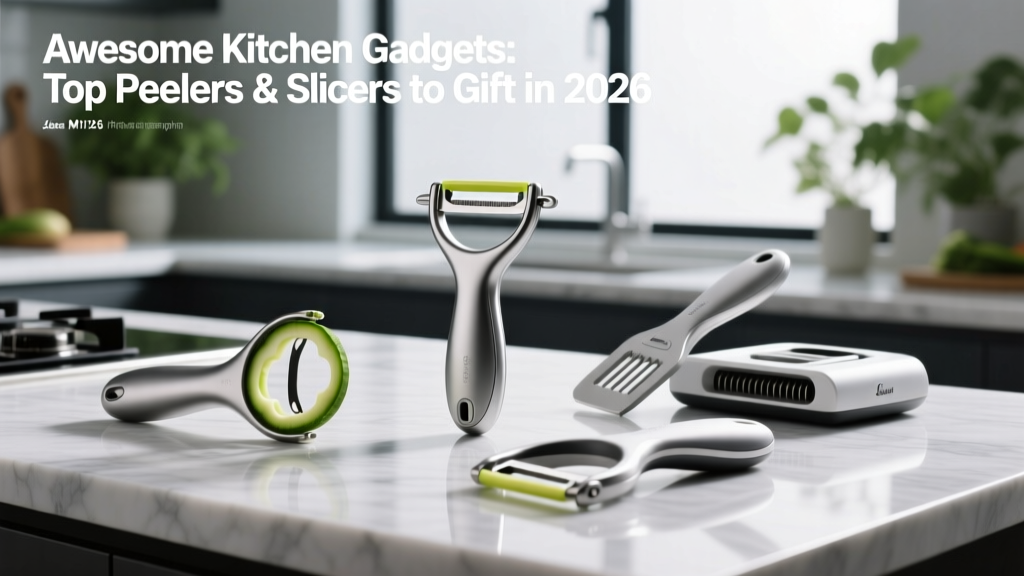
Discover the most awesome kitchen gadgets for gifting in 2026. Our expert guide covers top-rated vegetable peelers, graters, and precision slicers.
Why Prep Tools Make the Ultimate Culinary Gifts
Gifting kitchen equipment can be a minefield. High-ticket items like stand mixers or espresso machines often duplicate what the home cook already owns, while hyper-niche gadgets gather dust in the back of a drawer. However, premium hand tools—specifically vegetable peelers, graters, and mandoline slicers—occupy a sweet spot in the culinary world. They are used daily, degrade over time, and are rarely purchased at top-tier quality by home cooks for themselves.
When hunting for awesome kitchen gadgets that deliver genuine utility and tactile satisfaction, precision prep tools are unmatched. A razor-sharp peeler transforms the chore of prepping root vegetables into a seamless task, while a photo-etched grater unlocks aromatics that stamped metal simply destroys. This 2026 gift guide bypasses the gimmicks and focuses on metallurgy, ergonomics, and real-world failure modes to help you select the perfect prep tools for the cooks on your list.
The Gifting Matrix: Match the Cook to the Gadget
Not every cook needs the same tools. Use this decision framework to match your recipient's cooking style to the ideal gadget category.
| Recipient Profile | Ideal Gadget Category | Top 2026 Pick | Price Range |
|---|---|---|---|
| The Weeknight Warrior (Values speed, safety, and easy cleanup) |
Ergonomic Swivel Peelers & Safe-Cut Mandolines | OXO Good Grips Pro Swivel Peeler / Dash Safe Slice | $15 – $45 |
| The Precision Baker (Needs fine zests, chocolate shavings, and exact measurements) |
Photo-Etched Zesters & Paddle Graters | Microplane Premium Classic Series | $18 – $30 |
| The From-Scratch Purist (Makes gratins, pickles, and bulk preserves) |
Japanese-Style Angled Mandolines | Benriner No. 64 Japanese Mandoline | $75 – $95 |
| The Left-Handed Chef (Struggles with directional blade bias) |
Ambidextrous Y-Peelers & Box Graters | Kuhn Rikon Original Swiss Peeler | $10 – $20 |
Category 1: Next-Generation Vegetable Peelers
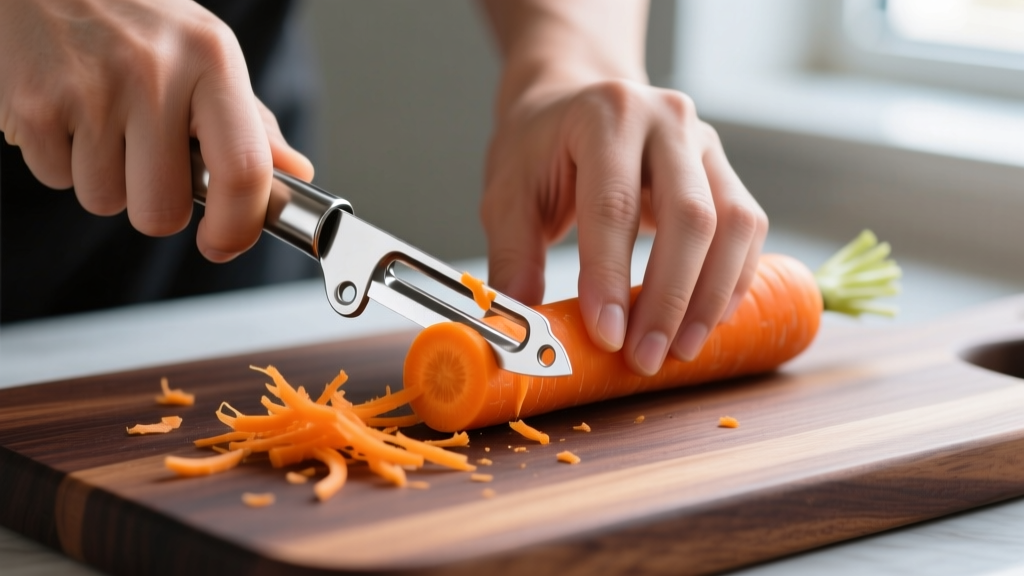
The market is flooded with $3 stamped-metal peelers that dull after a month and rust at the pivot points. Gifting a premium peeler means upgrading the blade steel and the bearing mechanism. According to extensive equipment testing by Serious Eats, the primary failure point in cheap peelers is the pivot pin seizing due to trapped starch and moisture.
The Y-Peeler vs. The Swivel Peeler
Before buying, determine your recipient's preferred grip. Y-peelers are favored by professional chefs for high-volume prep (like peeling 10 lbs of potatoes for gnocchi) because the wide blade and downward pulling motion reduce wrist strain. Swivel peelers are preferred for delicate tasks, like peeling apples or cucumbers, as the blade pivots to follow the contour of the produce.
💡 Expert Gifting Tip: The Blade Metallurgy
Look for blades made from high-carbon stainless steel or martensitic stainless steel (like 420J2). Carbon steel takes a sharper edge but will rust if left wet. If your gift recipient is notorious for leaving tools in the sink, opt for a ceramic blade or a high-grade stainless option like the Messermeister Pro-Touch ($12), which resists oxidation but requires a diamond hone to resharpen.
Top Peeler Gifts for 2026
- Kuhn Rikon Original Swiss Peeler ($12): The gold standard Y-peeler. Its carbon steel blade is astonishingly sharp, but it must be hand-dried. It is also one of the few truly ambidextrous peelers on the market, making it a flawless gift for left-handed cooks.
- Messermeister Pro-Touch Serrated Swivel Peeler ($14): Features a micro-serrated blade that grips slippery, thin-skinned produce like tomatoes and peaches without tearing the flesh. The Santoprene handle provides a secure grip even when wet.
Category 2: The Science of Graters and Zesters
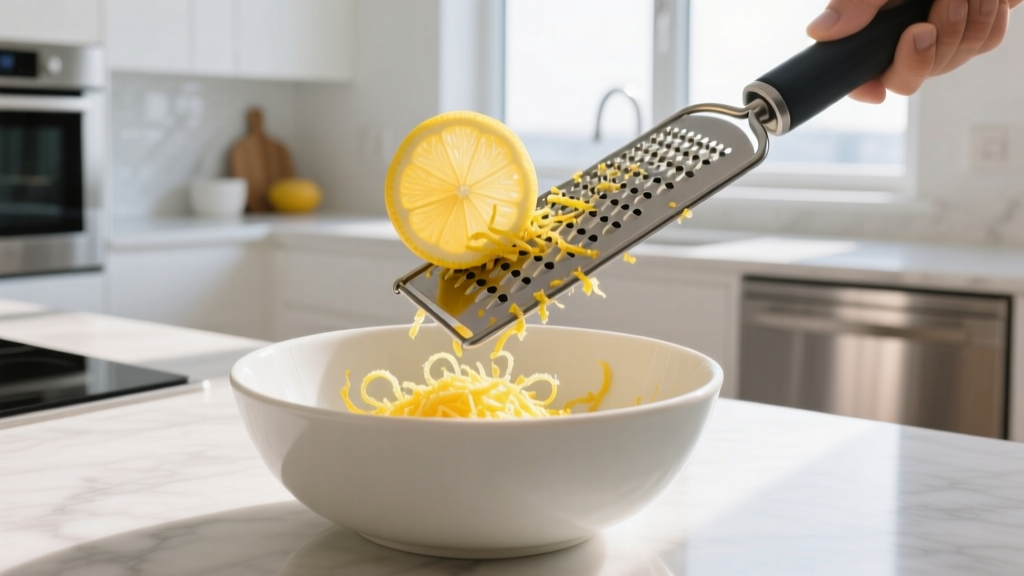
Most standard box graters are manufactured using a stamping process, where a die punches holes into sheet metal. This leaves a rough, torn edge that shreds food rather than slicing it. When zesting citrus, a stamped grater tears the albedo (the white pith), releasing bitter compounds and missing the essential oils trapped in the flavedo (the colored zest).
The solution—and an absolute must-have for any serious cook—is a photo-etched grater. This manufacturing process uses chemicals to dissolve metal at a microscopic level, creating razor-sharp, perfectly uniform teeth that slice cleanly through hard cheeses, spices, and citrus.
Top Grater Gifts
- Microplane Premium Classic Zester ($18): The undisputed champion of fine grating. The surgical-grade stainless steel blade yields fluffy mounds of Parmesan and dry, aromatic citrus zest. The premium version features a soft-touch handle and a snap-on protective cover, which is crucial for preventing accidental cuts in the drawer.
- OXO Good Grips 2-in-1 Citrus Juicer & Zester ($25): A brilliant hybrid tool for the cocktail enthusiast or baker. It combines a photo-etched zesting channel with a built-in reamer and measurement cup, eliminating the need for multiple tools when making lemon curd or oleo-saccharum.
- Cuisipro 4-Sided Box Grater ($35): If they need a traditional box grater for shredding cheddar or cabbage, Cuisipro uses an etching process on all four sides. As noted in Serious Eats' box grater review, the Cuisipro's sharp teeth require significantly less downward force, reducing knuckle-scraping accidents.
⚠️ Warning: The Dishwasher Danger
Never gift a premium grater or peeler without a polite warning about the dishwasher. Modern dishwasher detergents contain highly alkaline salts and abrasive enzymes designed to strip baked-on proteins. These chemicals will micro-corrode the delicate cutting edges of photo-etched blades and carbon steel peelers within a single wash cycle. Always recommend hand-washing with a bristle brush.
Category 3: Mandolines and Precision Slicers
The mandoline is arguably the most feared tool in the kitchen, earning the colloquial nickname "the blood mandoline." However, when selected and used correctly, it is the only way to achieve paper-thin, perfectly uniform slices of fennel for salads, or exact 1/8-inch potato rounds for gratins. When gifting a mandoline, you must balance precision with safety features.
European vs. Japanese Mandoline Design
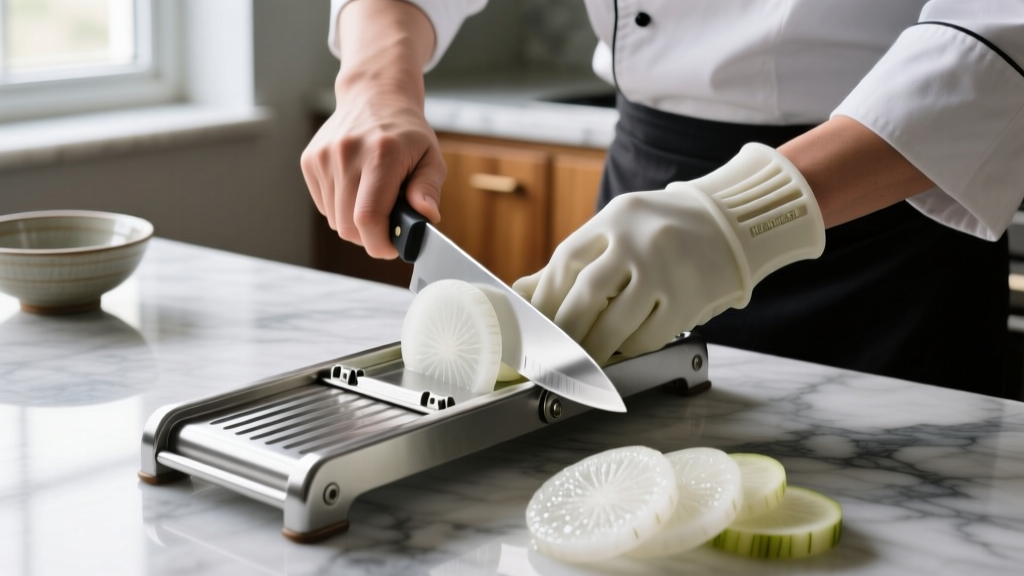
European mandolines (like the iconic Bron Coucke) feature a heavy stainless steel chassis, a straight blade, and a complex V-slice or julienne insert system. They are incredibly durable but require significant downward force, which increases the risk of slipping.
Japanese mandolines, conversely, feature an angled blade set into a lightweight, high-density ABS plastic or wooden body. The angled blade acts like a guillotine, allowing the user to slice through dense root vegetables with a fraction of the downward pressure. According to Wirecutter's comprehensive mandoline testing, the Japanese design consistently yields more uniform slices with less physical effort.
Top Mandoline Gifts
- Benriner No. 64 Japanese Mandoline ($85): The professional's choice. It comes with three interchangeable blades (3mm, 6mm, and 9mm) for julienne and matchstick cuts. Gifting caveat: The standard hand guard is notoriously inadequate. To make this a truly thoughtful gift, pair it with a pair of ANSI Level A5 cut-resistant gloves ($15). This combination guarantees safety while preserving the tactile control chefs prefer over bulky plastic pushers.
- Dash Safe Slice Mandoline ($40): The ultimate gift for the cautious cook. The blade is completely encased in a spring-loaded housing, meaning fingers never come within two inches of the cutting edge. The slicing thickness is adjusted via a simple dial on the side, eliminating the need to swap out dangerous loose blades.
Blade Maintenance: The Gift That Keeps on Cutting
A premium prep tool is only as good as its edge. Include a brief maintenance guide with your gift to ensure longevity.
- Cleaning: Use a stiff nylon brush (like a nail brush) to clean microplane teeth and peeler blades. Sponges will be shredded by photo-etched graters.
- Drying: Towel dry immediately. Air drying promotes flash-rust on high-carbon blades.
- Storage: Never toss loose peelers or graters into a utensil drawer. The impact against other metal tools will micro-chip the blades. Always use the included snap-on blade covers or store them in dedicated leather/canvas blade guards.
- Sharpening: Swivel peeler blades can be lightly honed with a ceramic rod, but Y-peelers and mandoline blades are generally considered consumable. Fortunately, replacement blades for tools like the Benriner and Kuhn Rikon are inexpensive ($8-$15) and easily swapped.
Frequently Asked Questions for Gift Buyers
Can I gift a carbon steel peeler to someone who uses the dishwasher?
No. Carbon steel will oxidize and rust within hours in a dishwasher environment. If you know the recipient relies on the dishwasher, strictly purchase tools with 420-grade stainless steel blades or ceramic alternatives, and avoid the Kuhn Rikon Original in favor of their stainless-steel variant.
What is the safest mandoline to gift to a beginner?
The Dash Safe Slice Mandoline is the safest option for beginners or older cooks with reduced grip strength. Its enclosed blade housing and dial-adjustment mechanism completely remove the user's hands from the cutting zone.
Are expensive box graters worth the investment?
Yes, if they cook frequently. A stamped $10 box grater requires immense physical force to shred hard aged cheeses like Parmigiano-Reggiano, often resulting in torn cheese and scraped knuckles. A $35 etched grater like the Cuisipro slices cleanly, yielding fluffier cheese that melts more evenly and incorporates better into pastas and bakes.
By focusing on blade geometry, metallurgy, and ergonomic design, you can elevate a simple kitchen chore into a culinary joy. These awesome kitchen gadgets prove that the best gifts aren't always the largest—they are the ones that fundamentally improve the daily ritual of cooking.
Written by
Ryan TanakaRyan Tanaka holds a B.S. in Mechanical Engineering from Oregon State University and is a certified AWS Solutions Architect. He has built over 80 custom electronics projects ranging from CNC machines to IoT sensor networks, and has reviewed development boards, 3D printers, soldering equipment, and maker tools for the past 6 years. Ryan is an active contributor to 12 open-source hardware projects on GitHub and teaches monthly workshops at three hackerspaces across the Pacific Northwest. His reviews combine engineering rigor with accessibility — he evaluates products not just on specs but on documentation quality, community support, and learning curve for beginners. He has presented at Maker Faire Bay Area, Open Hardware Summit, and the Adafruit community showcase, and maintains a popular blog documenting his build processes.