Top Kitchen Gadgets Stores for Silicone Bakeware & Nonstick Tools
Discover the best kitchen gadgets stores for premium silicone bakeware and safe non-stick tools. Avoid toxic fillers and flaking pans with our expert guide.
The Hidden Chemistry of Bargain-Bin Kitchenware
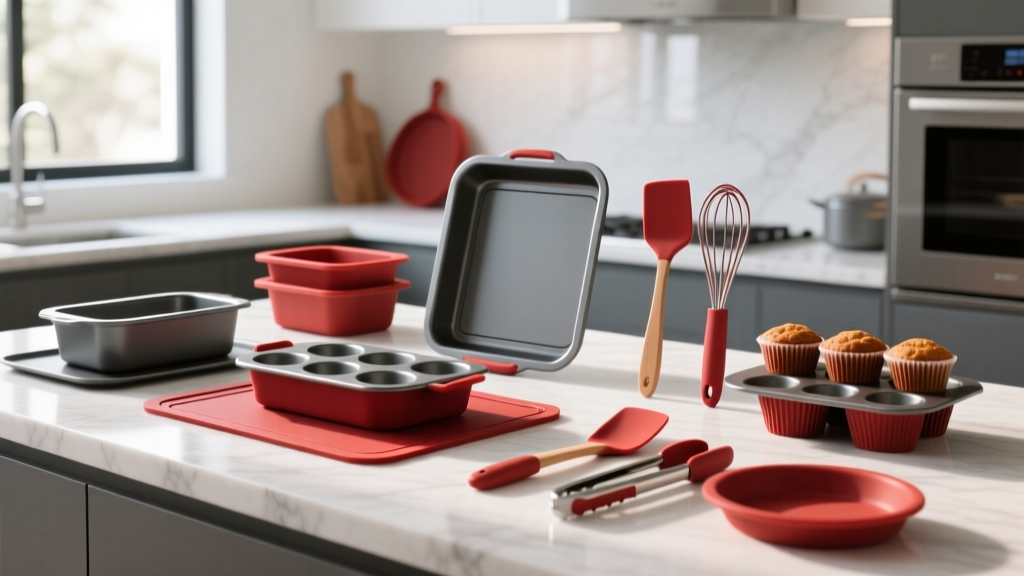
Walk into a random big-box retailer, and you will find aisles of brightly colored silicone spatulas and non-stick pans priced under $15. While the upfront cost is appealing, the long-term reality of these budget items is a cycle of warping, foul odors, and flaking coatings. As of 2026, the market is flooded with peroxide-cured silicone that leaches chemical smells into your baked goods, and cheap PTFE pans that degrade rapidly when exposed to standard stovetop heat. Finding reliable, safe, and durable equipment requires knowing exactly which kitchen gadgets stores vet their inventory for food-grade integrity and thermal stability.
The core issue lies in manufacturing shortcuts. True food-safe silicone is platinum-cured, meaning it uses a platinum catalyst that leaves no toxic byproducts. Budget manufacturers often use peroxide curing, which is cheaper but leaves behind volatile organic compounds (VOCs) that off-gas when heated above 300°F. Similarly, in the non-stick category, the shift away from traditional PFOA has led to a confusing landscape of PTFE and sol-gel ceramic coatings, each with distinct failure modes. To solve this, we have evaluated the top retail destinations to find where professionals and serious home cooks actually buy their gear.
What to Look For: The Platinum and Ceramic Standards
Before selecting a store, you must know what to look for on the shelf. The 'Pinch Test' is the gold standard for evaluating silicone bakeware in physical stores. If you twist or pinch the silicone and see a white streak appearing in the material, it contains silica fillers. Pure platinum silicone will retain its uniform color throughout the stretch. For non-stick tools, you need to decide between multi-ply PTFE (which offers superior slickness but degrades at 500°F/260°C) and sol-gel ceramic (which is PTFE-free but loses its hydrophobic properties after 12 to 18 months of daily use due to microscopic abrasion).
Never use aerosol cooking sprays (like Pam) on ceramic non-stick pans. These sprays contain soy lecithin as an emulsifier. When heated, lecithin polymerizes and bakes onto the ceramic surface, creating a gummy, permanent layer that destroys the pan's non-stick capabilities within weeks. Always use liquid oils applied with a silicone brush.
The Best Kitchen Gadgets Stores for Verified Gear
Not all retailers are created equal. The best kitchen gadgets stores act as curators, filtering out the hazardous fillers and poorly bonded coatings that plague discount sites. Here are the top destinations for sourcing high-quality silicone and non-stick tools in 2026.
1. Sur La Table (Best for Mid-to-High Tier Curation)
Sur La Table remains a powerhouse for physical and online shoppers who want to feel the weight and flexibility of a product before buying. Their exclusive partnerships with brands like Staub and Le Creuset mean you can find heavy-duty, fiberglass-reinforced silicone trivets and spatulas that won't melt or warp. For non-stick, they stock the Zwilling Madura Plus line (typically around $120 for a 10-inch skillet), which features a forged aluminum core and a multi-layer PTFE coating that resists metal utensil scratching far better than stamped aluminum alternatives.
2. Williams Sonoma (Best for Premium Bakeware)
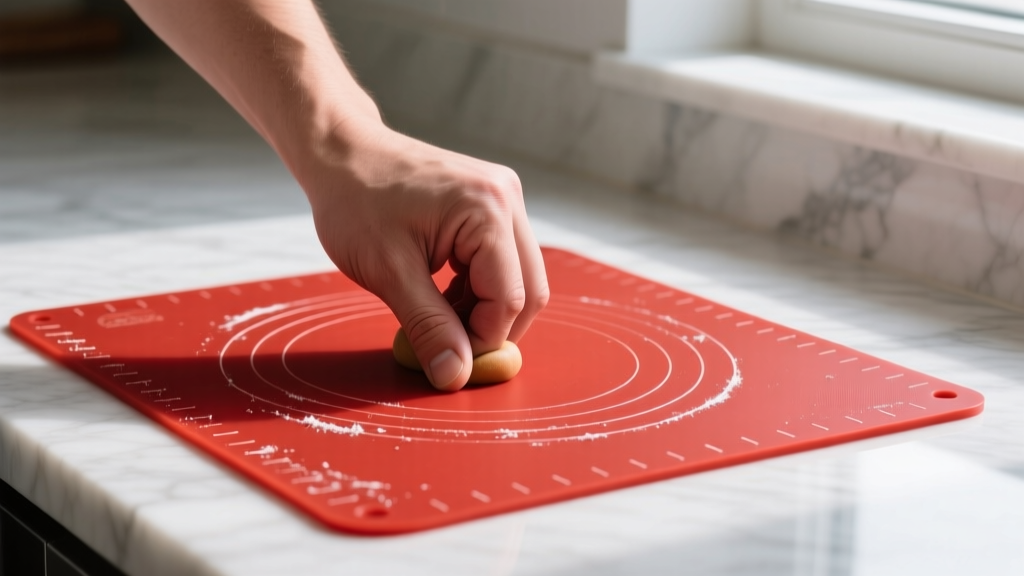
If you are outfitting a serious baking station, Williams Sonoma is the premier destination. They are an authorized retailer for Silpat, the original French fiberglass-reinforced silicone baking mat (retailing around $25 to $30 depending on size). Unlike solid silicone mats that slide around and trap heat unevenly, Silpat's fiberglass core provides structural rigidity and even thermal distribution. They also carry the Goldtouch non-stick bakeware line, which uses a ceramic-reinforced coating that resists warping in high-heat ovens up to 450°F.
3. WebstaurantStore (The Commercial Secret)
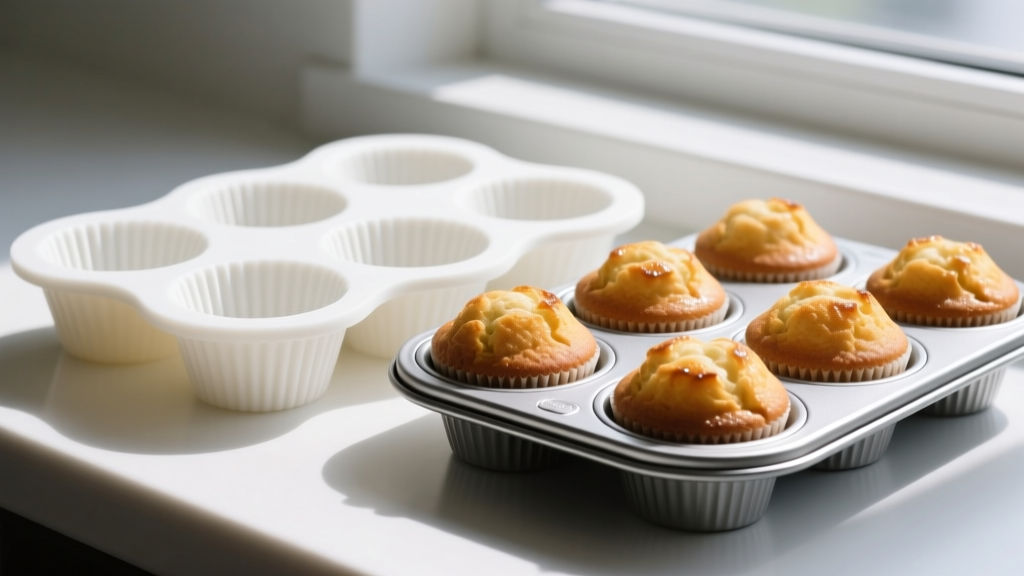
While technically a commercial supplier, WebstaurantStore is an open-secret among home-cooking enthusiasts for bulk, heavy-duty kitchen gadgets. If you need a set of 12 commercial-grade silicone muffin pans that will survive thousands of baking cycles without retaining the smell of last week's garlic bread, their restaurant-grade inventory is unmatched. Look for their NSF-certified silicone molds, which are subjected to rigorous food-safety and thermal-shock testing that consumer-grade products often bypass.
4. Direct-to-Consumer: Caraway & Made In
For those who prefer to bypass traditional retail, specialized online stores like Caraway and Made In offer highly engineered alternatives. Caraway's sol-gel ceramic non-stick pans ($145 for a 10.5-inch skillet) are completely PTFE-free, addressing the concerns of households strictly avoiding fluoropolymers. Made In offers a hybrid approach with their 'Blue Carbon Steel' pans, which naturally develop a non-stick patina over time, completely eliminating the need for synthetic coatings that eventually flake.
Material Comparison Matrix: Silicone & Non-Stick
Use this matrix to decode the labels you encounter while shopping at your favorite kitchen gadgets stores.
| Material Type | Max Temp Threshold | Lifespan & Failure Mode | Best Use Case |
|---|---|---|---|
| Platinum Silicone (Pure) | 480°F (250°C) | 10+ years. Fails only via physical tearing. | Baking mats, spatulas, flexible molds. |
| Peroxide Silicone (Fillers) | 350°F (175°C) | 1-2 years. Fails via odor retention and warping. | Avoid. (Common in dollar stores). |
| Multi-Ply PTFE (Teflon) | 500°F (260°C) | 3-5 years. Fails via scratching and coating flaking. | Eggs, delicate fish, low-to-medium heat sautéing. |
| Sol-Gel Ceramic | 800°F (425°C) | 1-2 years. Fails via loss of hydrophobic slickness. | High-heat searing, PTFE-free households. |
For a deeper understanding of the environmental and health implications of synthetic coatings, refer to the Environmental Protection Agency (EPA) guidelines on PFAS and fluoropolymers. Additionally, the Food and Drug Administration (FDA) maintains strict regulations on Food Contact Substances (FCS), which dictate the allowable limits for silicone and polymer migration into food under thermal stress.
Care Protocols to Double the Lifespan of Your Gear
Even the most expensive non-stick pan or premium silicone mat will fail prematurely if subjected to improper care. Implement these three protocols to protect your investment:
- Thermal Shock Prevention: Never plunge a hot non-stick pan into cold water. The rapid contraction of the aluminum base will cause the metal to warp, creating a convex or concave cooking surface that ruins heat distribution on induction and electric stoves. Let the pan cool to room temperature first.
- Silicone Deodorizing: If your platinum silicone mats or spatulas absorb the smell of roasted garlic or fish, bake them empty in an oven at 350°F for 20 minutes. The heat opens the silicone polymers and releases the trapped volatile oils. Alternatively, soak them in a 50/50 mixture of white vinegar and warm water for an hour.
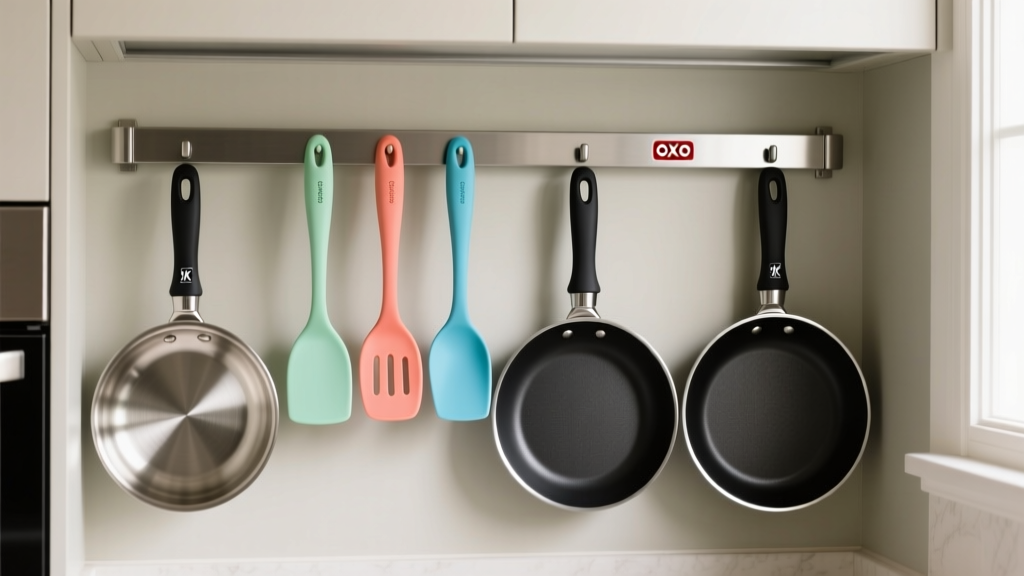
- Utensil Discipline: Despite marketing claims of 'metal utensil safe' non-stick coatings, treat every PTFE or ceramic pan as if it were easily scratched. Use only high-quality, flexible silicone spatulas (like the OXO Good Grips Silicone Spatula, which features a seamless design that prevents bacterial buildup) to turn foods. Metal tongs will eventually micro-scratch the surface, creating anchor points for food to stick.
The Verdict: Invest in Curation Over Convenience
The transition from disposable, toxic kitchenware to enduring, safe tools requires a shift in how you shop. By targeting specialized kitchen gadgets stores that prioritize platinum-cured silicone and multi-ply or advanced ceramic non-stick coatings, you eliminate the frustration of warped muffin tins and flaking skillets. Whether you are picking up a fiberglass-reinforced Silpat at Williams Sonoma or investing in a Zwilling Madura skillet at Sur La Table, verifying the material chemistry before you checkout is the ultimate problem-solving strategy for the modern kitchen.
Written by
Sarah KimSarah Kim holds certifications from both NASM (National Academy of Sports Medicine) and ACE (American Council on Exercise), along with a B.S. in Kinesiology from UCLA. She has spent 7 years bridging the gap between exercise science and consumer technology, evaluating fitness trackers, smart scales, sleep monitors, and recovery devices with clinical precision. Sarah has tested over 200 health-focused wearables in controlled lab settings and real-world training environments, comparing device data against gold-standard medical equipment like ECG monitors and DEXA scans. She consults for three fitness app companies on data accuracy standards and has presented research on wearable reliability at the American College of Sports Medicine (ACSM) annual conference. Her reviews emphasize clinical validity over marketing claims.