Kitchen Sink Gadgets vs BBQ Tools: 2026 Durability Review
We test if everyday kitchen sink gadgets survive the grill. Compare 304 vs 430 stainless steel BBQ tool sets for ultimate outdoor durability.
The False Economy of Repurposing Indoor Tools
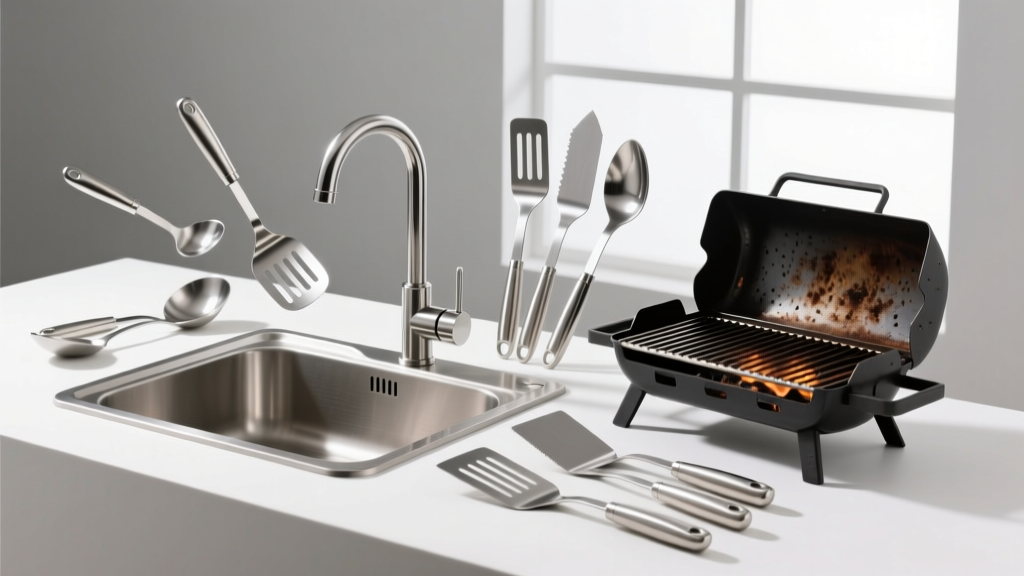
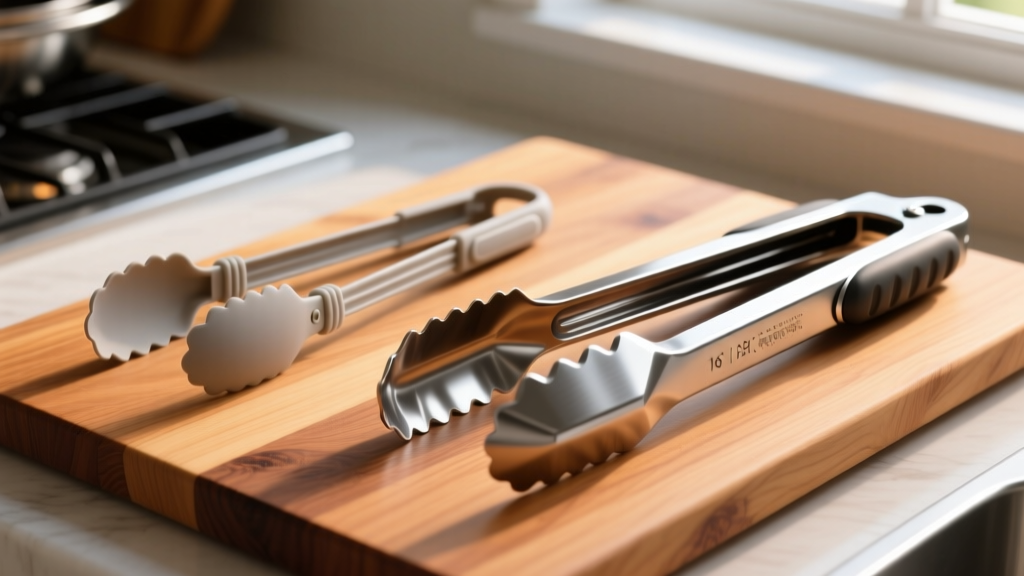
Every summer weekend, a familiar migration occurs: home cooks open their utensil drawers, bypass dedicated outdoor gear, and grab the standard 9-inch tongs and thin metal turners they use for stovetop cooking. These everyday kitchen sink gadgets are designed for controlled, 350°F indoor environments. When subjected to the 600°F radiant heat, lateral torque, and acidic marinades of an outdoor charcoal or gas grill, they fail rapidly. The result is bent shafts, melted silicone grips, and burnt knuckles.
Transitioning from indoor kitchen sink gadgets to purpose-built BBQ and outdoor grilling tool sets is not merely a matter of convenience; it is a requirement for thermal safety and mechanical longevity. In this 2026 durability review, we analyze the metallurgical differences, stress-test the market's leading BBQ tool sets, and identify the exact failure modes that separate a $15 flea-market set from a $70 professional-grade kit.
Metallurgy Matters: 304 vs. 430 Stainless Steel
The most critical differentiator in outdoor grilling tools is the grade of stainless steel. While both 304 and 430 grades contain roughly 17-18% chromium (which provides the passive oxide layer that prevents rust), their nickel content dictates their outdoor survival rate.
| Steel Grade | Composition (Cr/Ni) | Corrosion Resistance | Typical Price Range | Best Use Case |
|---|---|---|---|---|
| 304 (18/8) | 18% Chromium, 8% Nickel | Excellent (Withstands rain, salt, and acid) | $60 - $120+ | Premium sets, coastal environments, frequent use |
| 430 (18/0) | 17% Chromium, 0% Nickel | Moderate (Prone to surface rust if left wet) | $25 - $55 | Budget sets, covered storage, occasional use |
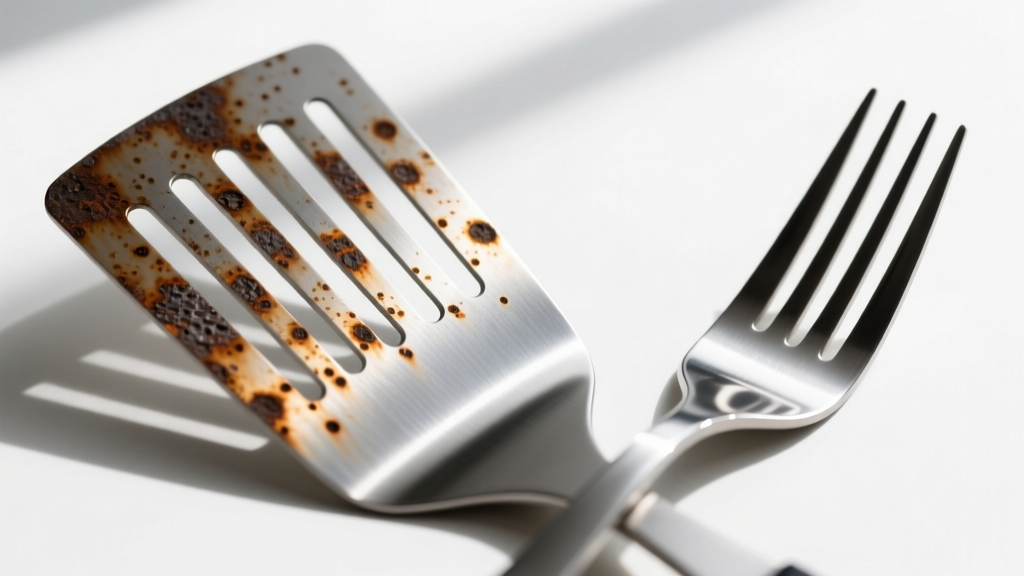
Without nickel, 430 stainless steel lacks the austenitic crystal structure of 304 steel, making it more brittle and susceptible to pitting when exposed to the acetic acid in BBQ sauces or the salt in dry rubs. If your grilling tools will live in a shed exposed to humidity, 304 steel is a non-negotiable requirement.
2026 Durability Stress Test: Top 3 Dedicated BBQ Sets
We evaluated dozens of sets to find the three that offer the best mechanical advantage, material integrity, and thermal resistance. Here is how the top contenders perform when pushed beyond their limits.
1. Weber 6630 Premium 3-Piece Tool Set (The Rivet Benchmark)
- Price: ~$55
- Material: 430 Stainless Steel, ABS Plastic Handles
- Length: 16 inches
The Weber 6630 remains the industry standard for mid-tier durability. While it utilizes 430 stainless steel, Weber compensates with exceptional structural engineering. The tongs feature a triple-rivet pivot point, virtually eliminating the lateral wobble that plagues cheaper sets. The locking mechanism is integrated into the handle rather than relying on a flimsy external ring, preventing the common failure mode of accidental deployment in the drawer. The primary trade-off is the 430 steel; if left on the patio table overnight in the dew, micro-rust spots will appear on the spatula head within 48 hours.
2. OXO Good Grips Stainless Steel Grilling Set (The Ergonomic Pick)
- Price: ~$70
- Material: 304 Stainless Steel Heads, Santoprene Handles
- Length: 16.5 inches
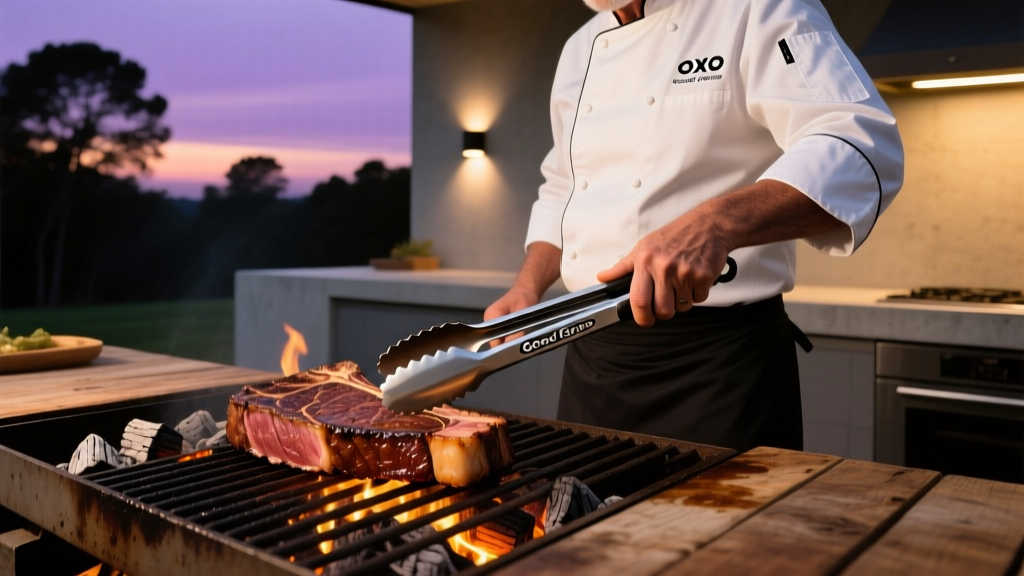
OXO solves the corrosion issue by utilizing 304-grade stainless steel for the business ends of their tools. The spatula head is thick (1.5mm gauge) and resists bending when sliding under a heavy, bone-in ribeye. The Santoprene handles provide superior grip when hands are greasy. However, Santoprene is an elastomer that begins to degrade and blister at sustained temperatures above 400°F. If you habitually rest the tool handles on the hot metal side-shelf of a gas grill, the rubber will delaminate within a single season.
3. Alpha Grillers 4-Piece Heavy Duty Set (The Budget Wood Option)
- Price: ~$40
- Material: 430 Stainless Steel, Rosewood Handles
- Length: 16 inches
For those who despise the feel of plastic or rubber near an open flame, the Alpha Grillers set uses solid rosewood handles. Wood is a natural thermal insulator and will never melt. The mechanical weakness here lies in the tong pivot: it uses a single, smooth rivet. Under the heavy load of flipping a 5-pound pork shoulder, the single rivet experiences high shear stress, eventually leading to a loose, scissor-like wobble after 12 to 18 months of heavy use.
According to the USDA Food Safety and Inspection Service, using the same tongs or platter for raw and cooked meats is a primary vector for foodborne illness. Dedicated, color-coded, or distinctly shaped outdoor BBQ tools prevent the accidental use of raw-meat utensils on finished food. Never rely on a quick rinse with the garden hose to sanitize kitchen sink gadgets used on raw poultry.
Common Failure Modes in Outdoor Grilling Tools
When analyzing warranty returns and long-term user reports, three specific mechanical failures dominate the lifespan of grilling tools:
- Spring Fatigue in Tongs: The leaf spring or coiled spring at the top of locking tongs loses its temper (hardness) when repeatedly exposed to radiant heat exceeding 500°F. This results in tongs that fail to snap shut with enough force to grip a slick sausage casing.
- Handle Delamination: Tools with hollow metal shafts filled with plastic or rubber inserts expand at different rates when heated. The thermal expansion coefficient mismatch causes the handle to split or slide off the metal tang.
- Spatula Neck Bending: The transition point where the spatula handle meets the wide blade is a stress concentrator. Budget tools use thin, stamped metal here. When lifting a heavy brisket, the neck yields, bending the spatula into a useless hook.
Maintenance Protocols for Maximum Lifespan
Even premium 304 stainless steel requires basic maintenance to survive decades of outdoor use. Implement this three-step protocol after every grilling session:
- Neutralize Acids: If your tools touched tomato-based sauces or vinegar-heavy mops, wash them with warm water and a mild alkaline dish soap immediately. Allowing acidic residues to dry on the steel breaks down the passive chromium oxide layer.
- Dry and Store Indoors: Never store tools in an outdoor grill cart drawer. The ambient humidity and trapped heat create a microclimate that accelerates oxidation. Towel dry and store in a climate-controlled kitchen or garage.
- Lubricate Pivot Points: Once a month, apply a single drop of food-grade mineral oil to the tong pivot rivet and the hinge of your grill brush. This prevents carbonized grease from seizing the moving parts.
Frequently Asked Questions
Can I put my BBQ tools in the dishwasher?
Technically, 304 stainless steel tools without wood or rubber handles are dishwasher safe. However, dishwasher detergents are highly alkaline and contain chlorine salts, which can cause micro-pitting on 430 stainless steel. Furthermore, the high-velocity water jets will bang your tools against the rack, dulling the edges of your grill fork and spatula. Hand washing with a non-abrasive sponge is always recommended.
How often should I oil wooden handles on grilling tools?
Wooden handles (like those on the Alpha Grillers set) should be treated with food-grade mineral oil or beeswax conditioner every 3 to 4 months, or whenever the wood begins to look gray and feel dry to the touch. This prevents the wood from absorbing meat juices and cracking under the intense, dry heat of the grill.
Are silicone-tipped BBQ tongs worth the investment?
Silicone-tipped tongs are excellent for protecting the non-stick coatings of ceramic grill griddles or delicate fish baskets. However, standard food-grade silicone begins to degrade and discolor when exposed to direct, open-flame temperatures above 600°F. For traditional grate grilling over charcoal, bare scalloped stainless steel edges provide a vastly superior grip on heavy cuts of meat.
Written by
Marcus WebbMarcus Webb served as a U.S. Army logistics officer for 8 years, where he managed field equipment procurement and tactical gear evaluation across three combat deployments. After honorable discharge, he earned a certification from the Professional Knife Makers Association and became a certified Wilderness First Responder (WFR). Marcus has tested over 500 EDC products in extreme environments — from -40°F in Alaska to 120°F in the Mojave Desert — using military-spec testing protocols. His reviews of multi-tools, tactical flashlights, and survival gear are known for their rigorous methodology: controlled drop tests from 6 feet, 120-minute water submersion at 2 meters, and lateral torque testing at 45 Nm. He is a member of the Blade Show judging panel and contributes to OutdoorGearLab.