Smart Glasses: The Best Eco-Friendly Gadgets for Wine Enthusiasts
Discover how AR smart glasses serve as sustainable gadgets for wine lovers, scanning labels for eco-certs and reducing single-use e-waste.
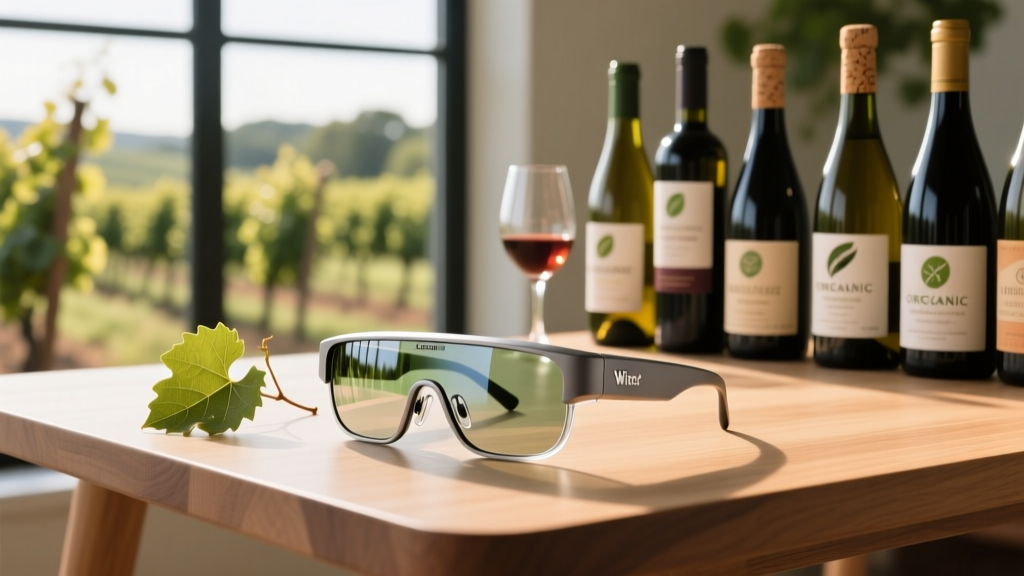
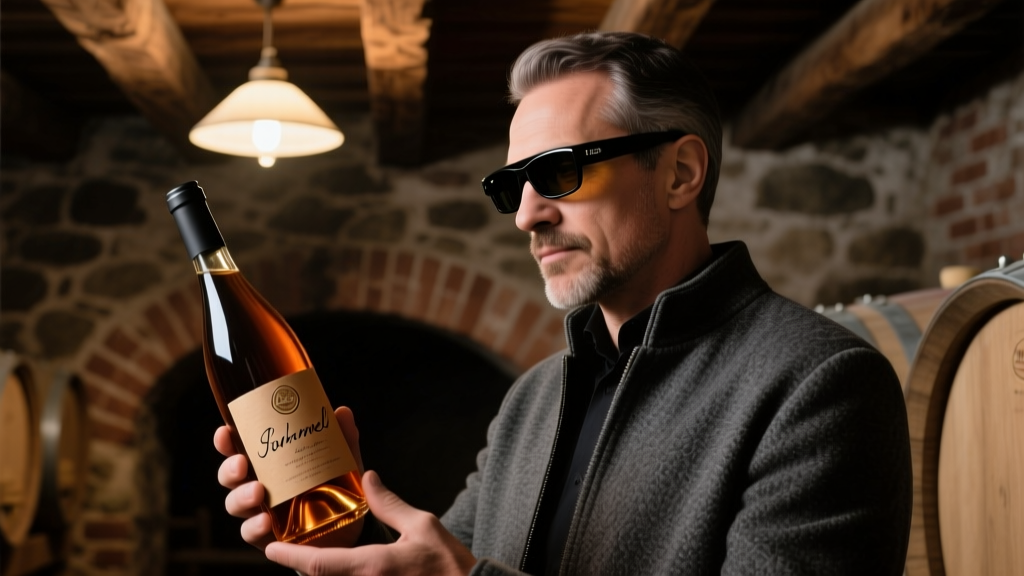
The Hidden E-Waste in Your Wine Cellar
When enthusiasts search for the latest gadgets for wine, the market typically pushes single-purpose plastics: Bluetooth-enabled corkscrews, electric aerators with lithium-ion batteries, and smart decanters that require proprietary charging docks. While functional, these devices contribute heavily to the 50 million tons of global e-waste generated annually. True sustainability in oenophilia requires consolidating tools and prioritizing hardware with a long lifecycle and transparent supply chain.
Enter augmented reality (AR) smart glasses. By leveraging multimodal AI and spatial computing, modern AR wearables have evolved into the ultimate multi-tool for the eco-conscious wine connoisseur. Instead of buying separate gadgets for wine temperature tracking, label scanning, and vineyard mapping, a single pair of AR glasses can interface with sustainability databases, decode biodynamic certifications, and even assist in precision viticulture.
How Multimodal AI Decodes Eco-Certifications
Greenwashing is rampant in the wine industry. Terms like 'natural,' 'eco-friendly,' and 'sustainable' are largely unregulated on front labels. AR smart glasses equipped with onboard multimodal AI—such as the Brilliant Labs Frame—allow users to look at a wine bottle and instantly pull verified backend data.
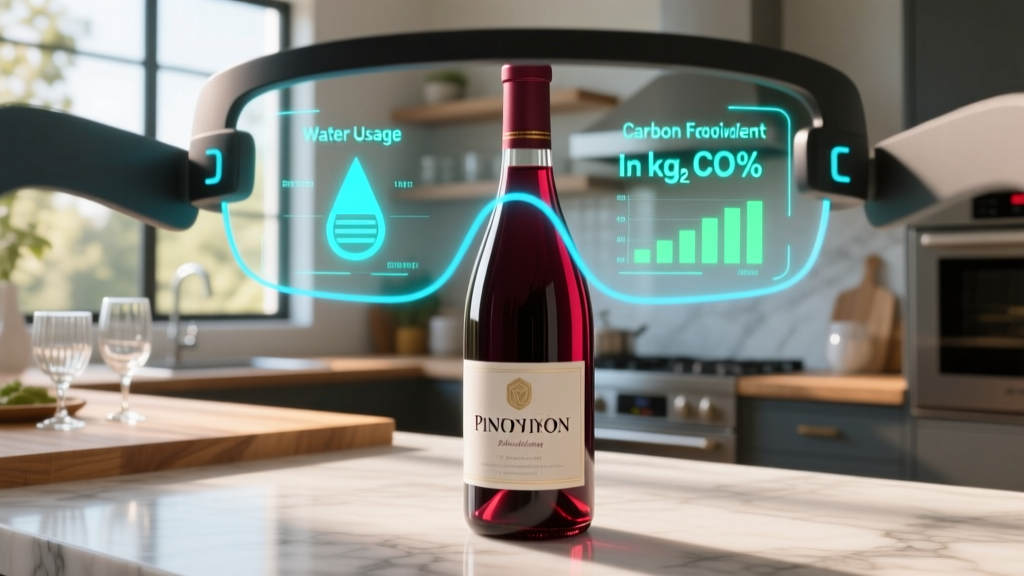
Using open-source vision models, the glasses capture the label's text and visual markers, cross-referencing them in real-time with authoritative bodies like Demeter USA for biodynamic certification or the SIP (Sustainability in Practice) database. The AR micro-display then overlays a carbon footprint score, water usage metrics, and pesticide transparency directly into your field of vision.
Step-by-Step: Scanning for Sustainability
- Visual Capture: Focus on the wine label. The glasses' 12MP camera captures the typography and certification logos.
- Edge Processing: The onboard neural processing unit (NPU) runs OCR (Optical Character Recognition) locally to extract the producer and vintage without sending data to the cloud, preserving privacy and reducing server-side energy consumption.
- Database Query: The device pings the Vivino API or specialized eco-wine databases via a low-energy Bluetooth tether to your smartphone.
- HUD Overlay: A minimalist 128x128 pixel monochrome display projects the verified sustainability score (e.g., 'B-Corp Certified, 0.8kg CO2/bottle') above the physical bottle.
Hardware Comparison: Top AR Wearables for Oenophiles
Not all smart glasses are built for the same environment. A sommelier working in a dimly lit cellar requires different display technology than a vineyard manager inspecting crops in direct sunlight. Below is a technical matrix of the top AR wearables functioning as sustainable gadgets for wine professionals and enthusiasts in 2026.
| Model | Price (2026) | Display Tech | Battery Life | Eco-Wine Use Case | Frame Material |
|---|---|---|---|---|---|
| Brilliant Labs Frame | $349 | 128x128 OLED (Monochrome) | 10 Hours | Label scanning, AI sommelier queries | Recycled PET / TR90 |
| XREAL Air 2 Ultra | $699 | Micro-OLED (1080p per eye) | 4 Hours | Spatial mapping for cellar management | Aerospace Aluminum |
| Vuzix Z100 | $999 | DLP Waveguide (Full Color) | 8 Hours | Outdoor vineyard IoT overlay | Magnesium Alloy |
Professional Viticulture: AR Beyond the Bottle
The sustainability impact of wine is determined long before the bottle is sealed; roughly 68% of a wine's carbon footprint originates in the vineyard and production facility, according to UN FAO agricultural water reports. For prosumers and vineyard managers, AR glasses serve as critical precision agriculture tools.
'By integrating AR wearables with our soil moisture IoT sensors, we've reduced our irrigation water usage by 22% over two harvest seasons. The glasses allow our team to look at a specific vine block and instantly see the subterranean hydration levels overlaid on the physical plants, eliminating the guesswork that leads to water waste.' — Director of Viticulture, Sonoma Coast Biodynamic Estate
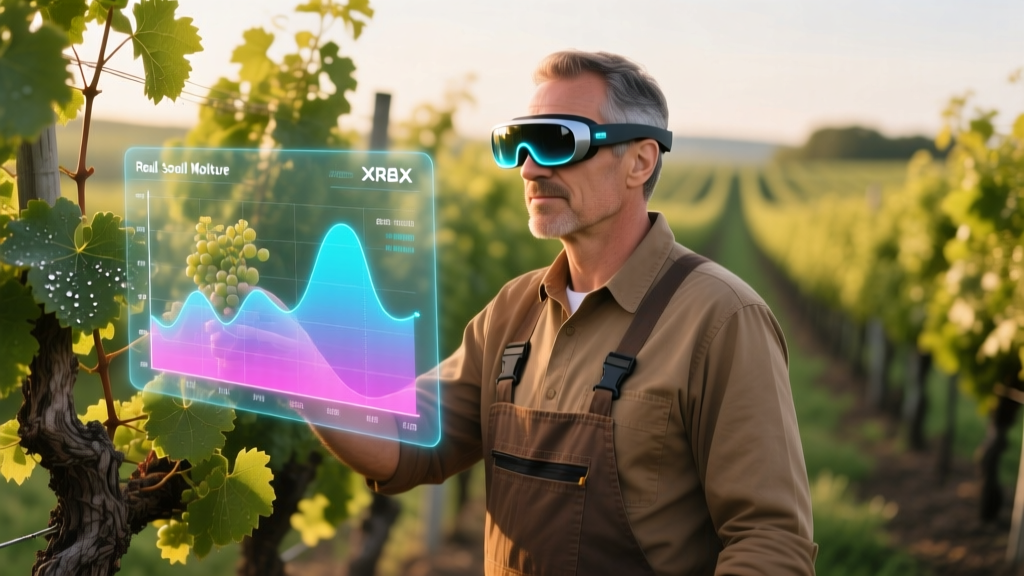
Devices like the Vuzix Z100 utilize full-color DLP waveguides that remain visible in direct sunlight. When paired with drone-mapped multispectral imaging, the glasses highlight areas of vine stress, pest infestations, or fungal outbreaks (like powdery mildew) in real-time. This targeted intervention drastically reduces the need for broad-spectrum organic sprays, preserving local biodiversity and soil microbiome health.
Purchasing Framework: Matching AR Specs to Wine Goals
Selecting the right AR wearable depends entirely on your specific interaction with sustainable wine. Use this decision framework to avoid overbuying hardware.
- The Conscious Consumer (Label Scanning & Pairing): Choose the Brilliant Labs Frame. Its open-source Python SDK allows you to write custom scripts that query the Wine-Searcher API for organic certifications. The monochrome OLED is low-power, and the recycled PET frame aligns with zero-waste purchasing ethics.
- The Cellar Manager (Inventory & Climate Mapping): Choose the XREAL Air 2 Ultra. The 6DoF (Six Degrees of Freedom) spatial tracking allows you to map your physical cellar. You can anchor digital tags to specific racks, tracking the provenance and optimal drinking windows of your natural wines without printing physical bin cards.
- The Grower / Viticulturist (Crop Monitoring): Choose the Vuzix Z100. You need high-nit brightness (up to 3,000 nits) to compete with outdoor sunlight, and enterprise-grade compatibility with John Deere or Trimble agricultural data suites to monitor cover crop health and soil carbon sequestration metrics.
Frequently Asked Questions
Can AR glasses read wine labels in dim restaurant lighting?
Yes, but with caveats. Monochrome OLEDs (like on the Brilliant Frame) do not emit enough light to illuminate the label itself. However, their low-light camera sensors can capture text in environments as dim as 50 lux. For ultra-dark cellars, you may need to rely on your smartphone's flashlight to assist the glasses' optical sensor.
Do these devices require a constant internet connection to verify eco-certifications?
Most AR glasses cache local databases. You can download the Demeter and Biodyvin certification registries (typically under 50MB) to your tethered smartphone. The glasses will perform local OCR and match against the cached database, only requiring a network connection if the wine is a newly released vintage not yet in your local dataset.
How do I clean the glasses after a wine tasting spill?
AR waveguides and micro-OLED lenses are highly sensitive to solvents. Never use alcohol-based cleaners, which can strip the anti-reflective and hydrophobic coatings. Use a microfiber cloth lightly dampened with distilled water and a drop of lens-specific surfactant. Ensure the magnetic charging contacts are completely dry before placing them in their case to prevent lithium battery corrosion.
Written by
Jake MorrisonJake Morrison holds a B.S. in Electrical Engineering from UC Berkeley and an MBA from Stanford Graduate School of Business. With over 12 years of hands-on experience in consumer electronics, he previously served as a senior product engineer at a Silicon Valley startup before transitioning to tech journalism. Jake has personally tested and benchmarked over 3,000 gadgets across categories including smartphones, wearables, smart home devices, and audio equipment. His durability testing methodology — involving controlled drop tests, thermal cycling, and water submersion — is widely cited by major tech publications. He is a certified CompTIA A+ technician and a contributing editor to the IEEE Consumer Electronics Magazine.