Compact Sound Masking Tech: Beyond The Gadget Gizmo Watch
Discover the best ultra-compact white noise and sound masking devices for 2026. Compare micro-acoustics, wearable tech, and travel-friendly footprints.
The Shift to Micro-Acoustics: Why Size Matters in 2026
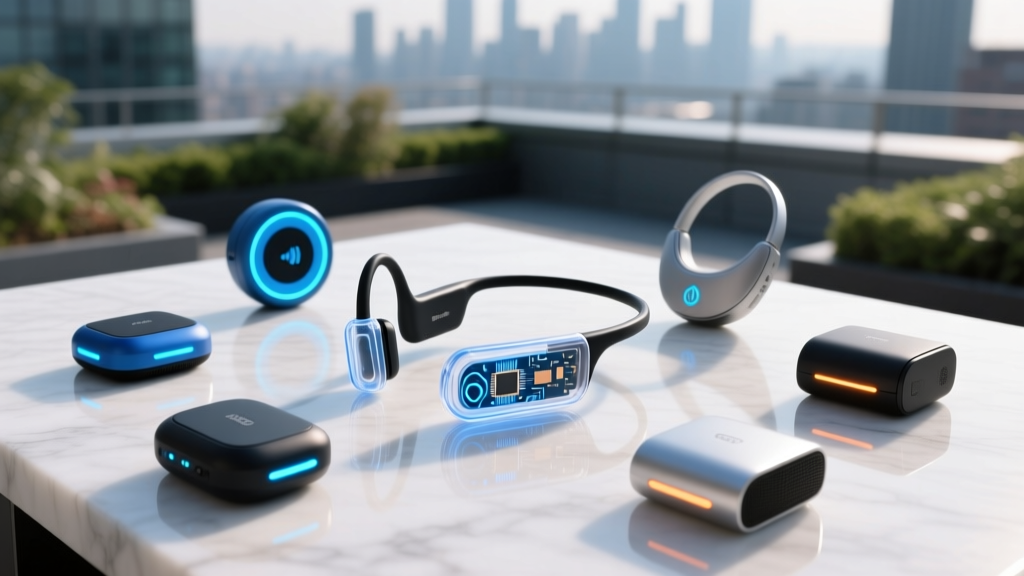
In the early 2010s, tech enthusiasts were obsessed with the 'Swiss Army' approach to wearables—cramming a barometer, compass, and mediocre speaker into what we jokingly called a gadget gizmo watch. Today, the 2026 audiophile and biohacker prefers hyper-specialized, micro-footprint devices. When it comes to acoustic privacy, deep sleep, and open-office sanity, dedicated compact sound maskers have entirely replaced the do-it-all approach.
The modern tech landscape has pivoted away from bulky, 8-inch desktop white noise machines that consume valuable real estate. Instead, we are seeing a surge in 'micro-acoustics'—devices that leverage advanced Digital Signal Processing (DSP) and passive radiator enclosures to deliver room-filling, frequency-rich sound masking from a chassis no larger than a hockey puck. Whether you are a digital nomad working from a crowded airport lounge or a light sleeper sharing a bed with a snoring partner, space-saving acoustic tech is no longer a luxury; it is a biological necessity.
The Physics of Pocket-Sized Sound Masking
Before diving into the hardware, it is critical to address a common misconception in the audio space: the difference between Active Noise Cancellation (ANC) and Acoustic Sound Masking. ANC relies on phase-inversion—microphones listen to incoming ambient noise, and a processor generates an exact anti-phase sound wave to cancel it out. This requires significant computational power and battery drain, which is why true ANC is mostly reserved for over-ear headphones and premium earbuds.
Sound masking, on the other hand, does not 'cancel' noise; it raises the ambient acoustic threshold. By introducing a consistent, broadband frequency spectrum (like white, pink, or brown noise), the device masks the sudden spikes in decibels that trigger your brain's startle response. According to the Acoustical Society of America, effective sound masking requires a carefully tuned frequency curve that mimics the ambient hum of airflow, effectively rendering sudden conversations or door slams imperceptible to the human ear.
The 2026 Engineering Breakthrough: Generating low-frequency 'brown noise' (which drops 6dB per octave and requires significant air displacement) from a 1.5-inch driver was physically impossible a decade ago. Today, engineers use psychoacoustic bass extension algorithms and dual-passive micro-radiators to trick the human brain into perceiving deep, rumbling low-end frequencies without requiring massive speaker cones.
Top-Tier Compact Sound Masking Devices (2026 Lineup)
1. Ozlo Sleepbuds (The Wearable Standard)
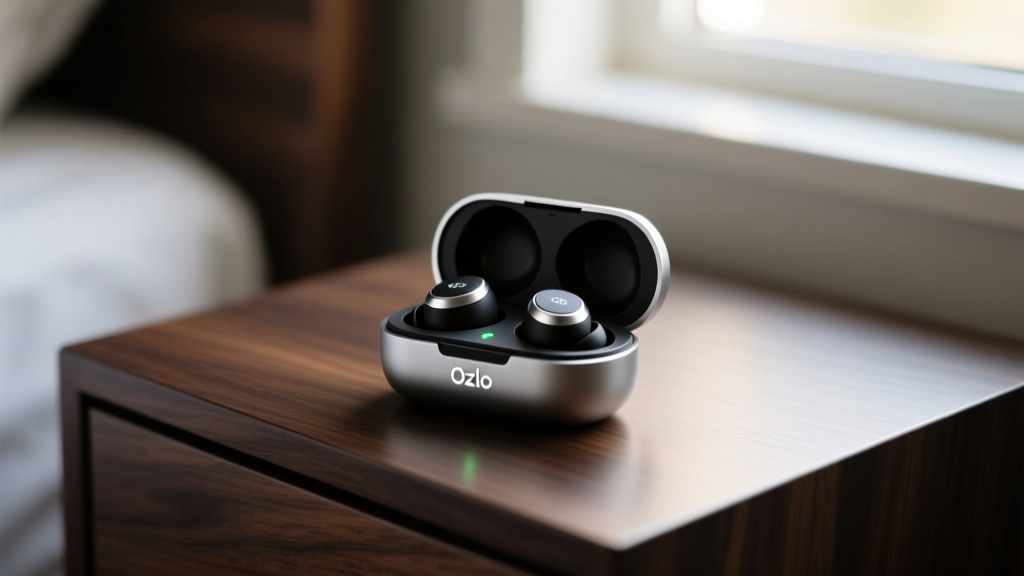
Born from the ashes of Bose's discontinued sleep line, the Ozlo Sleepbuds represent the pinnacle of wearable, space-saving sound masking. Weighing just 4.2 grams per bud, they feature a completely flush, 1.2cm profile that allows side-sleepers to rest directly on a pillow without pressure points. Unlike standard ANC earbuds that create a 'cabin pressure' vacuum effect, the Ozlo buds utilize a proprietary venting system to equalize ear canal pressure while delivering biologically tuned masking sounds directly to the tympanic membrane. Priced at $399, they offer 10 hours of continuous playback, making them the ultimate zero-footprint solution for the bedroom.
2. LectroFan Micro2 (The Travel Pod)
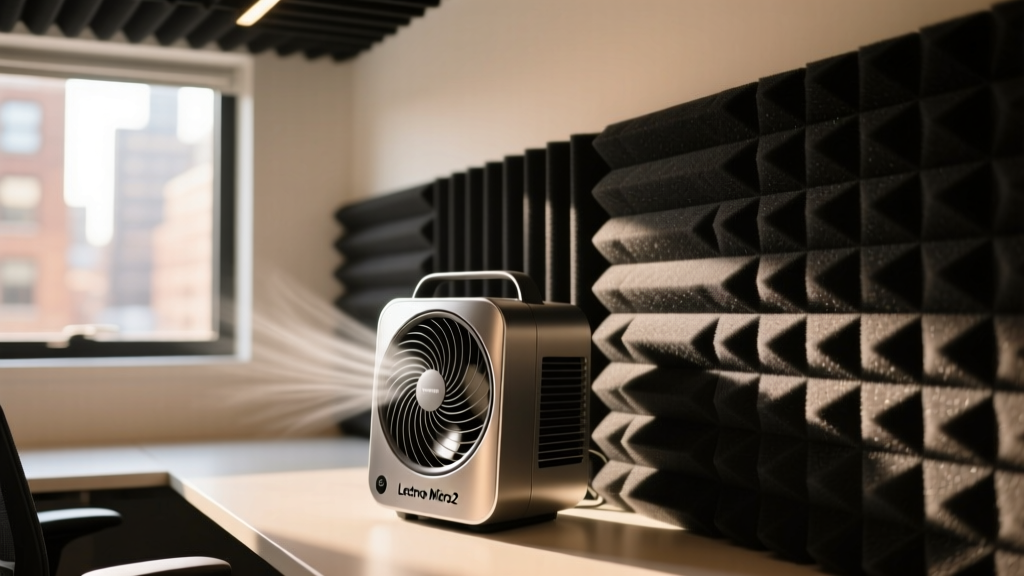
For those who need desk or nightstand masking without sacrificing luggage space, the LectroFan Micro2 remains an undisputed champion. Measuring exactly 2.5 x 2.5 x 2.2 inches, this spherical pod utilizes non-looping digital audio generation. Traditional white noise machines use a 10-second audio loop that the brain eventually recognizes, causing micro-arousals during REM sleep. The Micro2's DSP generates algorithmic, non-repeating soundscapes in real-time. It features a built-in 16-hour lithium-ion battery and an adjustable acoustic vent that allows you to physically alter the bass response by twisting the top hemisphere. At $34.99, it is an essential EDC (Everyday Carry) item.
3. Yogasleep Rohm Go (The Clip-On Minimalist)
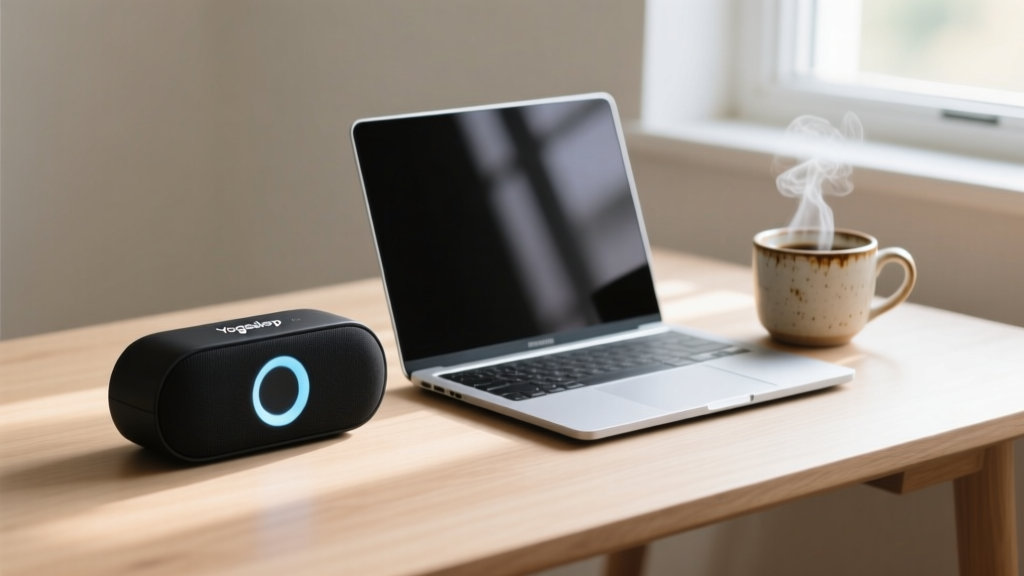
Yogasleep (formerly Marpac) invented the mechanical white noise machine in 1962, but their 2026 Rohm Go is a masterclass in modern miniaturization. At just 2.2 inches in diameter and featuring an integrated silicone carabiner, it clips directly to laptop bags, stroller handles, or tent loops. It relies on a hybrid acoustic chamber that emulates the chaotic, organic broadband frequencies of a physical fan blade, rather than synthetic static. Priced at $24.99, it offers three distinct acoustic profiles (Bright White, Deep Brown, and Gentle Surf) and pushes an impressive 65dB at one meter—enough to mask a busy coffee shop environment.
Technical Comparison Matrix: Footprint vs. Acoustic Output
| Device Model | Dimensions (Inches) | Weight | Battery Life | Max Output (1m) | Masking Type | Retail Price |
|---|---|---|---|---|---|---|
| Ozlo Sleepbuds | 1.2 x 0.9 x 0.8 (per bud) | 4.2g | 10 Hours | In-Ear Canal | Pink/Brown/Binaural | $399.00 |
| LectroFan Micro2 | 2.5 x 2.5 x 2.2 | 4.1 oz | 16 Hours | 72 dB | Algorithmic Non-Looping | $34.99 |
| Yogasleep Rohm Go | 2.2 x 2.2 x 1.5 | 2.8 oz | 12 Hours | 65 dB | Fan Emulation / Surf | $24.99 |
Decision Framework: Which Form Factor Fits Your Life?
Choosing the right compact sound masker requires analyzing your specific acoustic environment and spatial constraints. Use this framework to make your decision:
- The Shared-Space Sleeper: If you share a bed with a partner who has different auditory preferences (or needs silence), desktop machines will cause friction. Solution: Wearable in-ear maskers like the Ozlo Sleepbuds. They provide a localized acoustic bubble with zero spatial footprint.
- The Open-Office / Co-Working Professional: If you work in a shared space where wearing headphones all day causes fatigue, you need localized directional masking. Solution: The LectroFan Micro2 placed 18 inches from your keyboard. The inverse-square law of sound means the 72dB output will effectively mask keyboard clatter and distant chatter for you, without bleeding over and annoying the coworker sitting four feet away.
- The Frequent Flyer & Parent: Airplane cabins and hotel rooms feature unpredictable low-frequency rumbles (HVAC systems, jet engines). Solution: The Yogasleep Rohm Go. The clip-on design allows you to hang it directly on the hotel bed frame or airplane seatback tray, positioning the acoustic driver closer to the ear to maximize masking efficiency without turning the volume up to distorting levels.
The Neurological Impact of Compact Masking
Why go through the trouble of optimizing your acoustic environment? The science is definitive. A comprehensive study published by the National Institutes of Health (NIH) demonstrated that continuous broadband sound masking significantly reduces sleep onset latency (the time it takes to fall asleep) and decreases the frequency of nocturnal awakenings caused by environmental noise spikes. Furthermore, the Sleep Foundation notes that consistent acoustic masking helps establish a Pavlovian sleep cue, signaling the brain's suprachiasmatic nucleus that it is time to initiate melatonin production.
By shrinking these devices down to pocket-sized proportions, manufacturers have removed the friction of use. You are far more likely to utilize a sound masking device if it lives permanently in your travel bag or rests comfortably in your ear, rather than requiring you to clear space on a crowded nightstand for a monolithic plastic tower.
Frequently Asked Questions
Can I use standard wireless earbuds for white noise instead of dedicated sleepbuds?
While you can stream white noise through standard ANC earbuds (like the AirPods Pro 3), they are not recommended for sleep. Standard earbuds protrude from the concha of the ear, creating severe pressure points when lying on a pillow. Furthermore, standard ANC creates a pneumatic seal that can lead to ear canal moisture buildup and otitis externa (swimmer's ear) if worn for 8 hours. Dedicated sleepbuds use flush profiles and moisture-wicking hydrogel tips.
Does brown noise consume more battery than white noise on portable devices?
Yes, marginally. Generating the deep, low-frequency sine waves required for authentic brown noise demands more physical excursion from the micro-drivers and higher voltage from the internal amplifier. Expect a 10% to 15% reduction in total battery life when running continuous deep brown noise compared to high-frequency white noise on devices like the LectroFan Micro2.
What is the ideal decibel level for sleep masking?
Audiologists recommend keeping continuous sleep masking between 45 dB and 55 dB at the ear drum. This is roughly the volume of a quiet refrigerator hum or a gentle rainfall. Pushing portable devices to their maximum 70+ dB output for 8 hours can lead to noise-induced hearing fatigue over time. Use the device's volume limiter settings if available.
Written by
Sarah KimSarah Kim holds certifications from both NASM (National Academy of Sports Medicine) and ACE (American Council on Exercise), along with a B.S. in Kinesiology from UCLA. She has spent 7 years bridging the gap between exercise science and consumer technology, evaluating fitness trackers, smart scales, sleep monitors, and recovery devices with clinical precision. Sarah has tested over 200 health-focused wearables in controlled lab settings and real-world training environments, comparing device data against gold-standard medical equipment like ECG monitors and DEXA scans. She consults for three fitness app companies on data accuracy standards and has presented research on wearable reliability at the American College of Sports Medicine (ACSM) annual conference. Her reviews emphasize clinical validity over marketing claims.