Cool Gadgets to Buy: Top Outdoor AR Glasses for 2026
Discover the coolest gadgets to buy for outdoor adventures in 2026. We review top AR smart glasses for hiking, cycling, and navigation.
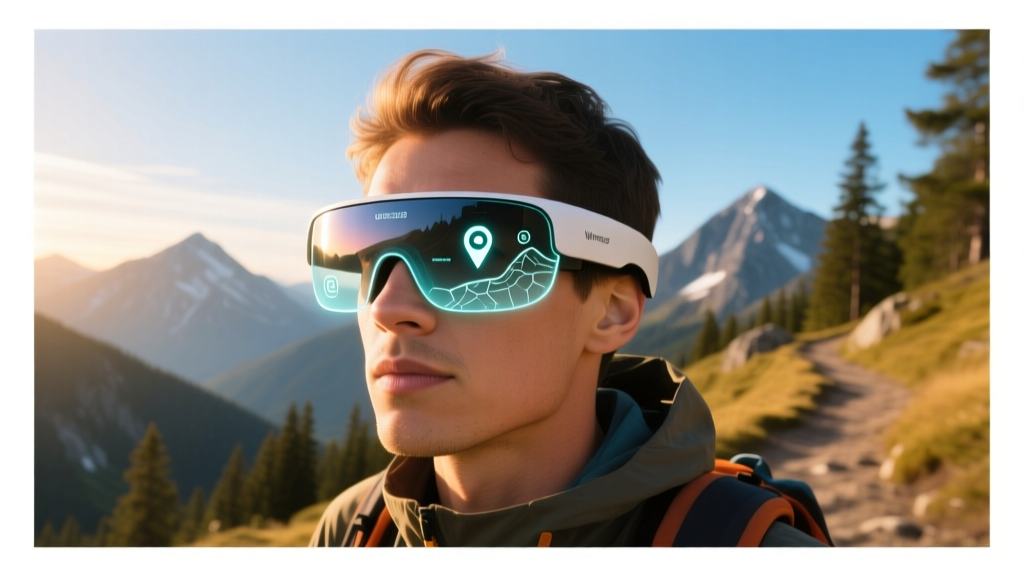
The Shift from Screen to Sight in Outdoor Tech
Navigating backcountry trails or tracking telemetry on a descent requires keeping your eyes on the environment, not a glowing screen. If you are compiling a list of cool gadgets to buy for your next seasonal adventure, augmented reality (AR) smart glasses have moved from novelty to essential outdoor gear. The latest generation of wearables solves the historical compromise between digital data and physical awareness, utilizing advanced optical engines that remain legible even under direct alpine sunlight.
Unlike indoor spatial computing headsets, outdoor AR glasses prioritize lightweight ergonomics, extreme brightness (measured in nits), and environmental sealing. According to PCMag's comprehensive smart glasses guide, the market has bifurcated into two distinct categories: monocular telemetry displays for high-speed endurance sports, and binocular AI-assisted glasses for backcountry navigation and foraging. Choosing the wrong form factor can lead to dangerous distractions or useless hardware in the field.
Decision Matrix: Matching AR Wearables to Your Sport
Before evaluating specific models, map your primary outdoor activity to the required hardware specifications. Wind noise, ambient lux, and weight distribution dictate which device survives a weekend in the wild.
| Primary Activity | Recommended Form Factor | Critical Metric | Min. IP Rating | Est. Price (2026) |
|---|---|---|---|---|
| Road / Gravel Cycling | Monocular (Bottom-right HUD) | 1000+ Nits Brightness | IPX4 (Sweat/Rain) | $350 - $450 |
| Backcountry Hiking | Binocular (Waveguide AR) | 30°+ Field of View (FOV) | IP54 (Dust/Splash) | $600 - $850 |
| Casual Trails / Climbing | Audio-AI Smart Glasses | Directional Audio / Camera | IPX2 (Light Sweat) | $250 - $350 |
| Skiing / Snowboarding | Integrated Goggle AR | High Contrast / Anti-fog | IP67 (Full Moisture) | $500 - $700 |
Top Outdoor AR Glasses Reviewed
ActiveLook EVAD-3 (Endurance & Cycling)
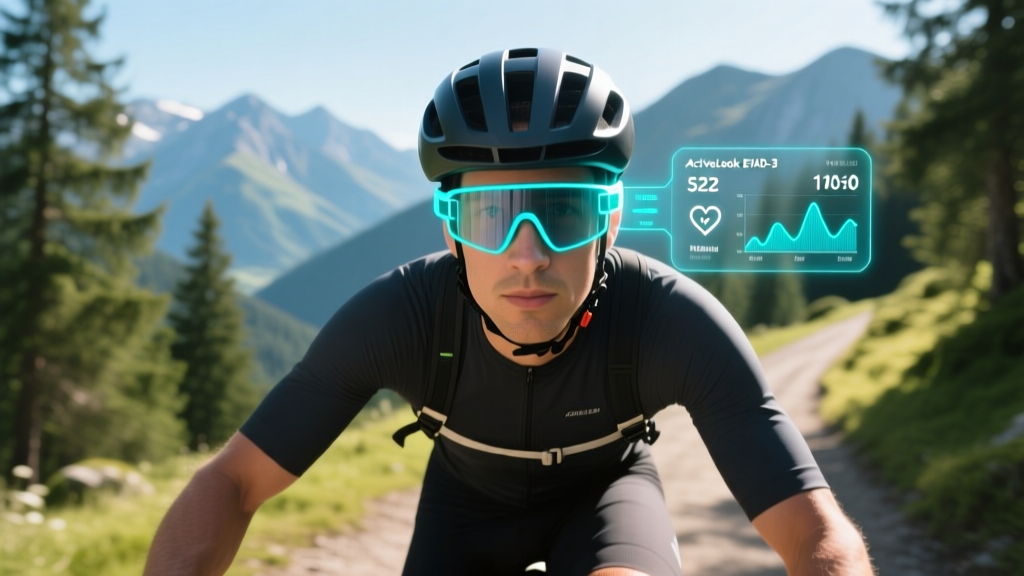
Developed by Microoled and integrated by Julbo, the ActiveLook EVAD-3 remains the gold standard for cyclists and runners. It projects a monochromatic, low-resolution telemetry display directly into your lower right peripheral vision. The optical engine produces up to 1,000 nits of brightness, which is the absolute minimum threshold for readability against bright snow or direct midday sun. Weighing just 30 grams, it integrates seamlessly with ANT+ and Bluetooth sensors to display heart rate, power output, and turn-by-turn navigation. The primary limitation is its lack of spatial mapping; it is a pure data-overlay device, not a true 3D AR environment.
INMO Air2 (Backcountry Navigation)
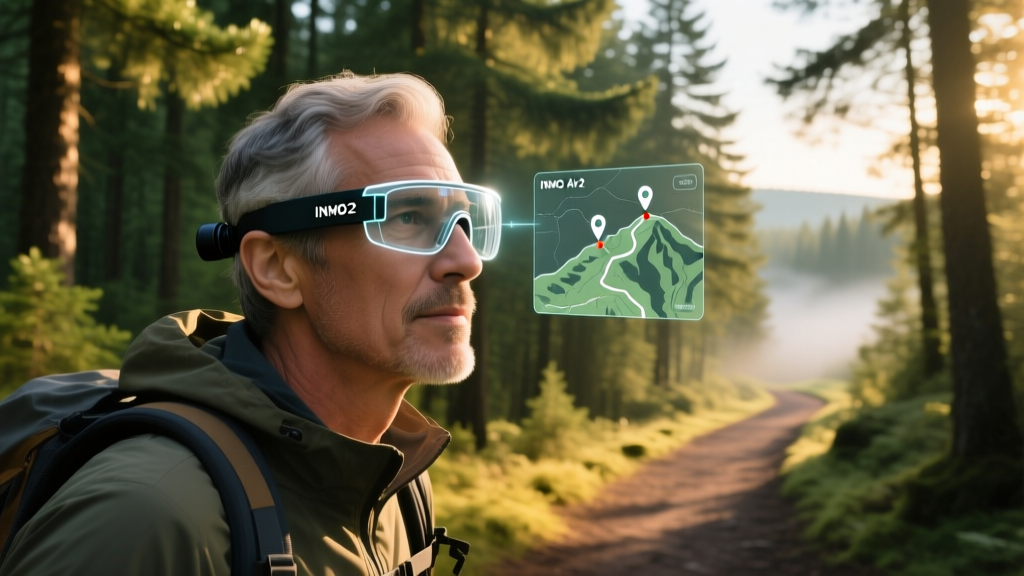
For hikers and mountaineers who need spatial waypoints, the INMO Air2 utilizes a binocular MicroOLED and waveguide combination to deliver a 30-degree field of view. Unlike the monochromatic ActiveLook, the Air2 provides full-color overlays, allowing you to project topographic contour lines and GPS breadcrumbs directly onto the trail ahead. As highlighted in Tom's Guide's AR glasses roundup, the Air2's 37-gram frame is a marvel of engineering, though the external battery pack tethered to the right temple adds slight imbalance during high-impact activities like scrambling. Priced around $799, it is a premium investment for serious navigators who want to keep their heads up while reading complex topo maps.
Ray-Ban Meta Wayfarer (Casual Trails & Capture)
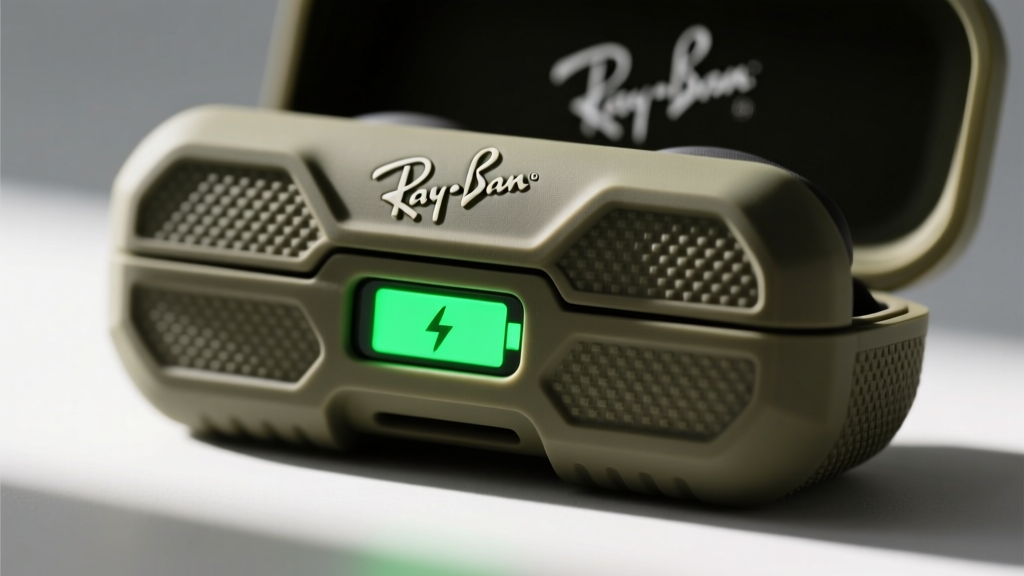
While lacking a visual heads-up display, the Ray-Ban Meta Wayfarer functions as an 'Audio-AR' device that excels in outdoor environments. The 12MP ultrawide camera allows climbers and kayakers to capture first-person perspectives without fumbling for a phone. More importantly, the open-ear directional speakers provide spatial audio cues for navigation and AI-driven environmental identification via the built-in multimodal AI. The Verge's review of the Ray-Ban Meta notes that the open-ear design preserves crucial ambient sound awareness, though wind noise above 15 mph severely degrades audio clarity, making it less ideal for fast cycling.
Real-World Failure Modes: What Breaks in the Wild?
Lab specs rarely translate perfectly to mountain environments. When evaluating these cool gadgets to buy, be aware of the specific failure modes that plague outdoor AR wearables:
Dark-colored smart glass frames absorb significant solar radiation. When ambient temperatures exceed 85°F (29°C) and the device is running GPS and AR rendering simultaneously, the internal SoC will thermal throttle, dimming the MicroOLED projector to prevent battery swelling. Always opt for lighter frame colors (tortoiseshell or matte clear) for summer alpine use.
Many AR glasses rely on magnetic pogo pins for charging. Human sweat is highly corrosive and will oxidize these pins within a single season of heavy use, leading to charging failures. Apply a microscopic layer of dielectric grease to the charging contacts before every major expedition, or strictly use models with sealed USB-C ports.
Battery & Thermal Management in Extreme Weather
Battery chemistry is the Achilles heel of outdoor wearables. The lithium-ion cells used in devices like the INMO Air2 and ActiveLook EVAD-3 suffer from increased internal resistance in cold environments. At 32°F (0°C), expect a 20% to 30% reduction in stated battery life. At 14°F (-10°C), the voltage drop can trigger the device's low-battery safety shutoff, even if the cell is technically at 40% capacity.
Cold Weather Mitigation Strategy:
- Body Heat Routing: Wear your AR glasses' external battery pack (if applicable) inside your base layer, close to your core, routing the cable under your jacket to keep the cell above 50°F (10°C).
- Firmware Battery Limits: Some companion apps allow you to set a 'Cold Weather Mode' which caps the display brightness at 600 nits to prevent the voltage sag from crashing the system.
- Power Bank Pairing: For multi-day treks, pair your glasses with a 5,000mAh cold-rated power bank (like the Nitecore NB10000 Gen 3) that utilizes internal heating elements to maintain optimal discharge rates.
Final Loadout Recommendations
The market for outdoor augmented reality has matured past the gimmick phase, offering genuine utility for seasonal enthusiasts. If your priority is maintaining cadence and heart rate zones without breaking your aerodynamic tuck, the ActiveLook EVAD-3 is the undisputed champion of endurance telemetry. For off-trail navigators and peak-baggers who need spatial topographic overlays, the INMO Air2 justifies its premium price tag with its binocular waveguide clarity.
Conversely, if your outdoor pursuits lean toward casual day-hikes, climbing documentation, and hands-free AI assistance, the Ray-Ban Meta Wayfarer remains the most versatile, stylish, and accessible entry point. When finalizing your gear list and deciding which cool gadgets to buy for the 2026 season, prioritize optical brightness (nits) and environmental sealing (IP ratings) over raw processing power. The best outdoor tech is the kind that enhances your connection to nature, rather than pulling your focus away from it.
Written by
Priya SharmaPriya Sharma holds a Ph.D. in Acoustical Engineering from the University of Southampton and a B.Tech in Electronics from IIT Delhi. She has spent 9 years as a consumer electronics journalist, with deep specialization in audio equipment, camera systems, and assistive technology. Priya is an active member of the Audio Engineering Society (AES) and has co-authored papers on spatial audio perception published in the Journal of the Acoustical Society of America. Her reviews of headphones, portable DACs, and studio monitors include objective measurements using Audio Precision analyzers alongside subjective listening tests. She also serves on the advisory board of the Global Accessibility Reporting Initiative (GARI), evaluating mobile devices for users with visual and hearing impairments.