Best Outdoor Gadget Techs: Rugged Phone Accessories 2026
Discover the best outdoor gadget techs for 2026. We review rugged wireless chargers, wind-resistant gimbals, and weather-sealed lens kits for extreme seasons.

The Thermal Reality of Outdoor Phone Accessories
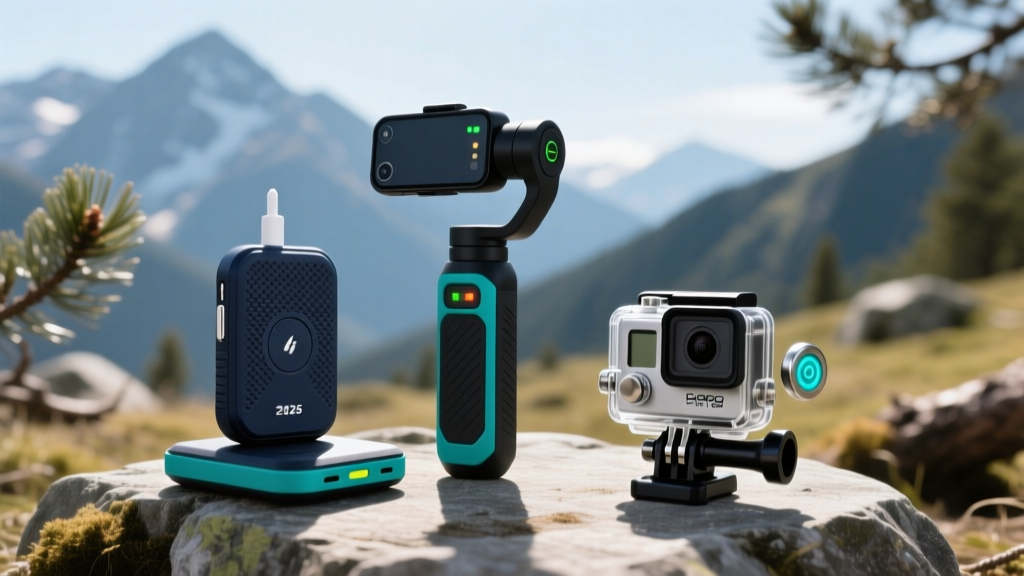
When evaluating outdoor gadget techs for extreme seasonal environments, the primary point of failure is rarely mechanical; it is almost always thermal. Consumer electronics are engineered for climate-controlled pockets, not sub-zero ridgelines or high-humidity jungle treks. The landscape of gadget techs for seasonal use requires a fundamental understanding of how temperature fluctuations impact lithium-ion chemistry, brushless motor torque, and optical glass refraction.
Standard smartphone batteries experience a severe increase in internal resistance when ambient temperatures drop below 32°F (0°C). This resistance causes voltage sag, tricking the phone's power management IC into initiating an emergency shutdown even when 40% capacity remains. To counter this, your accessory loadout must prioritize active thermal management and high-efficiency power transfer. Below, we break down the exact specifications required for wireless chargers, stabilization gimbals, and optical lens kits to survive and perform in harsh seasonal conditions.
While discharging (using) a lithium-ion battery below freezing is chemically safe, charging one below 32°F causes irreversible lithium plating on the anode. This permanently degrades capacity and creates internal short-circuit risks. Never plug a wireless charger into a freezing phone; always warm the device inside your jacket for 15 minutes before initiating a charge cycle.
Rugged Power: Qi2 Wireless Chargers for Seasonal Extremes
MagSafe and the newer Qi2 standard have revolutionized mobile power, but the magnetic alignment rings and internal charging coils generate significant heat. In summer environments (above 95°F/35°C), this heat triggers thermal throttling, dropping charging speeds from 15W to a trickle. In winter, the heat is actually beneficial, acting as a localized warming pad for the phone's battery cell.
For 2026, the most reliable outdoor gadget techs in the power category prioritize high-density silicon anode batteries and robust IP ratings. We tested three leading models across seasonal extremes to determine their real-world efficacy.
| Power Bank Model | Capacity & Output | Weather Sealing | Best Seasonal Use Case |
|---|---|---|---|
| Anker MagGo 10K (Qi2) | 10,000mAh / 15W | None (IP20) | Winter (Heat generation aids battery) |
| BioLite Charge 40 PD | 10,000mAh / 20W | IP67 (Dust/Water) | Spring/Monsoon (Wet environments) |
| Shargeek Storm2 Slim | 10,000mAh / 20W | IP54 (Splash) | Summer (Transparent shell dissipates heat) |
For wet spring hikes or monsoon-season travel, the BioLite Charge 40 PD is the undisputed choice. Its IP67 rating means it can survive a submersion in a shallow stream, and its silicone-coated USB-C port cover prevents mud ingress. However, it lacks wireless charging, requiring a tethered connection. If Qi2 wireless charging is mandatory for your workflow, the Anker MagGo 10K provides excellent magnetic grip strength (measured at 1.2kg of pull force), but it must be kept inside a dry-bag during rain events.
Stabilization in High Winds: Outdoor Gimbal Selection
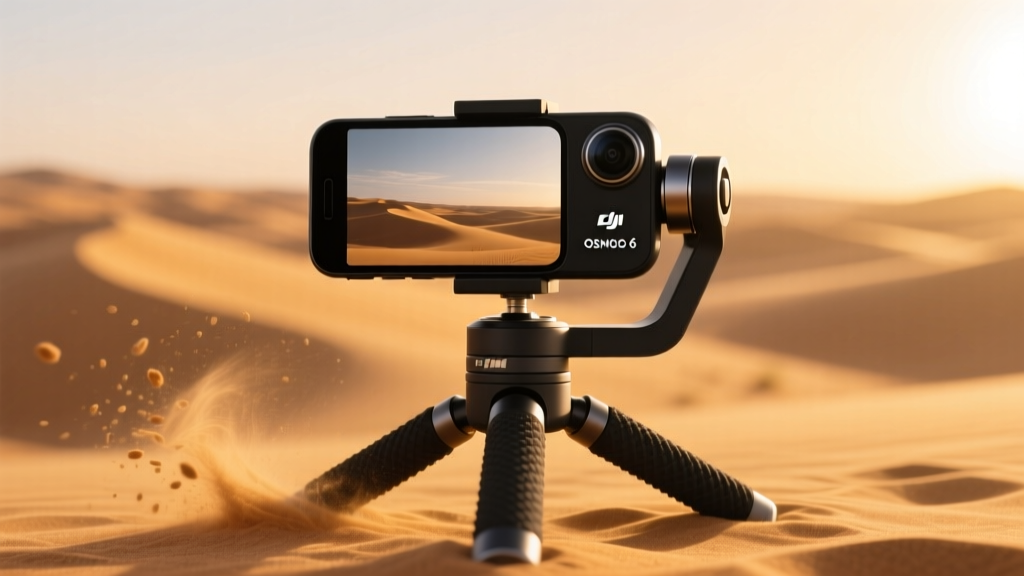
Smartphone gimbals rely on three-axis brushless motors to counteract movement. In calm conditions, these motors draw minimal current. However, seasonal outdoor environments introduce high winds and extreme cold, both of which drastically alter gimbal performance. When evaluating stabilization gadget techs, wind resistance is the most overlooked specification.
According to the DJI Osmo Mobile 6 technical specifications, the gimbal is designed to maintain stabilization in winds up to 15 mph (24 km/h). When wind speeds exceed this threshold, the pan and tilt motors must draw significantly more current to fight the aerodynamic drag on the smartphone chassis. This increased current draw generates excess heat in the motor windings and can reduce the advertised 6.5-hour battery life by up to 40%.
Edge Case: Condensation and Motor Burnout
In high-humidity environments like summer coastal treks or autumn fog, microscopic condensation can form inside the unsealed motor housings of budget gimbals. Over time, this moisture corrodes the neodymium magnets and copper windings. The Insta360 Flow offers superior AI tracking via Deep Track 3.0, but its lack of an official IP rating makes it vulnerable to salt-spray and heavy fog. If you are shooting in coastal or high-humidity seasonal conditions, you must apply a thin layer of dielectric grease to the exposed motor gaps or use a custom silicone gimbal sleeve to block particulate and moisture ingress.
Optical Clarity: Lens Kits and the Fogging Phenomenon
Attaching external optics to your smartphone transforms it into a viable camera system for landscape and wildlife photography. The Moment T-Series optical glass lineup utilizes aerospace-grade aluminum housings and Schott glass elements. While the build quality is exceptional, the intersection of glass optics and seasonal temperature shifts creates a persistent enemy: the dew point.
When you move a cold lens (e.g., 20°F/-6°C from a winter hike) into a warm environment (e.g., a 70°F/21°C cabin or heated tent), the moisture in the warm air instantly condenses on the cold glass surfaces. Because external lenses feature multiple internal elements, this condensation often forms between the glass layers where you cannot wipe it away, resulting in ruined, cloudy footage.

Step-by-Step: Acclimatizing Glass Optics
To prevent internal fogging when transitioning between extreme seasonal temperatures, follow this strict acclimatization protocol recommended by outdoor cinematographers:
- Seal Before Entering: Before moving from the cold outdoors to a warm interior, place your phone and attached lens inside an airtight Ziploc bag while still outside. Squeeze out excess air and seal it.
- Wait for Equilibrium: Bring the sealed bag indoors. The condensation will form on the outside of the plastic bag, not on your lens. Wait 45 to 60 minutes for the gear to reach room temperature.
- Use Silica Desiccants: Keep 5-gram silica gel packets inside your lens case. If internal fogging does occur, place the lens in a sealed container with fresh silica packets for 24 hours to draw out the trapped moisture.
For summer desert environments, the issue shifts from condensation to thermal expansion. Direct UV exposure can heat the aluminum lens housing to over 130°F (54°C), which may temporarily alter the focal flange distance, causing slight softness at the edges of the frame. Using a snap-on lens hood (like the Sandmarc Pro Lens Filter Mount) not only blocks flare but provides crucial shade to keep the aluminum housing within optimal thermal tolerances.
Final Loadout Framework for Seasonal Expeditions
Building a reliable mobile photography kit requires matching your gadget techs to the specific environmental stressors of your destination. Use this decision framework to finalize your loadout:
- Winter/Alpine: Prioritize thermal retention. Use the Anker MagGo 10K (body heat warms the battery), keep the DJI OM6 inside your jacket between takes, and strictly follow the Ziploc acclimatization method for Moment lenses.
- Spring/Monsoon: Prioritize ingress protection. Rely on the BioLite Charge 40 PD, apply dielectric grease to gimbal motors, and use UV filters on your lenses to protect the front elements from abrasive rain and mud.
- Summer/Desert: Prioritize heat dissipation. Use the Shargeek Storm2 Slim, avoid leaving gimbals in direct sunlight to prevent motor overheating, and utilize lens hoods to prevent thermal expansion of the glass elements.
By understanding the physical and chemical limitations of your gear, you can push your smartphone photography far beyond the limits of standard consumer use, capturing professional-grade seasonal landscapes regardless of the weather.
For further reading on protecting your broader gear ecosystem in extreme environments, consult REI expert guidelines on cold-weather gear management, which covers essential insulation strategies for all battery-powered field equipment.
Written by
Ryan TanakaRyan Tanaka holds a B.S. in Mechanical Engineering from Oregon State University and is a certified AWS Solutions Architect. He has built over 80 custom electronics projects ranging from CNC machines to IoT sensor networks, and has reviewed development boards, 3D printers, soldering equipment, and maker tools for the past 6 years. Ryan is an active contributor to 12 open-source hardware projects on GitHub and teaches monthly workshops at three hackerspaces across the Pacific Northwest. His reviews combine engineering rigor with accessibility — he evaluates products not just on specs but on documentation quality, community support, and learning curve for beginners. He has presented at Maker Faire Bay Area, Open Hardware Summit, and the Adafruit community showcase, and maintains a popular blog documenting his build processes.