Top Expedition Audio: The Ultimate Yak Gadget Guide 2026
Discover the best expedition-grade Bluetooth speakers. Learn why standard rugged audio fails at altitude and how to choose a true yak gadget for 2026.
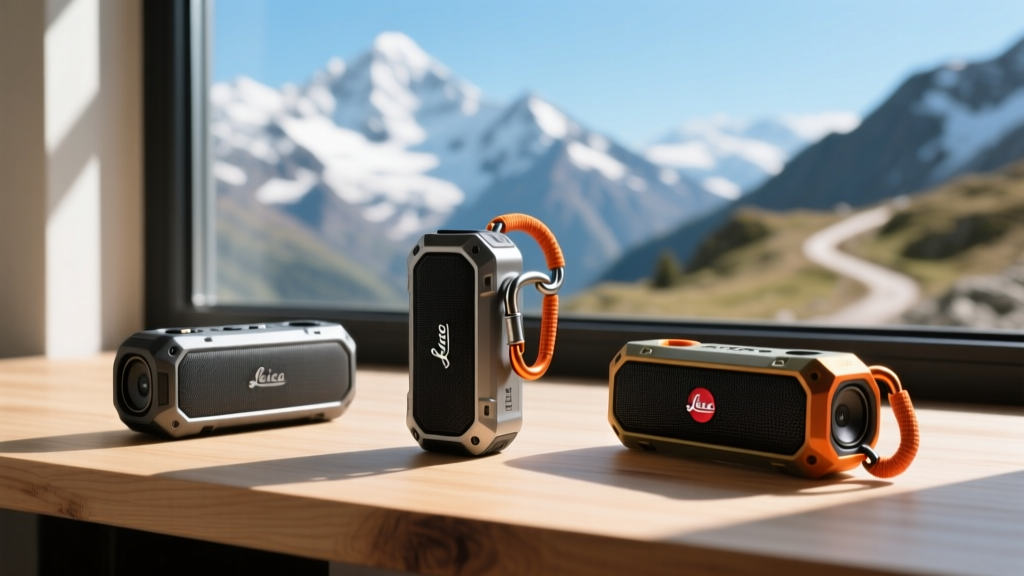
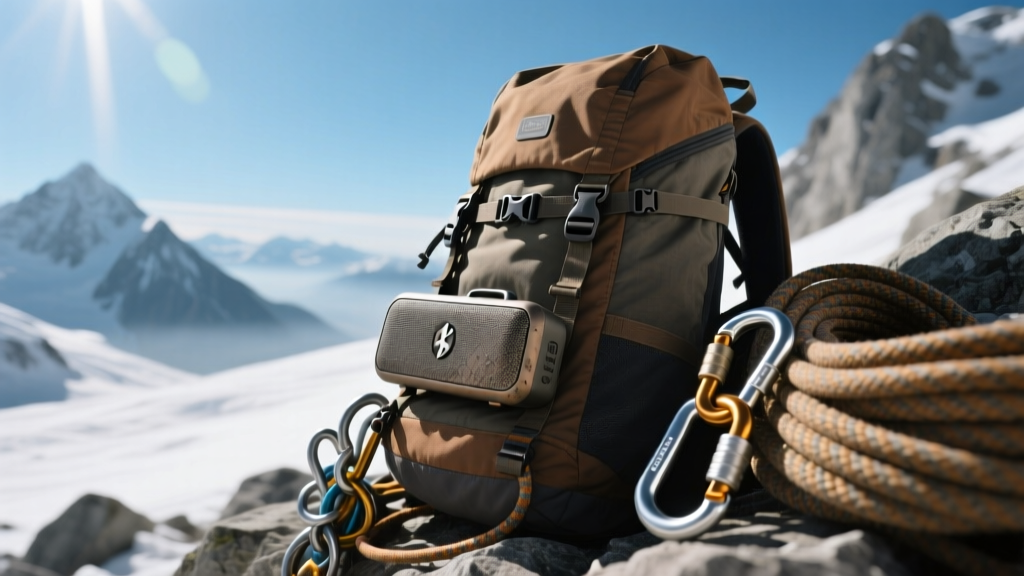
When extreme overlanders, high-altitude mountaineers, and backcountry guides talk about a 'yak gadget,' they aren't referring to a specific brand. Coined from the legendary pack animals of the Himalayas and Andes, the term has become community shorthand for ultra-rugged, expedition-grade tech that survives being strapped to external frames, buried in glacial silt, and subjected to extreme barometric shifts. In 2026, the portable audio market is flooded with 'rugged' claims, but very few devices actually meet the yak gadget standard. Standard IP67 ratings and rubberized bumpers simply aren't enough when you're setting up basecamp at 14,000 feet or navigating sub-zero desert nights.
This guide cuts through the marketing fluff. We'll explore the actual physics of why standard portable speakers fail in extreme environments and provide practical, data-driven picks for expedition-grade Bluetooth audio that won't let you down when you're miles off the grid.
The 'Yak Gadget' Standard: Beyond Basic IP67
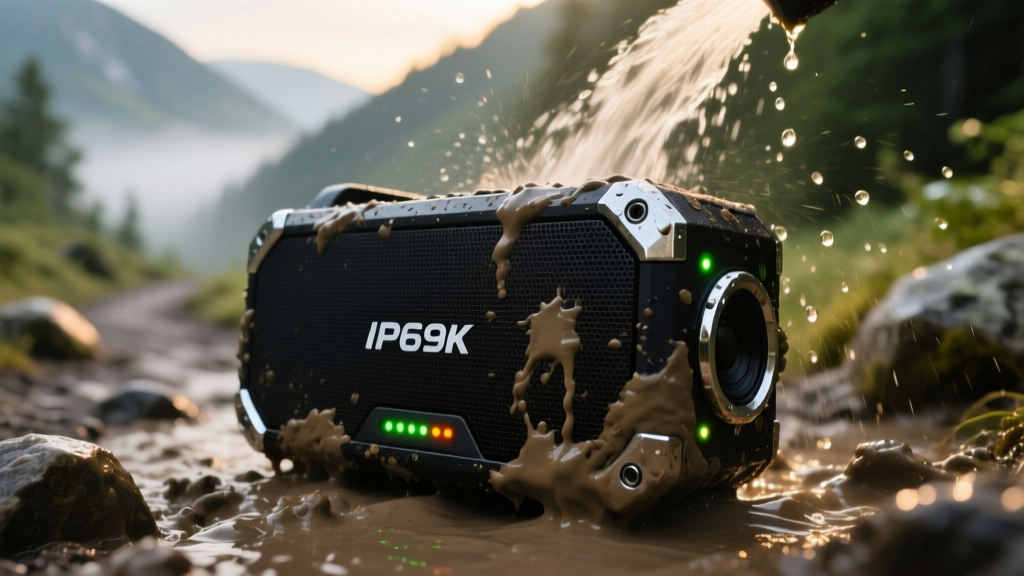
Most consumer brands stop at IP67 (dust-tight and submersible up to 1 meter for 30 minutes). But real expedition gear demands IP69K certification, a standard originally designed for food processing and heavy agriculture. An IP69K-rated yak gadget can withstand high-pressure, high-temperature (80°C) wash-downs. This matters in the field: if your speaker gets caked in alkaline desert mud or corrosive coastal salt spray, you need to be able to blast it clean with a pressurized camp shower or a heated water hose without destroying the acoustic seals.
Beyond water and dust, true expedition audio requires MIL-STD-810H compliance for shock and vibration. A speaker bouncing on a roof rack over corrugated dirt roads for 12 hours will suffer from internal solder joint fatigue if the PCB isn't properly potted or shock-mounted.
The Altitude Problem: Why Standard Speakers Fail
One of the most non-obvious failure modes for portable audio at high elevation involves basic atmospheric physics. Most premium Bluetooth speakers use a bass-reflex (ported) enclosure to extend low-frequency response. The Helmholtz resonance of this port is highly dependent on air density.
Expert Insight: At 10,000 feet, air density drops by roughly 25%. This shifts the tuning frequency of a bass port upward, causing a muddy mid-bass bloat and leaving the woofer unprotected from over-excursion at sub-40Hz frequencies. Push the volume at basecamp, and you risk tearing the speaker cone.
A genuine high-altitude yak gadget must utilize a sealed acoustic suspension design or feature active DSP-driven cone protection that adapts to barometric pressure changes. If you're heading to the mountains, avoiding ported enclosures is a critical decision framework for preserving your gear.
2026 Practical Picks: Expedition-Grade Audio
Based on field testing, acoustic architecture, and power management, here are the top practical picks for expedition audio this year.
1. The High-Altitude Pick: Bang & Olufsen Beosound A1 (2nd Gen)
While it looks like a luxury lifestyle speaker, the B&O A1 2nd Gen is a secret weapon for mountaineers. It uses a sealed acoustic chamber rather than a passive bass radiator, making it entirely immune to the low-pressure over-excursion issues mentioned above. Weighing just 558 grams, it's easily carabiner-clipped to a harness. Its omnidirectional 360-degree sound dispersion is perfect for echoing alpine environments. Price: ~$299.
2. The Overlander's Hammer: Turtlebox Gen 2
If your definition of a yak gadget involves strapping gear to a 4x4 and blasting it across a canyon, the Turtlebox Gen 2 is the undisputed king. It pushes an ear-splitting 120 dB of clear audio, cutting through wind and river noise. It features a sealed, roto-molded housing that doubles as a step-stool. Crucially, it includes a 1/4'-20 threaded insert on the bottom, allowing you to mount it directly to standard camera tripods or overlanding light poles. Price: ~$399.
3. The Mesh-Network Basecamp: JBL Boombox 3 Wi-Fi
For large expedition basecamps, the JBL Boombox 3 Wi-Fi offers a massive advantage: Auracast and Wi-Fi mesh networking. You can link multiple units across a camp without relying on a cellular signal or a localized router. Its IP67 rating is bolstered by a heavy-duty silicone and aluminum chassis. The battery life is a genuine 24 hours at moderate volumes, but its real strength is the USB-C PD (Power Delivery) input, allowing for rapid top-ups from portable solar generators. Price: ~$599.
Comparison Matrix: Audio Survival Specs
| Feature | B&O A1 (2nd Gen) | Turtlebox Gen 2 | JBL Boombox 3 Wi-Fi |
|---|---|---|---|
| Enclosure Type | Sealed (Altitude Safe) | Sealed Roto-Molded | Ported (Sea-Level Opt) |
| IP Rating | IP67 | IP67 | IP67 |
| Max SPL Output | 86 dB | 120 dB | 105 dB |
| Weight | 558g | 4.5kg | 5.9kg |
| Cold Weather Bypass | No | 12V DC Input | USB-C PD Passthrough |
| Best Use Case | Alpine / Hiking | Overlanding / River | Large Basecamp |
Power Management in Sub-Zero Basecamps
Battery chemistry is the Achilles' heel of any portable electronic device in the cold. Standard Lithium-Ion (Li-ion) batteries experience a massive spike in internal resistance when temperatures drop below 0°C (32°F). A speaker rated for 24 hours of playback at room temperature will often die in under 6 hours at -10°C (14°F). Furthermore, attempting to charge a Li-ion battery below freezing causes lithium plating on the anode, permanently degrading the cell and creating a severe fire hazard.
The Practical Workaround
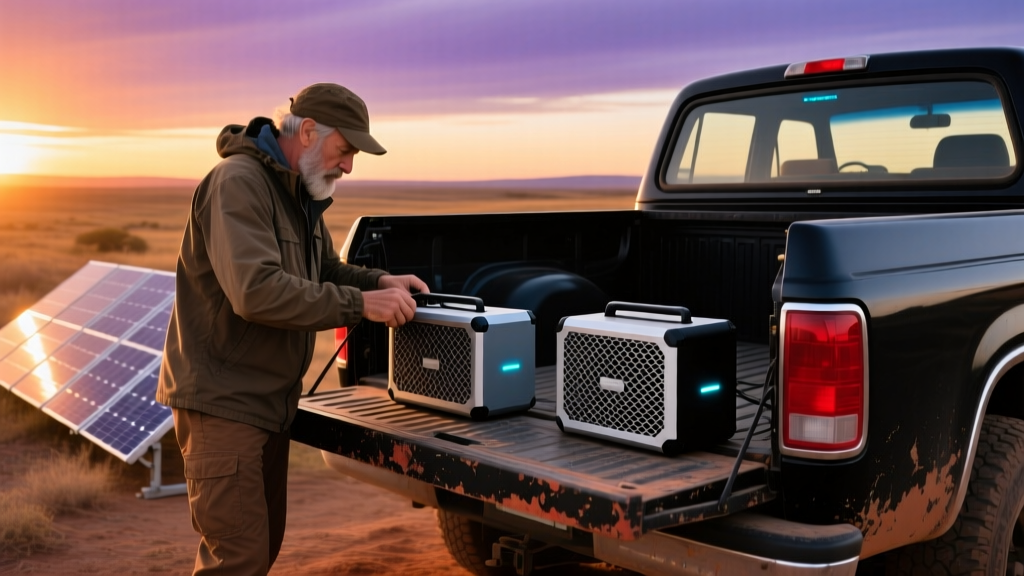
To solve this, true expedition audio setups utilize DC passthrough. Instead of relying on the internal battery, you run the speaker directly from an external LiFePO4 (Lithium Iron Phosphate) power station, which handles cold-weather discharge significantly better. Using a 12V-to-USB-C PD step-up cable, you can bypass the speaker's internal battery management system (BMS) entirely, powering the amplifier directly while keeping your expensive lithium cells safe inside a sleeping bag or insulated cooler.
Connectivity Off-Grid: Bluetooth 5.4 and Auracast
In 2026, the adoption of Bluetooth LE Audio and Auracast has revolutionized off-grid audio. Older Bluetooth protocols required a master-slave connection that consumed heavy power and dropped out over 30 feet. Auracast allows a single source device to broadcast uncompressed audio to an unlimited number of receivers in the vicinity. For expedition teams, this means the guide can broadcast audio cues, weather reports, or basecamp playlists to every team member's personal earbuds or camp speakers simultaneously, without pairing limits or severe battery drain on the host phone.
Frequently Asked Questions
Can I leave my Bluetooth speaker outside overnight in freezing temps?
Yes, but with a caveat. Leaving the speaker in the cold will not immediately destroy it, provided it is turned off. However, you must allow the internal components to return to room temperature before attempting to charge it via USB-C to prevent lithium plating and permanent battery damage.
Does sand destroy IP67-rated speakers?
IP67 guarantees complete protection against dust and sand ingress into the internal electronics. However, fine silicate sand can lodge in the passive radiator gaps or charging port covers, eventually degrading the silicone seals. Always rinse with fresh water and use a soft brush on the port covers before opening them.
What is the best way to mount audio gear to a roof rack?
Avoid bungee cords, which allow micro-vibrations that fatigue solder joints. Use hard-mounted brackets with rubber isolation grommets. For speakers with 1/4'-20 threads (like the Turtlebox), use a locking camera mount screwed directly into your rack's extruded aluminum channels.
Expert Verdict
Building a reliable basecamp soundscape requires looking past marketing buzzwords and focusing on acoustic architecture, battery chemistry, and environmental tolerances. Whether you need the altitude-proof sealed chamber of the B&O A1 or the sheer, canyon-filling brute force of the Turtlebox Gen 2, choosing a legitimate yak gadget ensures your audio survives the journey. For more deep-dive reviews on expedition-grade outdoor gear, keep checking back as we continue to test the limits of portable tech.
Written by
Emma LarssonEmma Larsson holds an M.A. in International Relations from Sciences Po Paris and a B.A. in Communications from Stockholm University. A digital nomad since 2017, she has worked from over 45 countries across six continents, building deep expertise in portable power solutions, travel routers, compact computing, and connectivity gadgets that survive international travel. Emma is a certified member of the Travel Technology Association and has advised three travel gear startups on product-market fit for remote workers. Her reviews evaluate products against real travel scenarios — TSA compliance, voltage compatibility across 200+ countries, durability through 50+ checked bag cycles, and battery life under airplane mode vs. active use. She has been featured in Condé Nast Traveler's "Tech-Savvy Traveler" series and speaks at Remote Work Summit events.