Handiest Kitchen Gadgets: 2026 Silicone & Non-Stick Trends
Discover why silicone bakeware and advanced non-stick tools are the handiest kitchen gadgets in 2026. Explore material trends and buying tips.
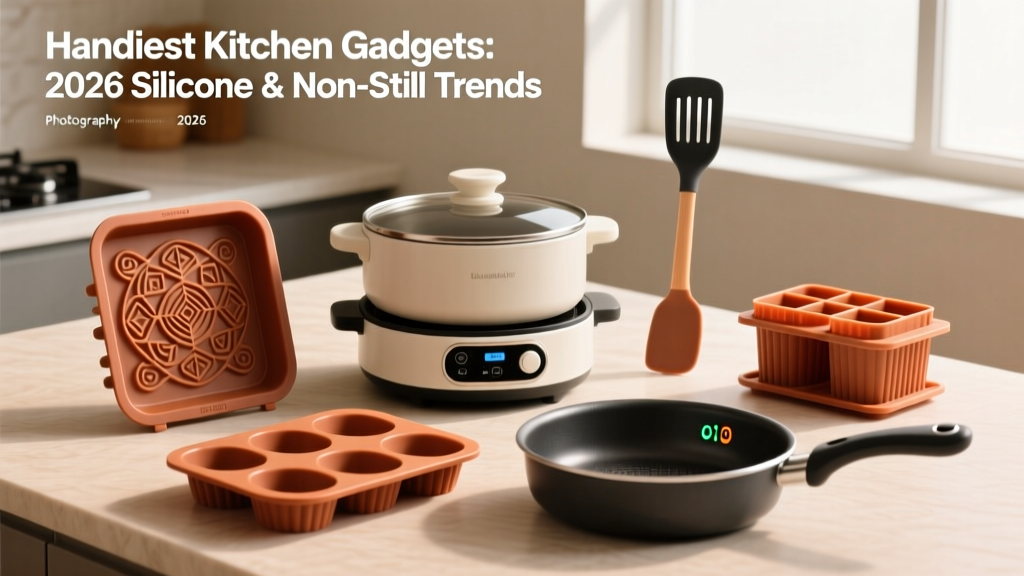
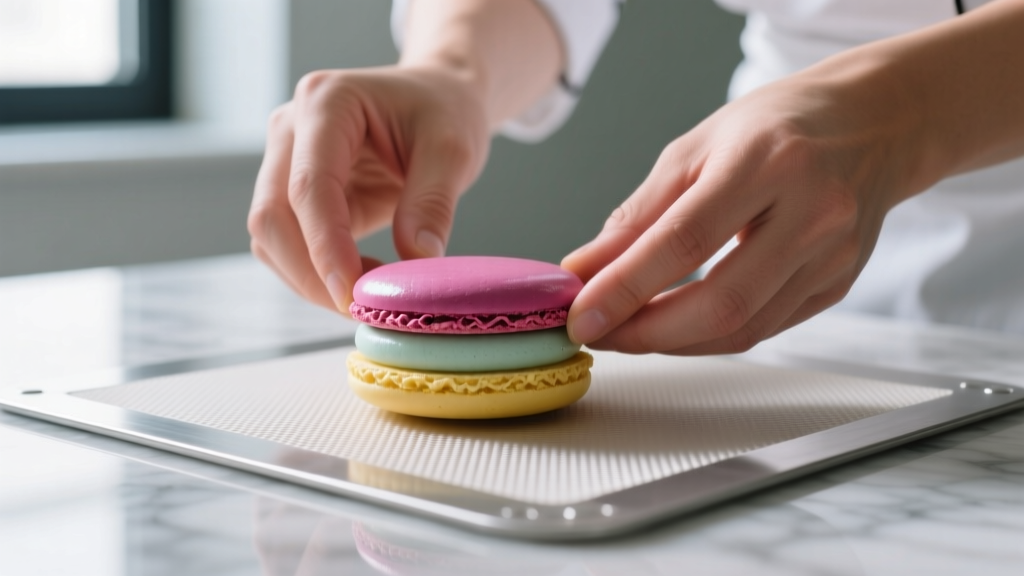
When evaluating the handiest kitchen gadgets for modern culinary routines, few categories have undergone as radical a transformation as silicone bakeware and non-stick cookware. As we navigate 2026, the era of cheap, easily degraded non-stick coatings and mystery-grade silicone is over. Driven by stringent environmental regulations and advances in polymer science, today's market demands tools that offer effortless food release without compromising health or longevity. Whether you are outfitting a professional prep station or upgrading a home kitchen, understanding the material science behind these tools is essential for making smart, long-lasting investments.
The Material Revolution in Non-Stick and Silicone
The landscape of non-stick technology has been fundamentally reshaped by recent global regulatory shifts. The phased elimination of per- and polyfluoroalkyl substances (PFAS) in consumer goods has forced manufacturers to innovate rapidly. According to the Environmental Protection Agency (EPA), the heightened scrutiny on "forever chemicals" has accelerated the transition toward advanced ceramic sol-gel coatings and laser-etched hybrid surfaces. Concurrently, silicone bakeware has evolved from a novelty item into a foundational kitchen staple, provided it meets rigorous European LFGB (Lebensmittel- und Futtermittelgesetzbuch) standards rather than just basic domestic requirements.
Why Silicone Bakeware Dominates the Handiest Kitchen Gadgets Lists
Silicone is a synthetic polymer made of siloxane, prized for its thermal stability, flexibility, and inherent non-stick properties. However, not all silicone is created equal. The disparity between high-end bakeware and budget alternatives lies entirely in the curing process and the presence of chemical fillers.
Platinum-Cured vs. Peroxide-Cured: The Chemistry
Premium silicone bakeware, such as the Silpat Premium Non-Stick Silicone Baking Mat ($25–$32), utilizes a platinum-catalyzed addition curing process. This method yields a completely inert, odorless, and highly stable material that withstands temperatures up to 480°F (250°C) without off-gassing. In contrast, cheaper peroxide-cured silicone often leaves behind residual byproducts that can emit a faint chemical odor when heated above 350°F (175°C) and degrades faster under UV exposure and repeated dishwasher cycles.
The Pinch Test and LFGB Certification
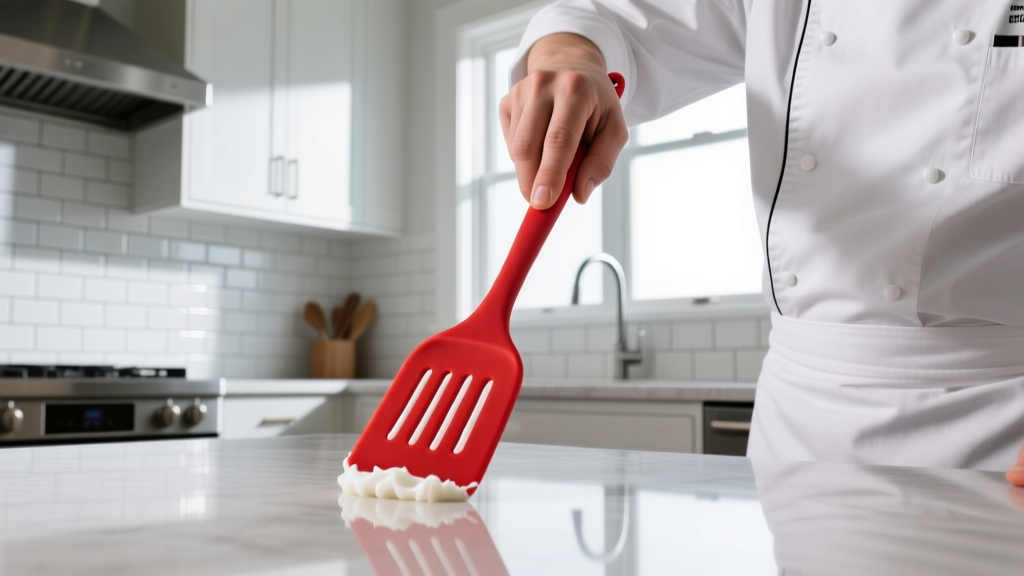
The U.S. Food and Drug Administration (FDA) sets baseline standards for food-contact silicone, but these regulations permit the use of certain silica fillers. To ensure you are purchasing 100% pure silicone, perform the "pinch test": twist and pinch a thick section of the silicone tool. If a white streak appears, the product contains plastic fillers that reduce thermal limits and structural integrity. For guaranteed purity, look for LFGB certification, which mandates rigorous testing for heavy metals and volatile organic compounds (VOCs) that surpasses standard FDA requirements.
The 2026 Non-Stick Landscape: PTFE, Ceramic, and Hybrid Matrices
While silicone excels in bakeware and utensils, stovetop non-stick tools require different material solutions. The historical dominance of traditional PTFE (polytetrafluoroethylene) has fractured into three distinct categories, each with specific use cases, lifespans, and price points.
| Coating Type | Base Material | Max Safe Temp | Average Lifespan | 2026 Price Range |
|---|---|---|---|---|
| Traditional PTFE (PFAS-free formulations) | Aluminum / Hard-Anodized | 500°F (260°C) | 2–4 Years | $30 – $80 |
| Sol-Gel Ceramic | Aluminum / Stainless | 800°F (425°C) | 1–2 Years | $40 – $120 |
| Laser-Etched Hybrid | Tri-Ply Stainless Steel | 500°F (260°C) | 5–10 Years | $130 – $250 |
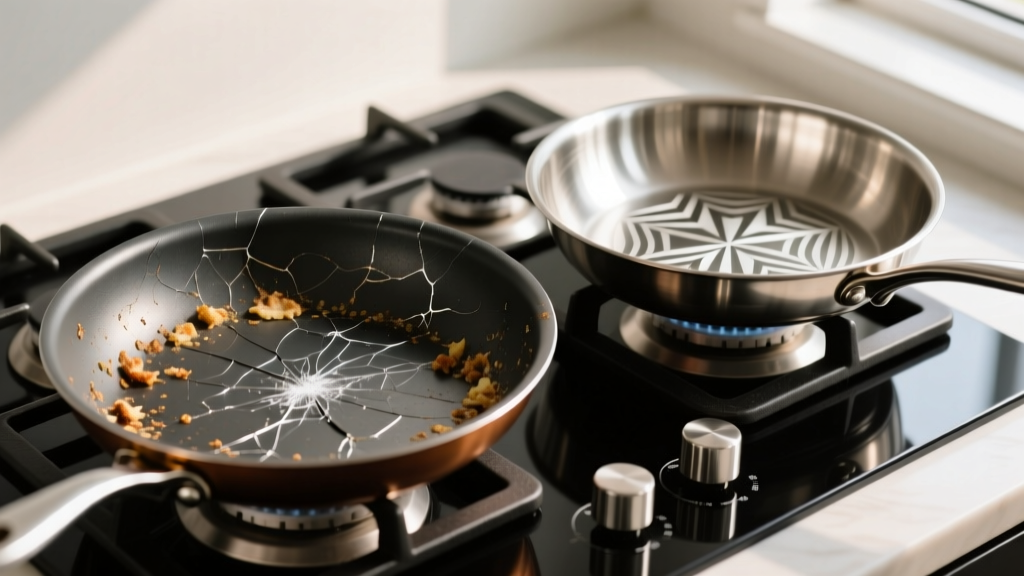
Ceramic non-stick coatings, derived from a silica-based sol-gel process, offer exceptional initial food release and high-heat tolerance. However, their microscopic porous structure tends to absorb cooking oils over time, leading to a noticeable decline in non-stick performance after 12 to 18 months of daily use. Hybrid pans, which utilize a laser-etched stainless steel honeycomb pattern to protect recessed non-stick valleys, solve the durability issue. They allow for the use of metal utensils and aggressive deglazing, making them incredibly versatile, albeit heavier and significantly more expensive.
Future Outlook: What is Next for Non-Stick Tech?
Looking toward the late 2020s, material scientists are focusing on bio-based polymers and graphene-infused coatings. Graphene, known for its immense tensile strength and thermal conductivity, is currently being tested in micro-layers to reinforce ceramic matrices, potentially solving the rapid degradation issue that plagues current sol-gel pans. Furthermore, advancements in surface topography—mimicking the microscopic structures of lotus leaves (the "lotus effect")—are paving the way for physical non-stick surfaces that rely on geometry rather than chemical coatings.
Actionable Buying Framework for 2026
To build a highly functional, durable kitchen setup, avoid buying matching sets. Instead, purchase specialized tools based on the specific thermal and mechanical demands of your cooking techniques.
- For Delicate Baking and Pastry: Invest in LFGB-certified, platinum-cured silicone mats and molds. Brands like Silpat and Trudeau offer structural fiberglass mesh cores that prevent warping and ensure even heat distribution. Budget: $20–$45 per piece.
- For Everyday Eggs and Fish: A high-quality, hard-anodized aluminum pan with a modern, PFAS-free PTFE coating is unbeatable for sheer slipperiness. Treat it as a consumable item and expect to replace it every 3 years. Budget: $40–$70.
- For High-Heat Searing and Deglazing: Skip ceramic and opt for a laser-etched hybrid skillet (e.g., HexClad or Tramontina's hybrid lines). The raised stainless steel peaks allow for proper Maillard browning while the recessed non-stick valleys prevent delicate proteins from tearing. Budget: $150–$200.
- For Utensils and Prep Tools: Equip your kitchen with 100% pure silicone spatulas and spoons (verified via the pinch test) rated to at least 480°F. Avoid wooden utensils in non-stick pans if they have developed splinters, as they can micro-scratch the coating over time.
By prioritizing material integrity over marketing buzzwords, you ensure that the handiest kitchen gadgets in your arsenal remain safe, effective, and reliable for years to come.
Written by
Lena ChenLena Chen earned her M.S. in Human-Computer Interaction from Carnegie Mellon University and a B.S. in Electrical Engineering from the University of Washington. She has spent the past decade specializing in smart home architecture and IoT ecosystems, helping over 200 homeowners design fully connected living spaces. Lena is a certified Matter protocol consultant and has published peer-reviewed research on voice-first interface design in the ACM Digital Library. Her reviews of smart home products combine deep technical analysis with real-world usability testing, evaluating everything from Zigbee mesh stability to Alexa skill responsiveness. She regularly speaks at CEDIA Expo and CES smart home panels.